

The perfect ramen egg, or ajitsuke tamago, is a delightful addition to any bowl of homemade ramen.
These soft-boiled eggs, marinated in a savory soy sauce mixture, offer a burst of flavor that complements the rich broth beautifully.
I first encountered this culinary gem during a visit to Japan, where it became a staple in my ramen experience.
Crafting these flavorful eggs at home is not only rewarding but elevates your ramen to a whole new level of authenticity and enjoyment.
The History and Cultural Significance
• Ramen Egg Recipe for Your Homemade Ramen traces its origins to Japan, where it was originally created as a way to enhance the flavor of ramen dishes.
• The dish evolved over decades as regional variations of ramen emerged, with different marinades and cooking techniques being adopted.
• In Japan, this dish traditionally appears at special occasions such as family gatherings and celebrations, symbolizing prosperity and good fortune.
• While many variations exist across different regions, the authentic version maintains a perfectly silky texture and a rich, umami flavor that sets it apart from imitations.
Recommended Products

Premium Nontoxic Heat Resistant - 100% bpa Free, no BPF and made of durable Food-Safe and Non-toxic Polyresin. The egg timer complies with the most rigorous safety standards and completely safe for kids and adults.

Say goodbye to the worst time making hard/soft boiled eggs! Our creative egg timer for boiling eggs calculates cooking stages precisely by temperature to help you boil an ideal hard/soft boiled egg.

Say goodbye to the worst time making hard/soft boiled eggs! Our creative egg timer for boiling eggs calculates cooking stages precisely by temperature to help you boil an ideal hard/soft boiled egg.


Recipe Overview
Recommended Products

Soy-perior, Umami-rich Ramen: Savory Japanese-style instant ramen noodles in a soy-tisfyingly balanced soy sauce broth. A bold, slurp-worthy classic Eastern flavor that will satisfy your cravings any time of the day.

Soy Sauce Flavor

Umami Dashi Soy Sauce: Level up your dishes with high end, restaurant level Japanese flavors in under 5 minutes using our Japanese dashi sauce; this umami packed flavor bomb is the backbone of most Japanese dishes
Nutritional Information (per serving)
Recommended Products
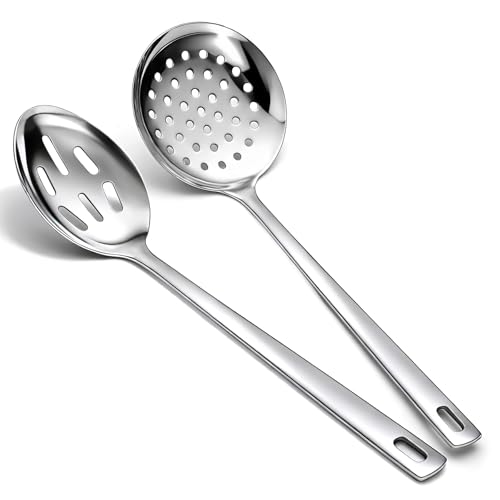
2-PIECE STRAINING SET: Includes 1 slotted spoon + 1 spider strainer skimmer ladle; perfect for draining pasta, veggies, dumplings, fries, tempura, and more in boiling water or hot oil.
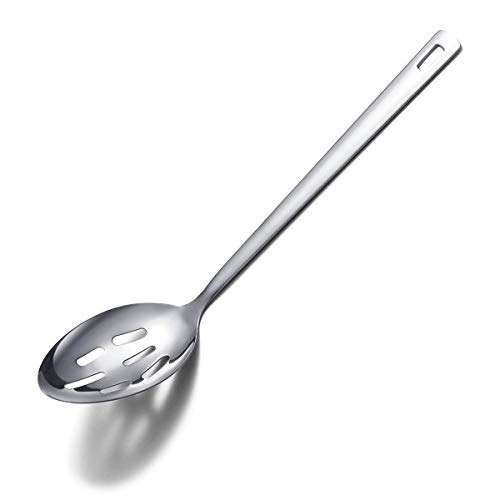
Classic Design: This classic design of slotted spoon will match all your metal kitchen utensils.

2-Piece Complete Set : Includes 1 slotted spoon and 1 kitchen skimmer (spider strainer), 13 inches each—everything you need for straining, scooping, skimming, and serving in the kitchen.


Ingredients
Recommended Products

EGG CARRIER: The Snapware Snap 'N Stack 2-layer carrier is perfect for transporting eggs and all manner of sweets with safety. Two holders can hold up to 24 eggs or treats, and the stackable trays keep food items separate and organized.

The egg storage box is made of food-grade PP material, no BPA, safe and environmentally friendly, sturdy and durable; can be stacked and stored, neat and beautiful, saving space, so that the refrigerator is organized, clean and easy to use.

【Size】32cm*18cm*6.8cm/12.6 inch*7.1 inch *2.7 inch.


Essential Equipment Guide
Medium Saucepan: This specific tool is important for boiling the eggs evenly and maintaining a consistent temperature throughout the cooking process. Look for a saucepan that has a heavy base to prevent hot spots.
Slotted Spoon: A slotted spoon is essential for safely removing the eggs from boiling water without breaking them. Ensure it has a wide surface area for better support.
Container for Marinating: Use a container that can hold the marinade and eggs without overcrowding. A zip-top bag or shallow dish works well to ensure the eggs are fully submerged.
Recommended Products

This egg timer will take the guess work out of boiling eggs! As the timer heats up, the red face changes color, indicating soft, medium, hard and stages in between, absorbing heat exactly as an egg does. The result is the perfect boiled egg!

Perfect Boiled Eggs: Iconikal egg timer 2-pack ensures perfect boiled eggs every time! Color changing egg timer shifts hues to show soft, medium, or hard-boiled stages. BPA free and easy to use, just place in water for flawless kitchen results.

Perfect Boiled Eggs: Iconikal egg timer 2-pack ensures perfect boiled eggs every time! Color changing egg timer shifts hues to show soft, medium, or hard-boiled stages. BPA free and easy to use, just place in water for flawless kitchen results.


Preparation Methods
Soft Boiling: Soft boiling is crucial for achieving the perfect creamy yolk. Bring a pot of water to a rapid boil, then lower the eggs gently to avoid cracking. Aim for a cooking time of exactly 6 minutes for that ideal runny center.
Marinating: Marinating the eggs enhances their flavor significantly. After boiling, quickly transfer them to an ice bath to stop the cooking process. Let the eggs marinate for at least 4 hours, but overnight yields the best results.
Peeling: Peeling the eggs can be tricky, especially when they are soft-boiled. Tap the eggs gently on a hard surface to create cracks, then roll them lightly to loosen the shell. Start peeling from the wider end where the air pocket is to make it easier.
Recommended Products

NEXT-LEVEL FLAVOR | Momofuku Soy Sauce from David Chang is steeped with kombu to unlock a deeper world of flavor than conventional soy sauce.

Authentic Japanese food at your home, Plant-based UMAMI

【Soy sauce is not just for Japanese food】Soy sauce enhances the flavor of various cuisines beyond Japanese dishes. Its addition at different stages of cooking enhances taste. Scientifically supported, traditional cooking methods are justified. Key effects include flavor enhancement and improving cooking techniques.


Step 1: Prepare the Marinade
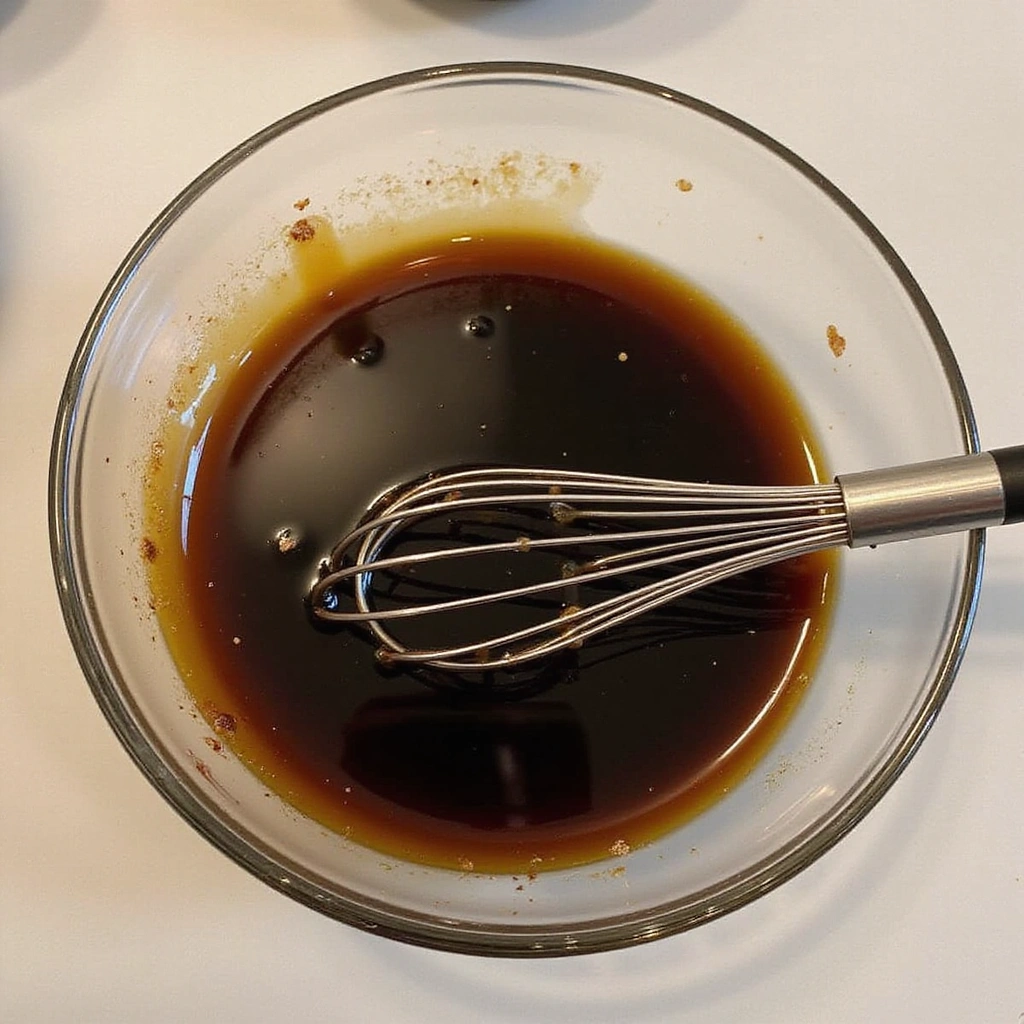
In a bowl, combine soy sauce, mirin, water, and sugar.
Whisk the ingredients together until the sugar is fully dissolved.
This mixture will create a flavorful marinade for the eggs.
Set the marinade aside while you prepare the eggs.
Recommended Products

DURABLE PREMIUM STAINLESS STEEL: Crafted from heavy-duty, food-grade stainless steel with a polished mirror finish. This rust-resistant draining spoon is sturdy, durable, and built to handle everyday cooking.

NON-SLIP HANDLE — Ergonomically shaped handle ensures a comfortable, secure grip whether you're flipping, stirring, scooping, or serving — a versatile Cooking Skimmer Spoon built to last in any kitchen.

4 serving spoons include:4 pieces of Slotted Serving spoons


Step 2: Boil the Eggs
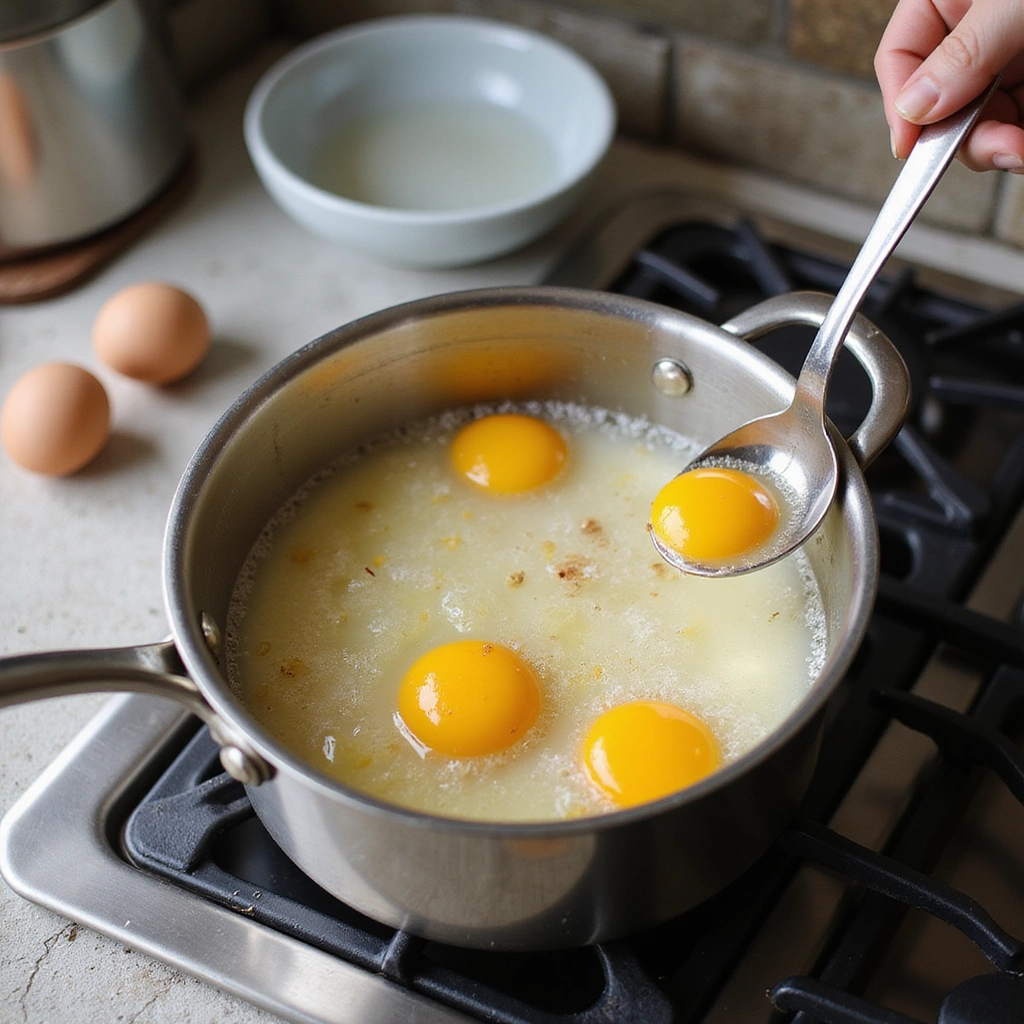
Fill a medium saucepan with water and bring it to a rapid boil.
Carefully lower the eggs into the boiling water using a slotted spoon.
Cook the eggs for exactly 6 minutes for a soft yolk.
Prepare an ice bath in a separate bowl while the eggs cook.
Recommended Products

🐣 BPA-Free Food Grade Plastic. YOHA Deviled Egg Tray is made of food grade PP material, harmless to health. Safe storage of foods like eggs and deviled eggs. Dishwasher NOT available.


Package Included: 2 X Outdoor Picnic Egg Storage Box
Step 3: Ice Bath

Once the 6 minutes are up, promptly remove the eggs from boiling water.
Transfer them immediately into the ice bath to stop cooking.
Let the eggs sit in the ice bath for 5-10 minutes.
This will help them cool down quickly and make peeling easier.
Recommended Products

INCREASED ACCURACY – with our accuracy markings you will never miss that perfect level of soft, medium or hard boiled egg. The NobleEgg egg timer that changes color when done will make your perfect boiled eggs every time in style

Say goodbye to the worst time making hard/soft boiled eggs! Our creative egg timer for boiling eggs calculates cooking stages precisely by temperature to help you boil an ideal hard/soft boiled egg.
SEVEN EGG CAPACITY: Cook up to 7 eggs in soft, medium, or hard-boiled firmness, while saving time and water. Eggs come out consistently perfect, shell is easy to peel, and cleanup is simple!


Step 4: Peel the Eggs
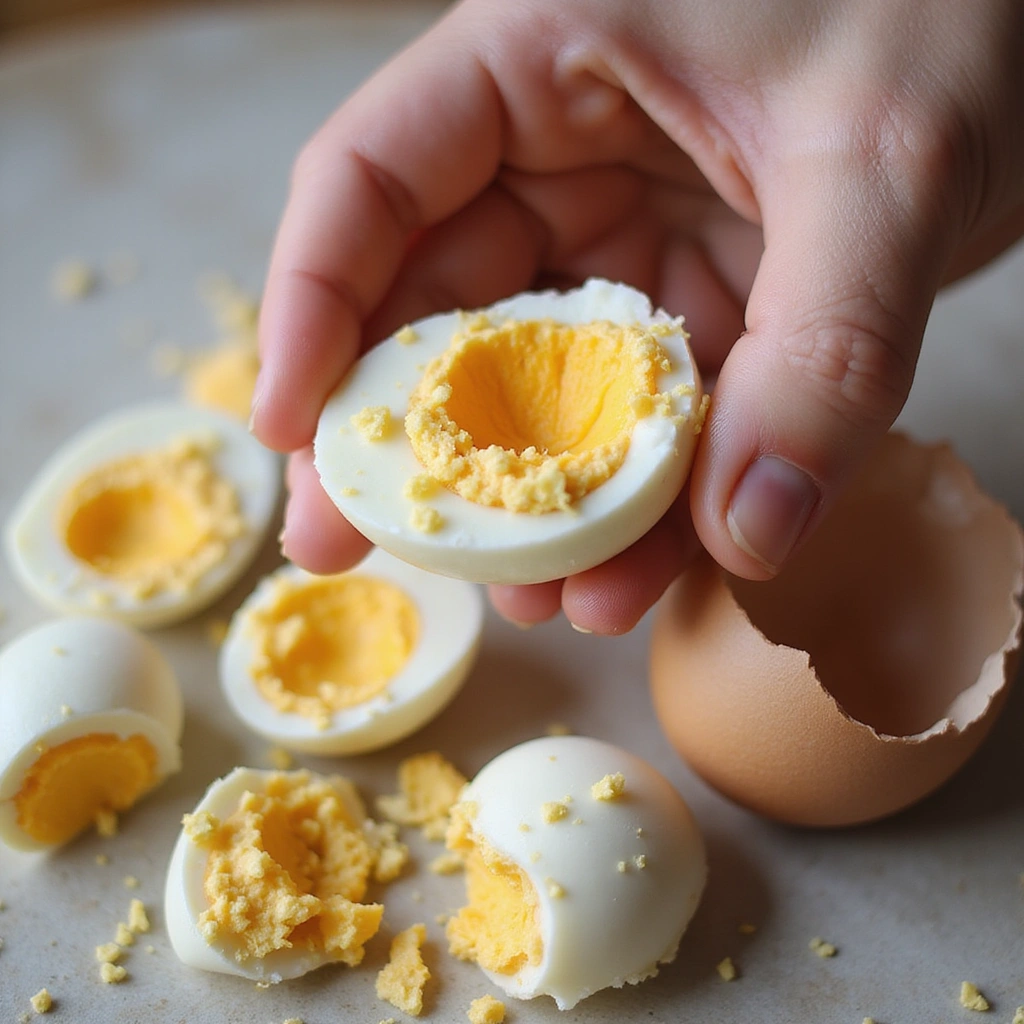
Gently tap each egg on a hard surface to crack the shell.
Roll the egg lightly to loosen the shell further before peeling.
Start peeling from the wider end where the air pocket is located.
Be careful not to break the egg white while peeling.
Recommended Products

SEMPIO SOY SAUCE FOR EGG DISHES – From our line of seasoning soy sauces, our specially crafted egg soy sauce is designed to enhance fried eggs, scrambled eggs, and rice & eggs with balanced savory umami and gentle sweetness. A simple way to elevate everyday egg dishes.

𝐈𝐍𝐒𝐓𝐀𝐍𝐓 𝐆𝐎𝐔𝐑𝐌𝐄𝐓 𝐑𝐈𝐂𝐄 𝐁𝐎𝐖𝐋 (𝐍𝐎 𝐄𝐆𝐆 𝐍𝐄𝐄𝐃𝐄𝐃) – Craving the rich, creamy comfort of a Japanese Tamago Kake Gohan (TKG) but worried about raw egg mess? Our innovative "Paki-tto" snap packets solve this problem. Each dual-chamber packet holds a perfect blend of savory dashi soy sauce and a rich yolk-style sauce, fulfilling your desire for an authentic Japanese breakfast in seconds—no fresh eggs required.
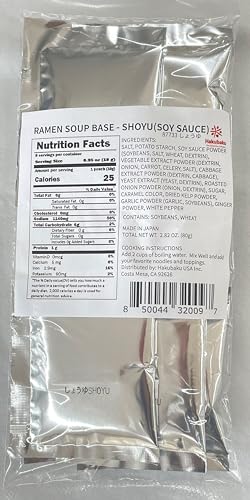
Ramen Soup Base: Shoyu (Soy Sauce) flavor. Shoyu is one of the oldest recipes in the ramen tradition and a hearty flavor versus other varieties. Every single pack contains umami (savory) shoyu flavor.


Step 5: Marinate the Eggs

Place the peeled eggs into the prepared marinade container.
Ensure the eggs are fully submerged in the marinade.
Seal the container or zip the bag tightly.
Let the eggs marinate in the refrigerator for at least 4 hours, or overnight for the best flavor.
Step 6: Serve the Eggs

Once marinated, remove the eggs from the marinade.
Cut each egg in half to reveal the beautiful yolk.
Place the marinated eggs on top of your homemade ramen.
Garnish with freshly chopped green onions for a pop of color.
Step 7: Enjoy!

Savor the delicious flavors of your homemade ramen topped with perfect ramen eggs.
The rich yolk and savory marinade will add depth to each bite.
Share your creation with friends and family to impress them.
Enjoy the satisfaction of cooking an authentic ramen dish at home.
Critical Timing and Temperature Guide
Boiling Eggs: Boil the eggs for exactly 6 minutes for a soft yolk. Overcooking will lead to a hard yolk, while undercooking results in a runny white.
Marinating Time: For optimal flavor, allow the eggs to marinate for at least 4 hours. Longer marination, up to 24 hours, will intensify the flavors without compromising texture.
Cooling Eggs: Use an ice bath immediately after boiling to stop the cooking process. Let the eggs rest in the ice bath for 5-10 minutes for best results.
Pro Tips for Ramen Egg Recipe For Your Homemade Ramen
• Ingredient Selection: Use high-quality soy sauce and mirin for the best flavor. Authentic Japanese brands will give you the richest umami.
• Preparation Secret: Consider adding a pinch of salt to the boiling water to help with peeling the eggs.
• Temperature Management: Ensure your eggs are at room temperature before boiling for even cooking.
• Texture Enhancement: Aim to cool the eggs in an ice bath immediately after boiling to preserve their tender texture.
• Flavor Layering: Add a splash of sake to the marinade for an extra depth of flavor.
• Make-Ahead Strategies: Prepare the eggs a day in advance to enhance their flavor and save time on the day you serve.
• Restaurant-Quality Finishing Touches: For a gourmet touch, sprinkle a bit of togarashi or shichimi spice on top before serving.
• Equipment Optimization: Use a timer to ensure precision when boiling the eggs.


Troubleshooting Common Issues
• Eggs Overcooked: Overcooked eggs will have a chalky yolk. To avoid this, stick to the 6-minute boiling time and use an ice bath immediately after.
• Marinade Too Salty: If the marinade is too salty, dilute it with more water or sugar next time. You can also soak the eggs for a shorter time.
• Shells Sticking: Fresh eggs are harder to peel. Use slightly older eggs, or add vinegar to the boiling water to help with peeling.
• Yolk Not Creamy: Ensure the eggs are at room temperature before boiling for the best texture. Cold eggs may not cook evenly.
• Flavor Not Intense Enough: Allow for a longer marination time next time, or increase the concentration of soy sauce in the marinade.
Variations and Regional Differences
• Shoyu Ramen Eggs: This version uses a thicker soy sauce marinade, often including other ingredients like miso for added depth.
• Spicy Ramen Eggs: Infuse the marinade with chili oil or crushed red pepper flakes for a spicy kick that complements the rich broth.
• Tsukemen Eggs: For dipping noodles, the eggs are often marinated in a sweeter sauce to balance the rich dipping broth.
• Modern Interpretations: Some chefs incorporate unique flavors like truffle oil or smoked soy sauce to give a contemporary twist to the classic ramen egg.


Food Science Behind the Recipe
• Protein Coagulation: The egg whites coagulate at around 140°F (60°C), which is crucial for achieving the perfect soft-boiled texture. Understanding this helps you control cooking times accurately.
• Marinade Osmosis: The process of osmosis allows flavors from the marinade to penetrate the egg. The longer the eggs sit, the more intense the flavors become.
• Temperature Control: Rapid cooling in an ice bath stops the cooking process, preventing overcooking and maintaining a soft, creamy yolk.
Frequently Asked Questions
What’s the most common mistake people make when preparing ramen eggs? The most common mistake is overcooking the eggs, which leads to a hard yolk instead of the desired softness. Use a timer and follow the exact boiling time for best results.
Can I prepare components of this dish in advance? Yes, the eggs can be boiled and marinated a day ahead. Store them in the marinade in the refrigerator until you’re ready to serve.
How do I adapt this recipe for dietary restrictions? For a gluten-free option, use tamari instead of soy sauce, and if you’re vegan, consider using silken tofu marinated in a similar sauce.
What’s the best way to store and reheat leftovers? Store the eggs in the marinade in an airtight container in the refrigerator. They can be enjoyed cold or at room temperature without reheating.
Can I freeze this dish? While it’s not recommended to freeze soft-boiled eggs due to texture changes, you can freeze the marinade for future use.
What wine or beverages pair best with this dish? A light sake or a crisp white wine, like Sauvignon Blanc, complements the flavors without overpowering them.
How can I scale this recipe up for a crowd? Simply multiply the ingredients proportionally, and make sure you have enough space to marinate all the eggs at once.
What side dishes complement this recipe best? Lightly pickled vegetables or a simple cucumber salad enhance the meal’s overall flavor profile.
How do professional chefs elevate this dish for restaurant service? They often use sous-vide techniques for precise temperature control and may serve the eggs with a sprinkle of gourmet sea salt.
Serving and Presentation Guide
• Traditional Presentation: Serve the ramen in a large, deep bowl with the eggs halved, nestled on top of the noodles, and garnished with green onions and nori strips.
• Modern Plating Ideas: For a contemporary look, use a shallow bowl and arrange the eggs artfully beside the noodles, with a sprinkle of sesame seeds and microgreens.
• Accompaniment Suggestions: Serve alongside a side of gyoza or a light salad to balance the meal.
• Special Occasion Presentation: For celebrations, consider using a decorative bowl and adding edible flowers or additional toppings like sliced chashu for visual appeal.
Conclusion
I hope this perfect ramen egg recipe inspires you to elevate your homemade ramen.
With just a few simple steps, you’ll create a delicious addition that transforms your dish.
Enjoy the process and share your culinary creations with those you love.