
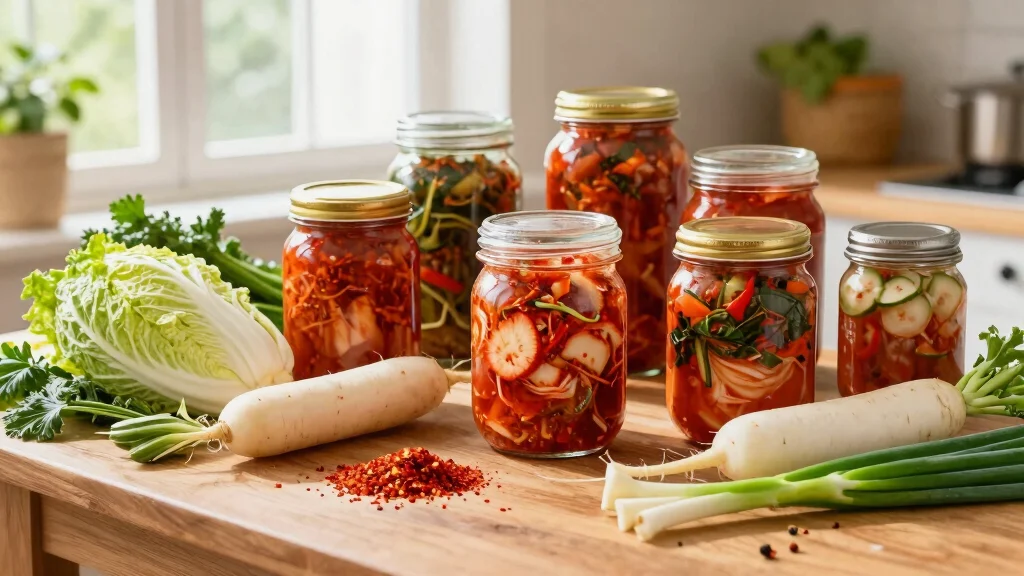
If you’ve ever had a craving for something tangy, spicy, and downright delicious, you know that kimchi is a culinary treasure. But what if you’re vegan or just want to avoid fish sauce? This post is for you! I created this collection of 17 Homemade Vegan Kimchi Recipes (No Fish Sauce) to show you that you can still enjoy all the bold, zesty flavors of traditional kimchi without compromising your dietary choices.
Whether you’re a seasoned vegan, a curious cook, or someone looking to embrace more plant-based kimchi in your life, you’ll find something here that excites your taste buds. Fermented foods are not just tasty; they also offer amazing health benefits. Kimchi, packed with probiotics from fermented vegetables, can enhance gut health and boost your immune system. I’ve gathered recipes that are not just simple to follow, but also perfect for any occasion—be it a casual weeknight dinner or a special gathering with friends.
Get ready to explore a variety of flavors—from the classic Napa cabbage kimchi to unique twists like mango kimchi and sweet potato kimchi. Each recipe is designed to be easy to make, allowing even beginners to whip up their own delicious batch at home. With these recipes, you can add a probiotic punch to your meals and impress your friends and family with your culinary skills.
Key Takeaways
– Discover 17 unique recipes for making vegan kimchi without fish sauce, ensuring that everyone can enjoy this delightful dish.
– Each recipe features easy-to-follow steps and ingredients that are readily available, making it accessible for all cooking levels.
– Enjoy the health benefits of probiotics by incorporating these fermented vegetable dishes into your diet, supporting your gut health.
– Expand your culinary repertoire by experimenting with various flavors, including spicy, sweet, and tangy options.
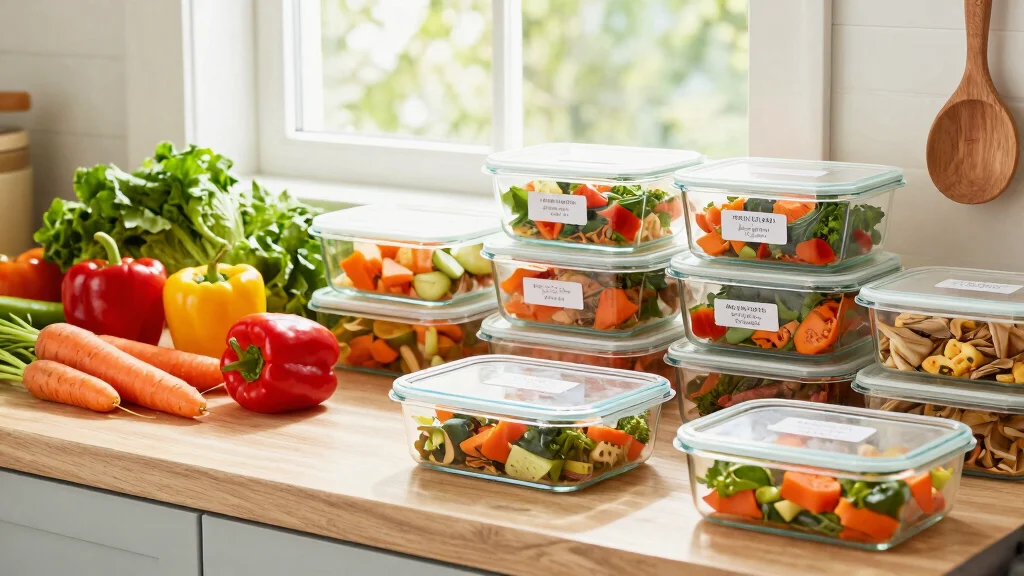
– Perfect for meal prep, these vegan fermentation recipes can be made in advance, allowing you to enjoy homemade kimchi whenever you desire.
1. Classic Napa Cabbage Kimchi
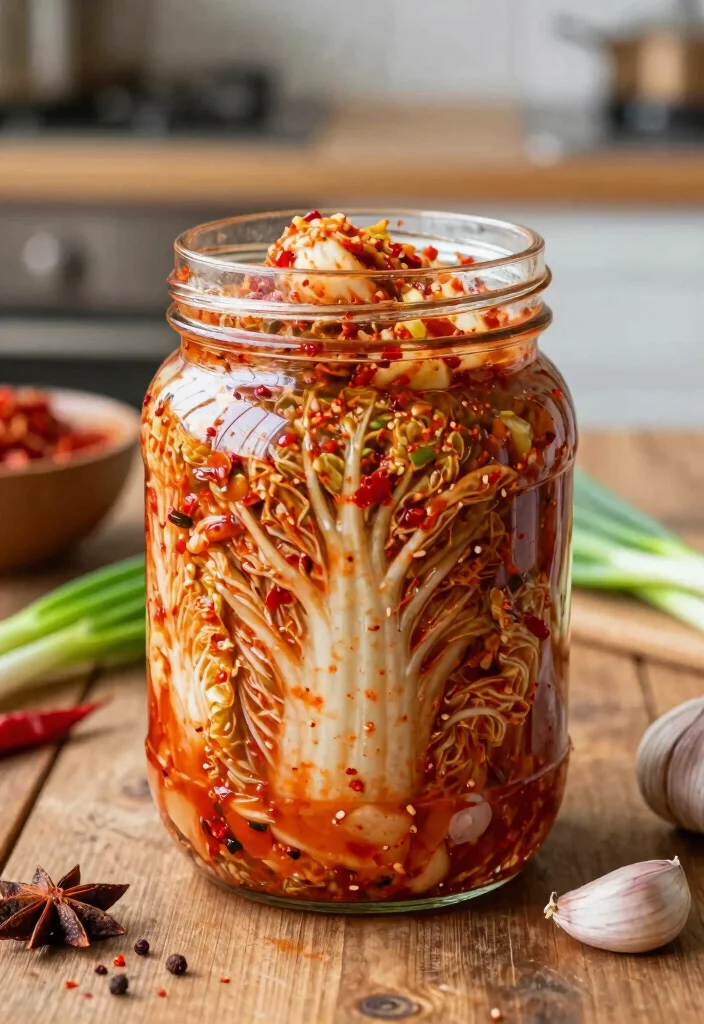
Craving a crunchy, tangy treat that packs a probiotic punch? This classic vegan napa cabbage kimchi is just what you need. With a delightful mix of spicy gochugaru and zesty garlic, each bite brings a satisfying crunch that’s both delicious and nutritious, making it the perfect addition to any meal. Plus, it’s easy to prepare and ready in just a few days!
Ingredients:
– 1 head napa cabbage
– 1/4 cup sea salt
– 4 cups water
– 1 tablespoon grated ginger
– 5 cloves garlic, minced
– 3 tablespoons gochugaru (Korean chili flakes)
– 1 teaspoon sugar
– 4 green onions, chopped
1. Cut the napa cabbage into quarters and soak in salted water for about 2 hours.
2. Rinse the cabbage and squeeze out any excess water.
3. In a mixing bowl, combine ginger, garlic, gochugaru, and sugar to create a paste.
4. Rub the paste all over the cabbage, mixing in the chopped green onions.
5. Pack everything tightly into a clean jar, pressing down to remove air bubbles.
6. Seal the jar and let it ferment at room temperature for 2-3 days before refrigerating.


FAQs:
– Can I use regular cabbage? Yes, but napa cabbage gives a sweeter taste.
– How long can I store it? It lasts up to a month in the fridge.
🥗 Delicious Chickpea Salad Recipe
Elevate your meals with this healthy and easy chickpea salad, perfect for vegan enthusiasts craving fresh flavors!
2. Spicy Daikon Radish Kimchi
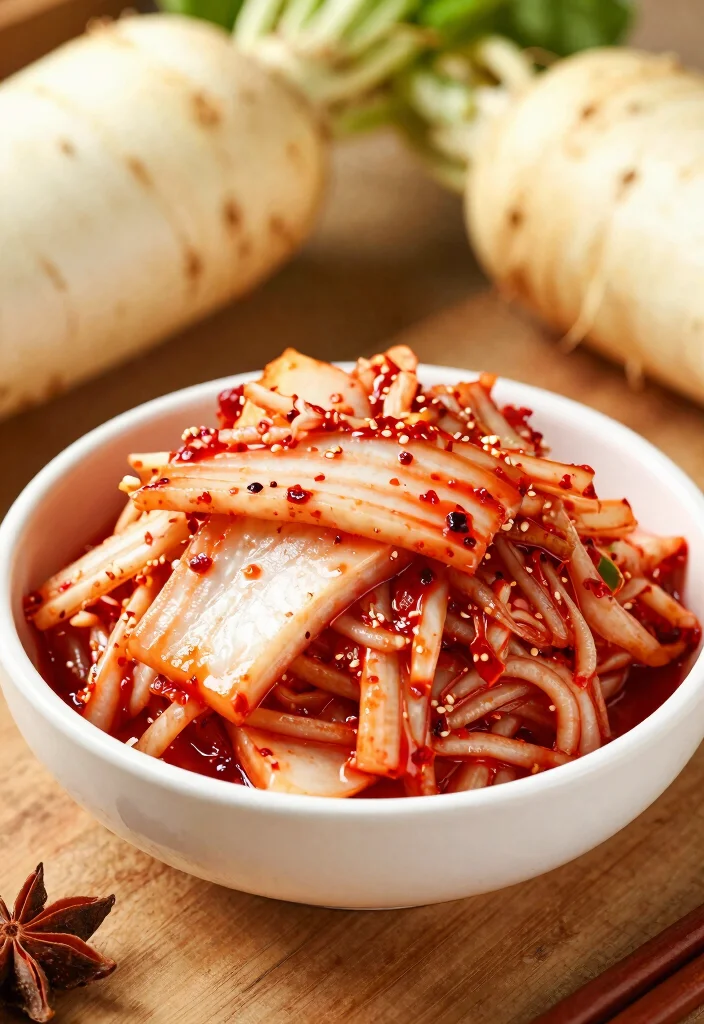
Looking for a crunchy, zesty side dish? This spicy daikon radish kimchi is a fantastic option, bursting with flavor and perfect for adding a kick to any meal. The radish’s crispness absorbs the spicy seasoning beautifully, making it a fun and nutritious addition to your table. Plus, it’s low in calories and high in fiber, so you can enjoy it guilt-free!
Ingredients:
– 1 medium daikon radish, julienned
– 1 tablespoon sea salt
– 3 tablespoons gochugaru
– 2 cloves garlic, minced
– 1 tablespoon grated ginger
– 1 tablespoon sugar
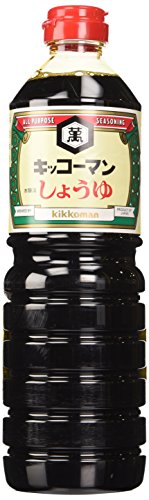
– 2 teaspoons soy sauce
1. Sprinkle the daikon radish with salt and allow it to sit for about 15 minutes to release moisture.
2. In a bowl, mix gochugaru, garlic, ginger, sugar, and soy sauce to form a paste.
3. Coat the radish in the paste until well mixed.
4. Pack the mixture tightly into a jar, pressing down to eliminate air pockets.
5. Let it ferment at room temperature for 1-2 days, then refrigerate.



FAQs:
– Can I use other types of radish? Yes, you can substitute with red radishes for a different flavor.
– Is it gluten-free? Yes, just ensure your soy sauce is gluten-free.
How To Choose The Right Vegan Kimchi Recipe
When it comes to making homemade vegan kimchi, choosing the right recipe can make all the difference. With so many variations available, it’s helpful to know what to look for. Here are some key factors to consider when selecting your perfect vegan kimchi recipe.
1. Ingredients
First, check the ingredients list. Vegan kimchi recipes often substitute fish sauce with alternative flavors like soy sauce, miso, or tamari. Make sure the recipe includes ingredients you enjoy and can easily find at your local grocery store. Look for recipes that include a mix of vegetables such as napa cabbage, radishes, and carrots, as these provide a delightful crunch and flavor profile.
2. Level of Spiciness
Consider how spicy you want your kimchi to be. Many recipes use gochugaru, a Korean red pepper powder that ranges from mild to very spicy. If you’re unsure, start with a recipe that allows you to adjust the heat level to your liking. You can always add more spice later, but it’s hard to tone it down once it’s too spicy!
3. Fermentation Time
Fermentation time varies greatly among recipes. Some kimchi can be ready in just a few hours, while others benefit from several days of fermentation. If you’re in a hurry, look for easy kimchi recipes with shorter fermentation times. If you can wait, longer fermentation can deepen the flavors and probiotic benefits of your kimchi.
4. Health Benefits
Many people choose vegan kimchi for its health benefits, including probiotics from fermented vegetables. Check if the recipe incorporates ingredients known for their health properties, such as garlic, ginger, or turmeric. These not only add flavor but also boost the nutritional value of your kimchi.
5. Customizability
A good vegan kimchi recipe should allow for some level of customization. If you love certain vegetables or flavors, find a recipe that encourages you to make adjustments. This could be adding fruits like apples or mango for sweetness, or experimenting with different vegetables like green beans or beets. The freedom to customize can make your homemade kimchi even more enjoyable.
6. Equipment
Lastly, consider what equipment you have at home. Some recipes might require specific jars or fermentation crocks. While you can often use basic mason jars for fermentation, make sure you have everything you need to get started before you dive into a recipe.
Pro Tip: Always taste your kimchi during fermentation. This way, you can stop the process when it reaches your desired flavor and acidity, ensuring that it’s just right for your palate. Enjoy the journey of creating your personalized vegan kimchi!






3. Korean Cucumber Kimchi (Oi Sobagi)
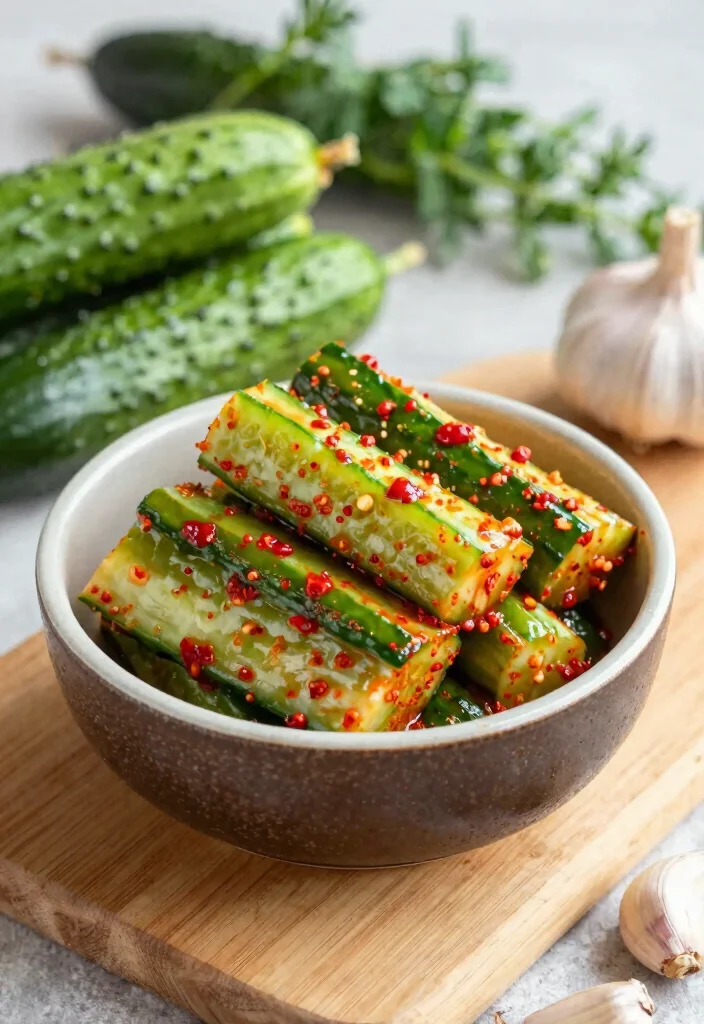
On a hot day, nothing beats the refreshing crunch of cucumber kimchi! This easy recipe showcases the unique taste of Korean cucumbers, delivering a burst of flavor that’s perfect for summer. The quick fermentation process adds a tangy twist, making it an irresistible side dish or snack. Plus, it’s a great way to boost your probiotic intake without a lengthy wait!
Ingredients:
– 4 Korean cucumbers, halved
– 1 tablespoon sea salt
– 3 tablespoons gochugaru
– 2 cloves garlic, minced
– 1 teaspoon sugar
– 1 tablespoon soy sauce
– 2 green onions, chopped
1. Sprinkle cucumbers with salt and let them rest for about 10 minutes.
2. In a bowl, combine gochugaru, garlic, sugar, and soy sauce to create a paste.
3. Rub the paste into the cucumbers until well coated.
4. Place cucumbers in a jar, topping with chopped green onions.
5. Seal the jar and let sit at room temperature for 24 hours, then refrigerate.





FAQs:
– Can I use regular cucumbers? Yes, but Korean cucumbers are crunchier.
– How long does it last in the fridge? It stays fresh for about a week.
4. Radish and Carrot Kimchi
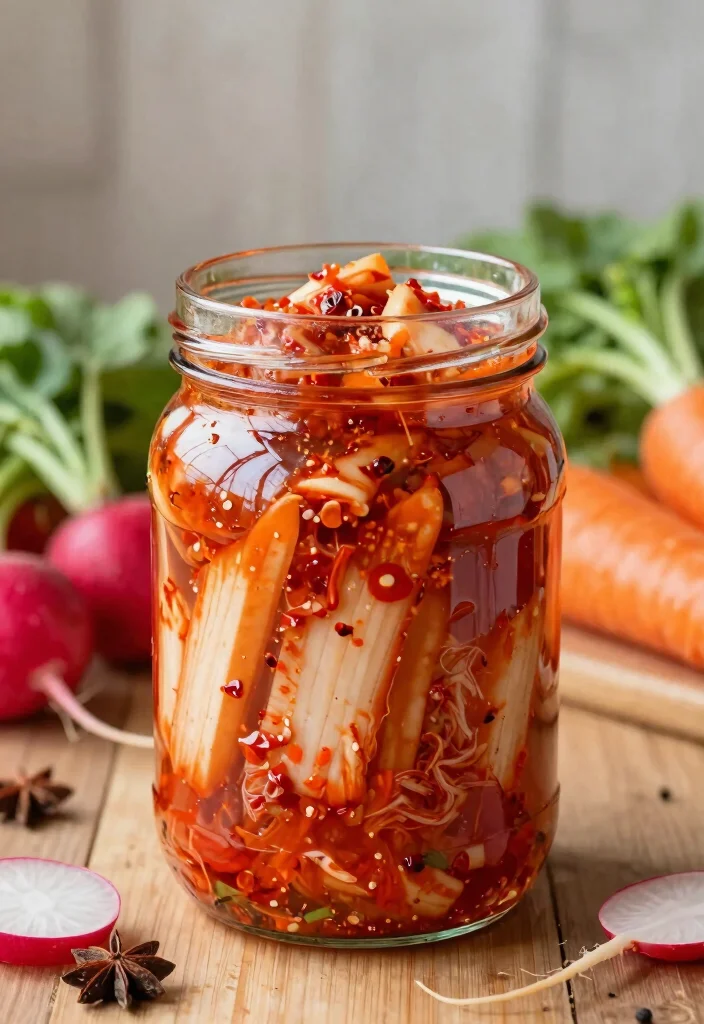
Want a vibrant dish that’s both crunchy and flavorful? This radish and carrot kimchi combines the earthy taste of radish with the natural sweetness of carrots, creating a colorful and nutritious side that’s hard to resist. Rich in vitamins, it’s perfect for adding a probiotic boost to your meals while being wonderfully versatile for all types of dishes!
Ingredients:
– 1 cup radish, grated
– 1 cup carrots, grated
– 1 tablespoon sea salt
– 3 tablespoons gochugaru
– 2 cloves garlic, minced
– 1 teaspoon sugar
– 1 tablespoon soy sauce
Instructions:
1. In a bowl, mix grated radish and carrot with salt and let sit for 15 minutes.
2. In another bowl, combine gochugaru, garlic, sugar, and soy sauce to form a paste.
3. Mix the radish and carrot with the paste until well combined.
4. Pack the mixture into a jar, pressing down to remove any air pockets.
5. Let it ferment at room temperature for 2-3 days before refrigerating.
FAQs:
– Can I add other vegetables? Yes, bell peppers or green beans are great additions.
– Is it spicy? Adjust the gochugaru to control the heat level.
5. Beets and Cabbage Kimchi

Looking to add a pop of color to your plate? This beets and cabbage kimchi is visually stunning and packed with flavor! The deep magenta of the beets pairs beautifully with crisp cabbage, making it not just a feast for the eyes but also a nutritious option loaded with antioxidants. It’s a delightful way to enjoy a unique twist on traditional kimchi, perfect for any occasion!
Ingredients:
– 1 medium beet, grated
– 4 cups napa cabbage, chopped
– 1 tablespoon sea salt
– 3 tablespoons gochugaru
– 3 cloves garlic, minced
– 1 tablespoon sugar
– 1 tablespoon rice vinegar
1. In a large bowl, combine chopped napa cabbage and grated beet with salt, letting it sit for 30 minutes.
2. Mix gochugaru, garlic, sugar, and vinegar to form a paste.
3. Combine the beet and cabbage mixture with the paste until well mixed.
4. Pack into a jar tightly, pressing down to remove air bubbles.
5. Let it ferment at room temperature for 2-3 days before refrigerating.




FAQs:
– Can I use pickled beets? Fresh beets are recommended for the best flavor.
– How long will it last? It can be stored in the fridge for up to a month.
6. Spicy Green Bean Kimchi
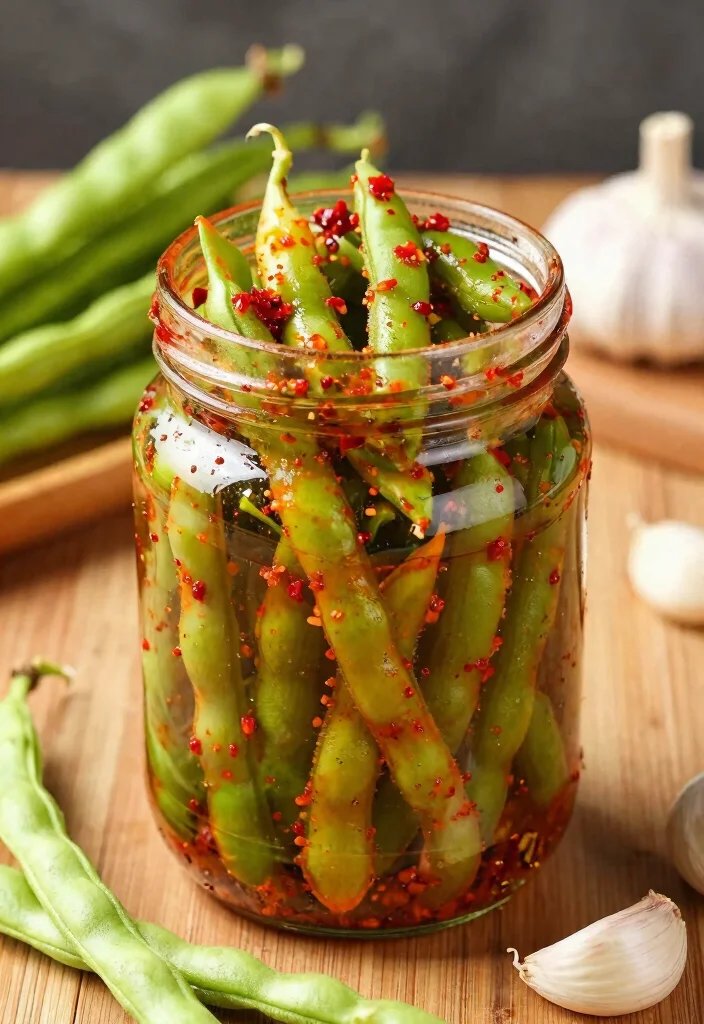
Craving something crunchy and spicy? This green bean kimchi offers a unique twist on traditional recipes, with crisp green beans that soak up the flavorful spices. Not only is it delicious, but it’s also packed with vitamins A and K, making it a nutritious addition to any meal. Enjoy it as a side dish or a tasty snack!
Ingredients:
– 2 cups green beans, trimmed
– 1 tablespoon sea salt
– 3 tablespoons gochugaru
– 3 cloves garlic, minced
– 1 tablespoon sugar
– 1 tablespoon soy sauce
Instructions:
1. Sprinkle green beans with salt and let them sit for 10 minutes.
2. In a bowl, mix gochugaru, garlic, sugar, and soy sauce until you form a paste.
3. Toss the green beans in the paste until thoroughly coated.
4. Pack into a clean jar, pressing down to eliminate air pockets.
5. Allow to ferment at room temperature for 1-2 days, then refrigerate.
FAQs:
– Can I use frozen green beans? Fresh ones are best for texture and flavor.
– How spicy is it? You can adjust the gochugaru to your preference.
7. Fermented Cauliflower Kimchi

Love a good crunch? This cauliflower kimchi is packed with flavor and texture, making it a delightful snack or side dish. The cauliflower absorbs the spicy, tangy seasoning beautifully, resulting in a zesty treat that’s rich in probiotics. Enjoy it on its own, with rice, or toss it into salads for an extra crunch!
Ingredients:
– 2 cups cauliflower florets
– 1 tablespoon sea salt
– 3 tablespoons gochugaru
– 2 cloves garlic, minced
– 1 tablespoon sugar
– 1 tablespoon rice vinegar
1. In a bowl, mix cauliflower florets with salt and let sit for 30 minutes.
2. In another bowl, combine gochugaru, garlic, sugar, and vinegar to form a paste.
3. Toss the cauliflower with the paste until thoroughly coated.
4. Pack into a jar, pressing down firmly.
5. Allow to ferment at room temperature for 2-3 days before refrigerating.



FAQs:
– Can I add other vegetables? Sure! Carrots or radishes can enhance the flavor.
– How long does it keep? It can last up to a month in the fridge.
Cauliflower kimchi is my new snack soulmate in this vegan kimchi recipe — crunchy, probiotic, and punchy enough to crave all week. Keep a jar in the fridge and toss it into rice bowls or salads for an easy, flavor-packed boost.
You might also like


8. Sweet Potato Kimchi

Looking for a unique side dish? This sweet potato kimchi combines the natural sweetness of sweet potatoes with the spicy kick of gochugaru, creating a delightful blend of flavors. Not only does it taste amazing, but sweet potatoes are also packed with vitamins and fiber, making this dish a nutritious option. Enjoy it as a side or use it as a filling in tacos for an exciting twist!
Ingredients:
– 1 large sweet potato, julienned
– 1 tablespoon sea salt
– 3 tablespoons gochugaru
– 2 cloves garlic, minced
– 1 tablespoon sugar
– 1 tablespoon soy sauce
1. Mix the sweet potato with salt in a bowl and allow it to sit for 15 minutes.
2. In another bowl, combine gochugaru, garlic, sugar, and soy sauce to form a paste.
3. Toss the sweet potato in the paste until well-coated.
4. Pack the mixture into a jar, pressing down to remove air bubbles.
5. Let it ferment for 1-2 days at room temperature, then refrigerate.




FAQs:
– How long should I wait to eat it? Enjoy it within a week for the best flavor.
– Can I use purple sweet potatoes? Absolutely! They add a nice color and flavor.
Fun fact: 1 cup of cooked sweet potato packs about 4g fiber and a dose of vitamin A. Turned into a vegan kimchi recipe, it pairs gochugaru heat with natural sweetness for a nutritious side or taco filling.
9. Kimchi Fried Rice

Transform your homemade kimchi into a delicious fried rice dish! This recipe takes the classic comfort food and infuses it with the spicy, tangy flavors of kimchi, making it a savory meal that’s quick and satisfying. It’s an excellent way to use up leftover rice and kimchi while packing in lots of nutrients.
Ingredients:
– 2 cups cooked rice
– 1 cup kimchi, chopped
– 1 tablespoon sesame oil
– 1 cup mixed vegetables (peas, carrots, bell peppers)
– 2 green onions, chopped
– 1 tablespoon soy sauce
1. Heat sesame oil in a pan over medium heat.
2. Add mixed vegetables and sauté until tender.
3. Stir in the chopped kimchi and cook for 2-3 minutes.
4. Add the cooked rice and soy sauce, mixing thoroughly.
5. Toss in chopped green onions before serving.


– Can I add protein? Absolutely! Tofu or scrambled eggs would work well.
– How spicy will it be? The spice level depends on how spicy your kimchi is.





Fun fact: a quick kimchi fried rice can come together in under 15 minutes using leftover rice and chopped kimchi. This vegan kimchi recipe turns leftovers into a savory, nutrient-dense meal—just splash sesame oil, toss in veggies, and finish with greens.
10. Mango Kimchi

Craving something fruity and tangy? This mango kimchi is a delightful twist on traditional kimchi, incorporating ripe mangoes for a sweet flavor that balances the spiciness of chili flakes. It’s refreshing, perfect for summer barbecues, and makes an exciting side dish that will surprise your guests.
Ingredients:
– 1 large ripe mango, julienned
– 1 cup napa cabbage, chopped
– 1 tablespoon sea salt
– 3 tablespoons gochugaru
– 2 cloves garlic, minced
– 1 tablespoon sugar
– 1 tablespoon lime juice
Instructions:
1. In a bowl, combine mango, napa cabbage, and salt; let sit for 15 minutes.
2. Mix gochugaru, garlic, sugar, and lime juice to create a paste.
3. Combine the mango and cabbage mixture with the paste until well mixed.
4. Pack into a jar, pressing down well.
5. Let it ferment at room temperature for 2 days, then refrigerate.
FAQs:
– Can I use frozen mango? Fresh mango is best for flavor and texture.
– How long will it last? It can be stored in the fridge for about a week.
11. Kimchi Tofu Stir Fry
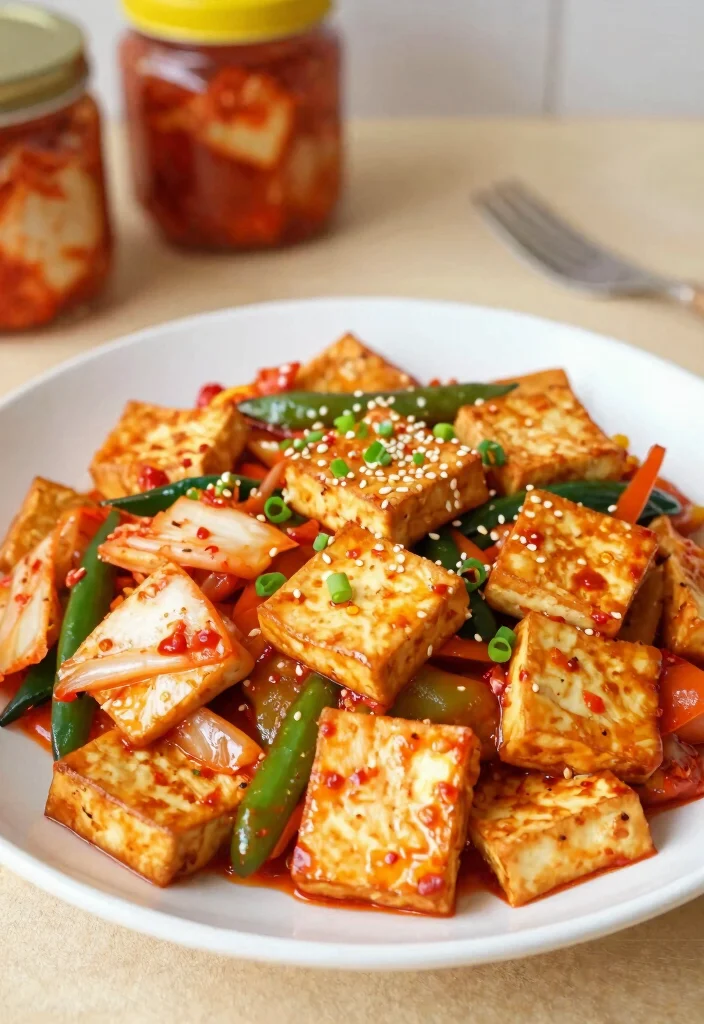
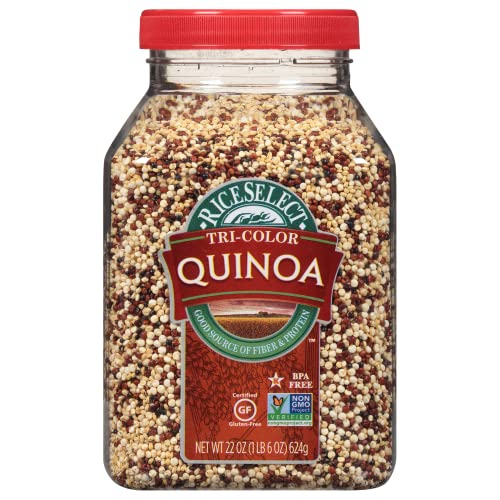
Looking for a quick and protein-packed meal? This kimchi tofu stir-fry combines crispy tofu with flavorful kimchi for a savory dish that’s not only delicious but also nutritious. Perfect for busy weeknights, it’s quick to prepare and can be served over rice or quinoa for a complete meal.
Ingredients:
– 1 block firm tofu, cubed
– 1 cup kimchi, chopped
– 2 tablespoons sesame oil
– 2 cloves garlic, minced
– 1 tablespoon soy sauce
– 1 tablespoon rice vinegar
1. Sauté cubed tofu in sesame oil over medium heat until golden and crispy.
2. Add minced garlic and chopped kimchi, cooking for 2-3 minutes.
3. Stir in soy sauce and rice vinegar, mixing well.
4. Cook for another 2 minutes, then serve hot.




FAQs:
– Can I add other vegetables? Yes, bell peppers or broccoli would be great additions.
– Is it gluten-free? Use gluten-free soy sauce for a gluten-free option.
12. Pickled Garlic Kimchi

If you’re a garlic aficionado, this pickled garlic kimchi is a must-try! Garlic cloves are fermented with spices, resulting in a zesty, probiotic-rich condiment that adds a bold punch to any dish. Simple to make with just a few ingredients, this kimchi is packed with flavor and health benefits.
Ingredients:
– 1 cup garlic cloves, peeled
– 1 tablespoon sea salt
– 3 tablespoons gochugaru
– 1 tablespoon sugar
– 1 tablespoon soy sauce
Instructions:
1. In a bowl, combine garlic cloves with salt and let sit for 15 minutes.
2. Mix gochugaru, sugar, and soy sauce to create a paste.
3. Toss the garlic with the paste until fully coated.
4. Pack into a jar tightly, pressing down to eliminate air pockets.
5. Let it ferment at room temperature for 3-5 days, then refrigerate.
FAQs:
– How spicy is it? The heat level depends on the amount of gochugaru you use.
– Can I use less garlic? You can reduce the amount, but garlic is the star ingredient!
13. Apple and Cabbage Kimchi

Want to add a touch of sweetness to your meals? This apple and cabbage kimchi is a delightful fusion of flavors, pairing crisp apples with cabbage for a refreshing and unique taste. Perfect for those who enjoy a fruity twist on traditional kimchi, it’s also a great way to incorporate more probiotics into your diet.
Ingredients:
– 1 apple, julienned
– 2 cups napa cabbage, chopped
– 1 tablespoon sea salt
– 3 tablespoons gochugaru
– 2 cloves garlic, minced
– 1 tablespoon sugar
– 1 tablespoon lime juice
1. Combine apple, napa cabbage, and salt in a bowl; let sit for 15 minutes.
2. In another bowl, mix gochugaru, garlic, sugar, and lime juice to create a paste.
3. Combine the apple and cabbage mixture with the paste until well mixed.
4. Pack into a jar, ensuring it’s tightly sealed.
5. Allow to ferment at room temperature for 2-3 days, then refrigerate.




FAQs:
– Can I use sweet apples? Yes, sweet apples work great for this recipe.
– How long can I store it? It stays fresh in the fridge for about a week.
You Might Also Like

14. Kimchi Pancakes

Looking for a delicious snack or appetizer? Kimchi pancakes are a popular Korean dish that’s easy to whip up and incredibly satisfying. The tangy flavor of fermented kimchi combined with a crispy exterior makes these pancakes a must-try. Enjoy them with a soy dipping sauce for an extra flavor boost!
Ingredients:
– 1 cup kimchi, chopped
– 1 cup flour (or gluten-free alternative)
– 1 cup water
– 1 egg (or flax egg)
– 1 tablespoon sesame oil
– 2 green onions, chopped
1. In a bowl, mix kimchi, flour, water, egg, and green onions until combined.
2. Heat sesame oil in a pan over medium heat.
3. Pour batter into the pan, forming pancakes, and cook until golden brown on both sides.
4. Serve hot with soy sauce for dipping.



FAQs:
– Can I add more kimchi? Yes, feel free to adjust the amount based on your taste.
– Can I make them vegan? Just use a flax egg instead of a regular egg.
15. Kimchi Quinoa Bowl
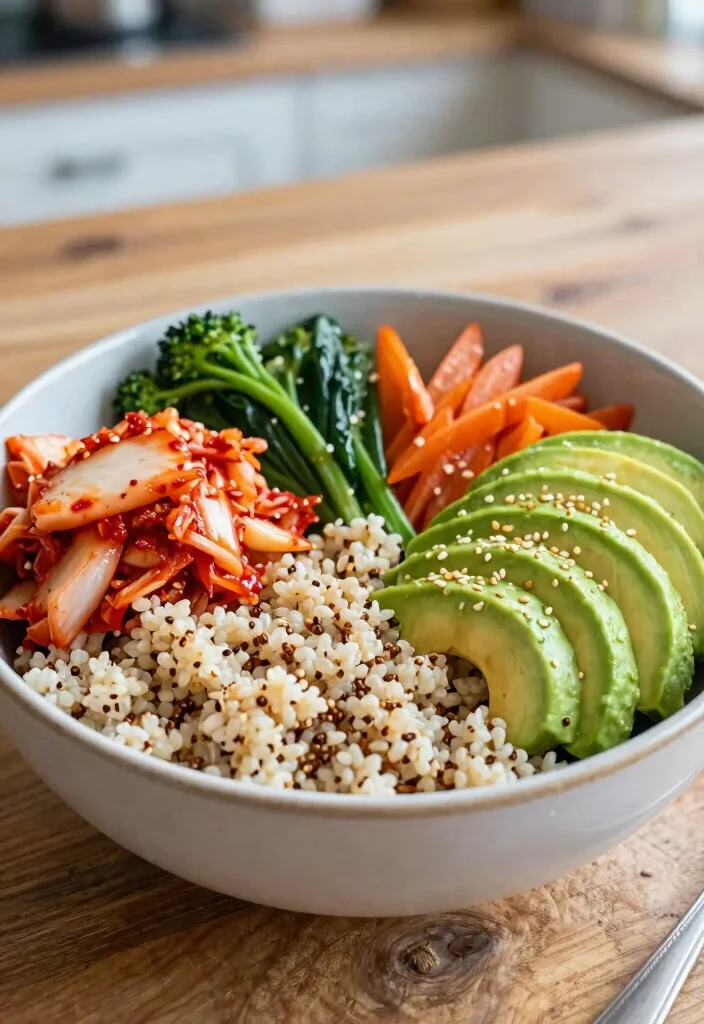
Craving a nutritious and filling meal? This kimchi quinoa bowl combines protein-packed quinoa with the tangy flavors of kimchi for a satisfying dish. It’s customizable, so feel free to add your favorite veggies, avocado, or even a soft-boiled egg for added richness. It’s a delicious way to enjoy a hearty meal that’s full of flavor!
Ingredients:
– 1 cup quinoa, rinsed
– 2 cups water
– 1 cup kimchi, chopped
– 1 cup mixed vegetables (bell peppers, spinach, etc.)
– 1 avocado, sliced
– 1 tablespoon sesame seeds
1. Boil quinoa in water, then simmer for 15 minutes until cooked.
2. In a bowl, combine cooked quinoa, chopped kimchi, and mixed vegetables.
3. Top with sliced avocado and sesame seeds before serving.


FAQs:
– Can I substitute quinoa? Yes, brown rice or couscous can also work well.
– How can I add more protein? Consider adding beans or tofu for extra protein.
16. Zucchini Kimchi

Looking to utilize seasonal zucchinis? This zucchini kimchi is a light and refreshing option that’s perfect for summer! The mild flavor of zucchini absorbs the spices beautifully, making it a versatile and delicious addition to many dishes. Enjoy it as a side, topping for tacos, or simply on its own.
Ingredients:
– 2 cups zucchini, julienned
– 1 tablespoon sea salt
– 3 tablespoons gochugaru
– 2 cloves garlic, minced
– 1 tablespoon sugar
– 1 tablespoon rice vinegar
Instructions:
1. In a bowl, mix zucchini with salt and let it sit for 10 minutes.
2. Combine gochugaru, garlic, sugar, and vinegar to form a paste.
3. Toss the zucchini in the paste until well-coated.
4. Pack into a jar, pressing down firmly.
5. Allow to ferment at room temperature for 1-2 days, then refrigerate.
FAQs:
– How long will it stay fresh? It’s best enjoyed within a week for optimal flavor and crunch.
– Can I use yellow squash? Yes, yellow squash is a great alternative!
17. Kimchi Salad

Want to enjoy the flavors of kimchi in a fresh salad? This kimchi salad combines mixed greens with your favorite add-ins for a refreshing dish that highlights the tangy taste of kimchi. It’s a simple way to incorporate probiotics into your meal while enjoying a crunchy texture.
Ingredients:
– 2 cups mixed greens
– 1 cup kimchi, chopped
– 1/2 cucumber, sliced
– 1/2 bell pepper, sliced
– 1 tablespoon sesame oil
– 1 tablespoon lime juice
Instructions:
1. In a large bowl, mix together mixed greens, kimchi, cucumber, and bell pepper.
2. Drizzle with sesame oil and lime juice.
3. Toss everything together until well combined before serving.
FAQs:
– Can I add nuts or seeds? Yes! They add great crunch and flavor.
– How long does it last? It’s best enjoyed fresh, but can be stored for a day in the fridge.
Conclusion
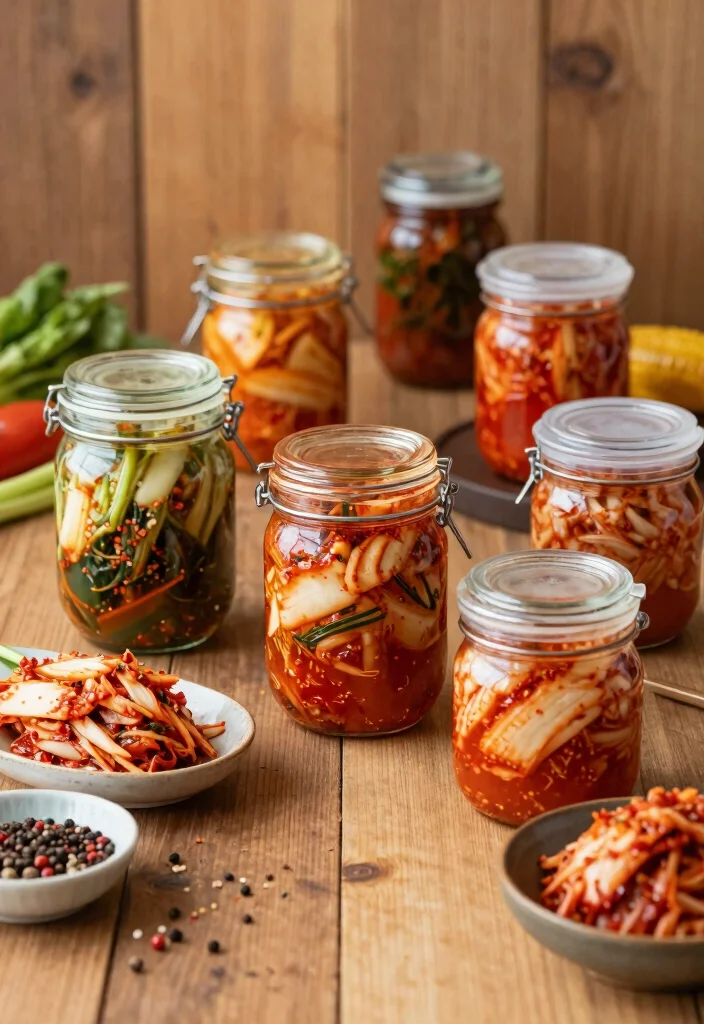
Exploring the world of homemade vegan kimchi opens up a universe of flavors, textures, and health benefits! From classic recipes to creative spins, each variation offers a unique perspective on this beloved fermented staple.
With these 17 recipes at your fingertips, you’ll be able to craft delicious, gut-friendly dishes that elevate your meals and impress your friends. Dive into the delicious world of plant-based fermentation, and let your culinary creativity shine!
Related Topics
vegan kimchi recipe
fermented vegetables
plant-based kimchi
easy kimchi recipe
probiotic foods
vegan fermentation recipes
homemade condiments
spicy kimchi
beginner friendly
healthy snacks
quick recipes
Asian cuisine