
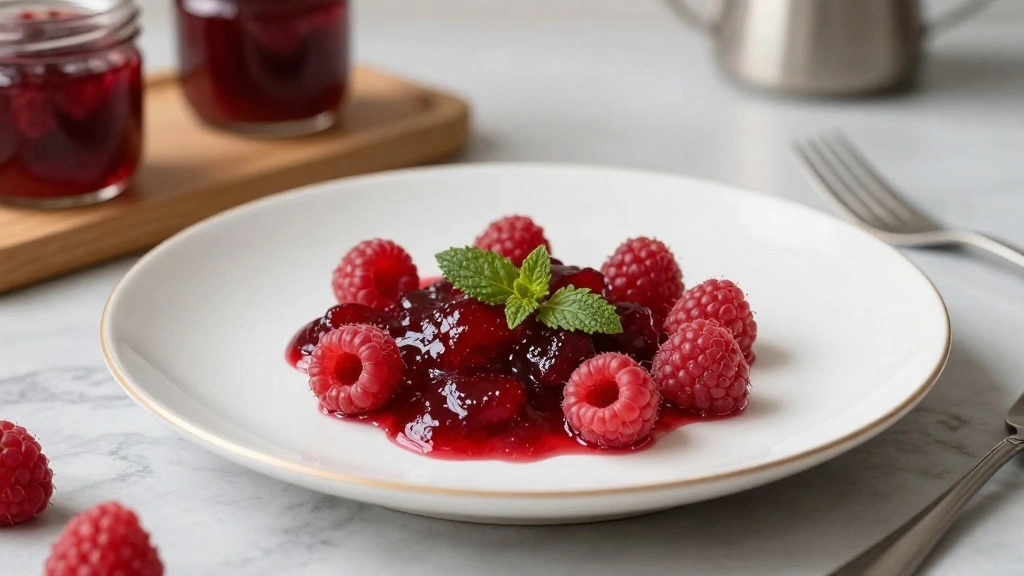
There’s nothing quite like the taste of homemade jam that captures the bright, tart essence of raspberries.
This Low-Sugar Raspberry Freezer Jam is a perfect solution for those who crave a sweet treat without the extra sugar.
With the natural sweetness of ripe raspberries, this recipe ensures a burst of flavor in every bite.
I stumbled upon this technique during a summer when raspberry bushes were overflowing with fruit, and it’s been a family favorite ever since.
Whether spread on toast, swirled into yogurt, or dolloped on pancakes, this jam is versatile and delicious.
It’s easy to prepare, requires no canning skills, and is a great way to preserve the taste of summer.
The History and Cultural Significance
• Low-Sugar Raspberry Freezer Jam traces its origins to the early 20th century in North America, where it was originally created by home cooks looking to preserve the summer harvest.
• The dish evolved over decades as sugar became a more controlled ingredient, eventually becoming the beloved version we know today with reduced sugar.
• In many cultures, this dish traditionally appears at breakfast tables and afternoon teas, symbolizing a connection to nature and seasonal bounty.
• While many variations exist across different regions, the authentic version maintains the pure fruit taste that sets it apart from imitations.




Recipe Overview
Nutritional Information (per serving)
Essential Equipment Guide
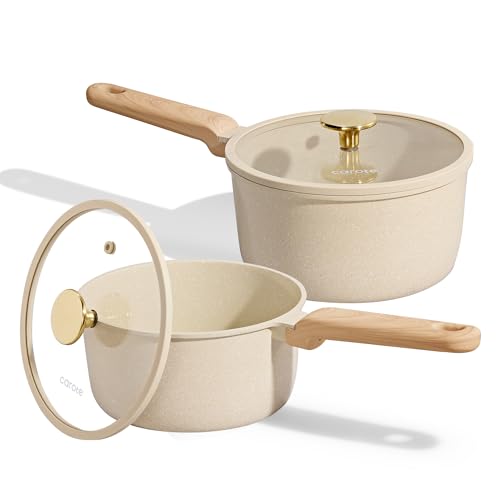
Heavy-Bottomed Pot: A heavy-bottomed pot is crucial for gently heating the fruit without scorching.
Alternatives like a stainless-steel saucepan may work, but ensure consistent heat distribution.
Masher: A potato masher helps break down the raspberries to release their juices and create a desired texture.
Alternatively, a fork can be used, but a masher provides more control.
Freezer-Safe Containers: These are essential for storing the jam and maintaining its freshness in the freezer.
Look for containers with tight-sealing lids to prevent freezer burn.




Ingredients
For the Jam
|
|
| Amount | Ingredient | Notes |
|---|---|---|
| 4 cups | fresh raspberries | washed and gently patted dry |
| 1 cup | sugar substitute | such as erythritol, for sweetness |
| 1 tablespoon | lemon juice | freshly squeezed, to enhance flavor |
| 1 pouch | low-sugar pectin | to thicken the jam |
Preparation Methods
Maceration: This technique involves mixing fruit with sugar to draw out the natural juices.
It’s essential for achieving a concentrated raspberry flavor without cooking.
Mix gently to avoid breaking down the fruit too much.
Cold Set: Using pectin allows the jam to set without heat.
This preserves the fresh taste of the raspberries and requires careful measurement of ingredients.
Freezing: Proper freezing ensures the jam remains fresh for months.
Avoid overfilling containers to allow for expansion.
Step 1: Prepare Raspberries
Gently rinse the raspberries under cold water.
Pat them dry with a clean kitchen towel.
Ensure all stems and leaves are removed.
Inspect for any damaged fruit and discard.
Step 2: Macerate the Fruit
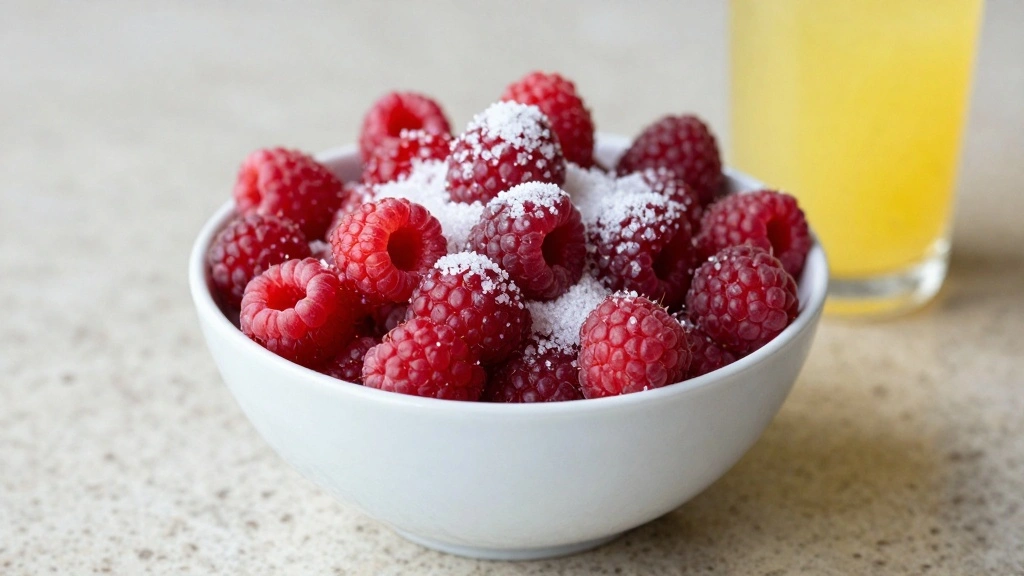
Place raspberries in a large bowl.
Sprinkle with sugar substitute and lemon juice.
Toss gently to combine.
Let sit for 10 minutes to draw out juices.
Step 3: Mash the Raspberries
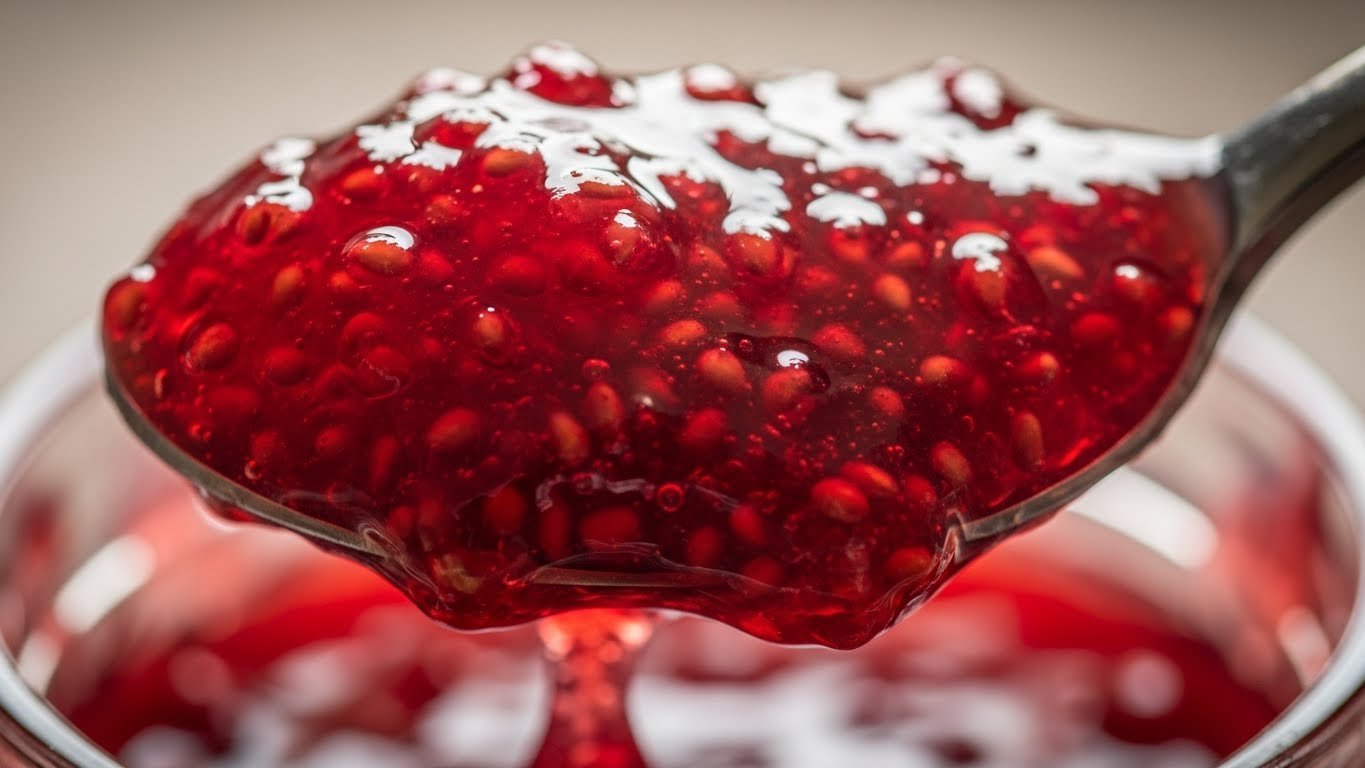
Use a potato masher to crush the raspberries.
Leave some chunks for texture.
Ensure the mixture is evenly mashed.
This will create a nice balance of fruit pieces and juice.
Step 4: Add Pectin
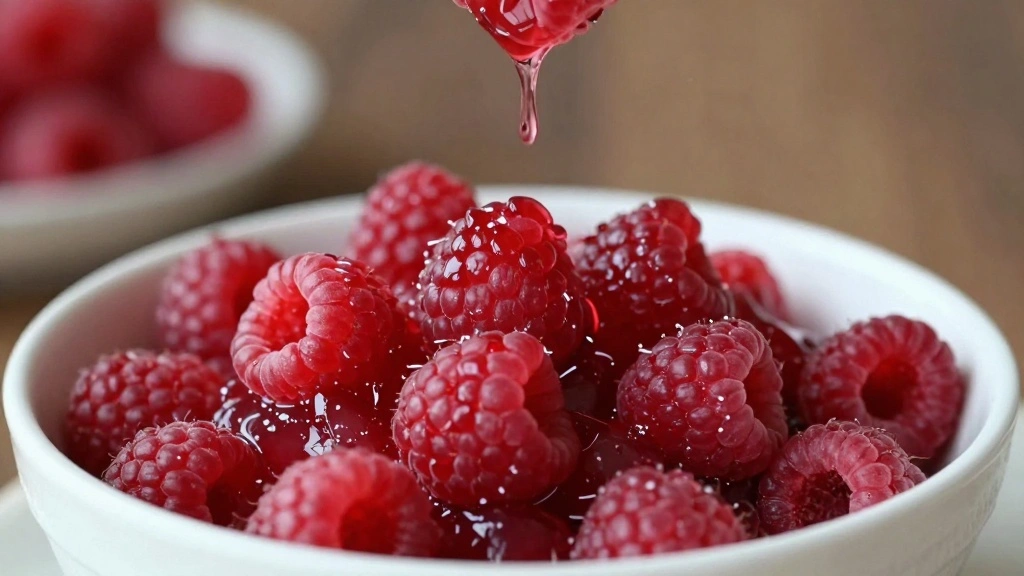
Sprinkle the low-sugar pectin over the fruit mixture.
Stir thoroughly until the pectin is fully dissolved.
Make sure there are no clumps remaining.
This step is crucial for the jam to set properly.
Step 5: Stir and Taste
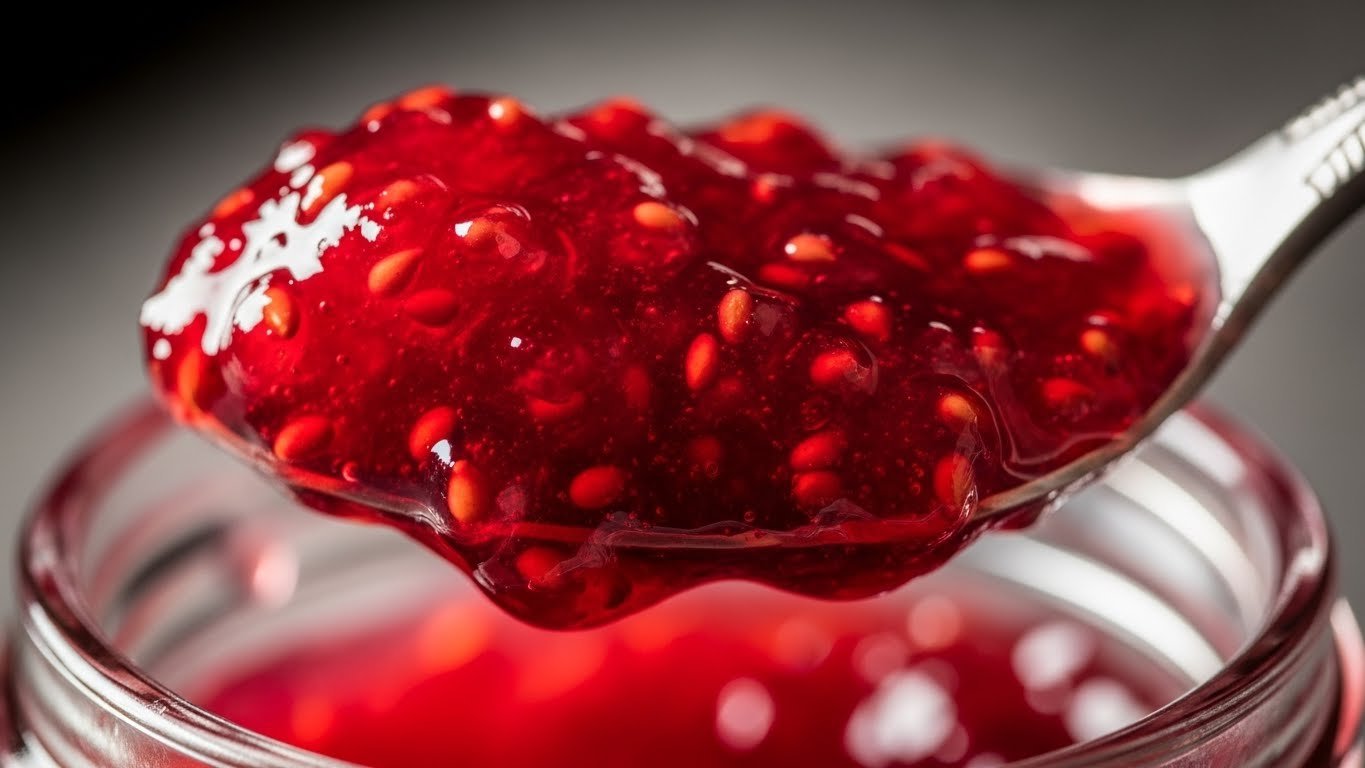
Stir the mixture again to ensure even distribution.
Taste the jam and adjust for sweetness if necessary.
Add more sugar substitute if desired.
Ensure the flavors are balanced.
Step 6: Transfer to Containers
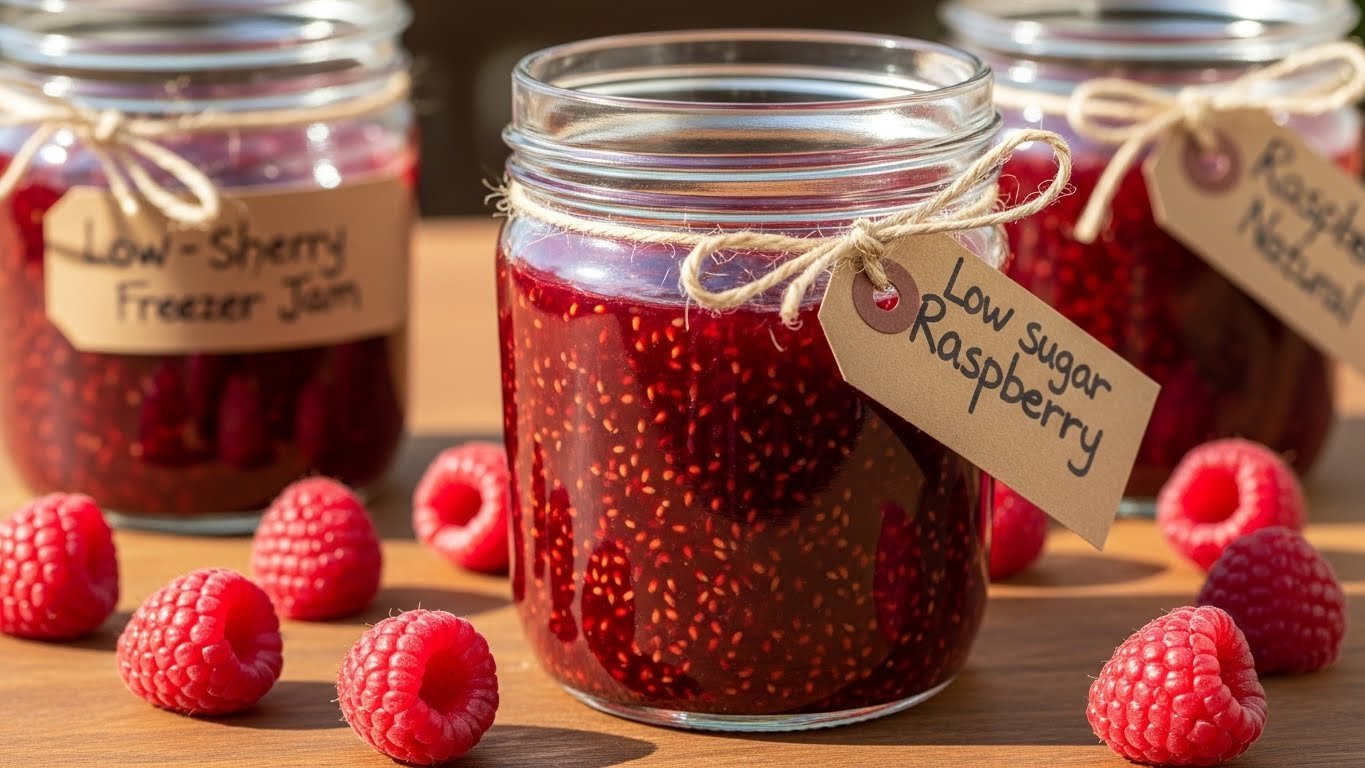
Use a ladle to pour the jam into freezer-safe containers.
Leave about 1/2 inch of space at the top for expansion.
Wipe any drips from the edges before sealing.
This prevents freezer burn.
Step 7: Seal and Label
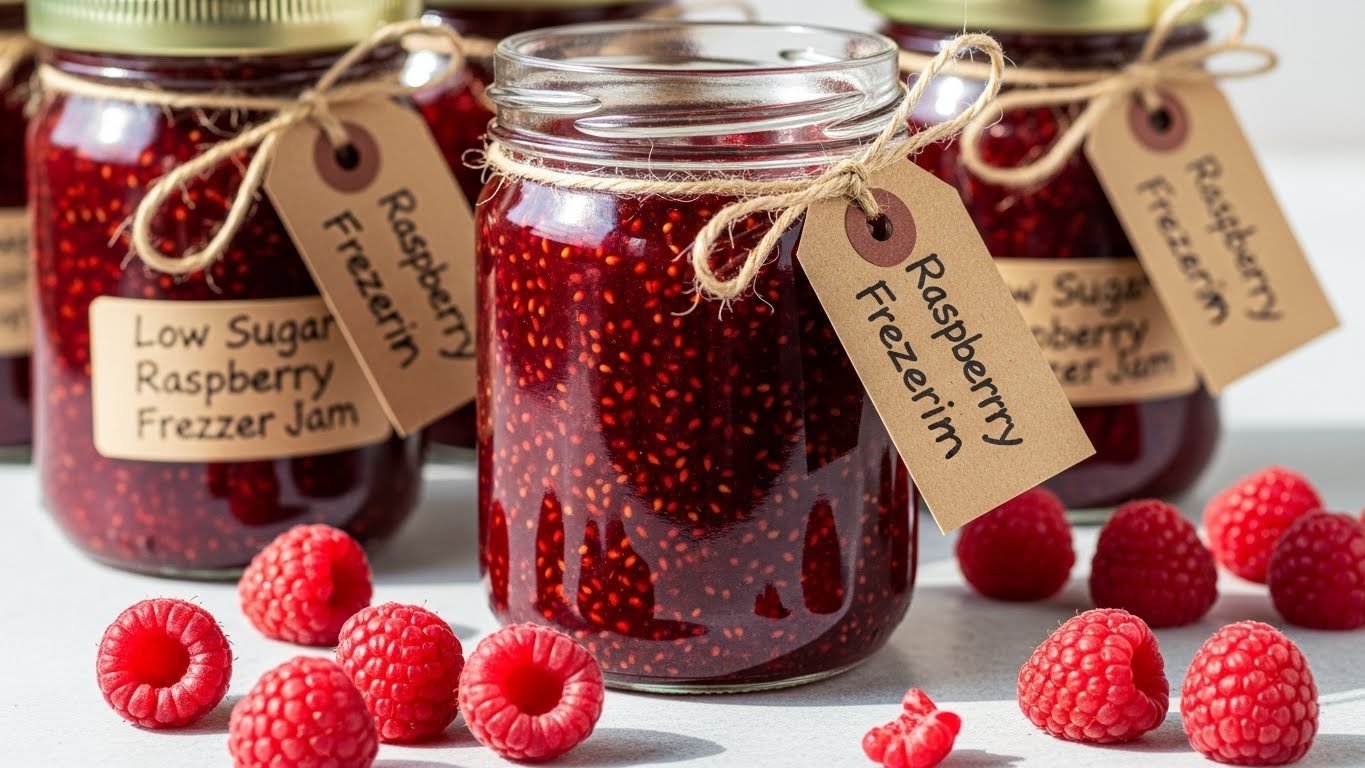
Seal the containers with tight-fitting lids.
Label each container with the date of preparation.
This helps with tracking freshness.
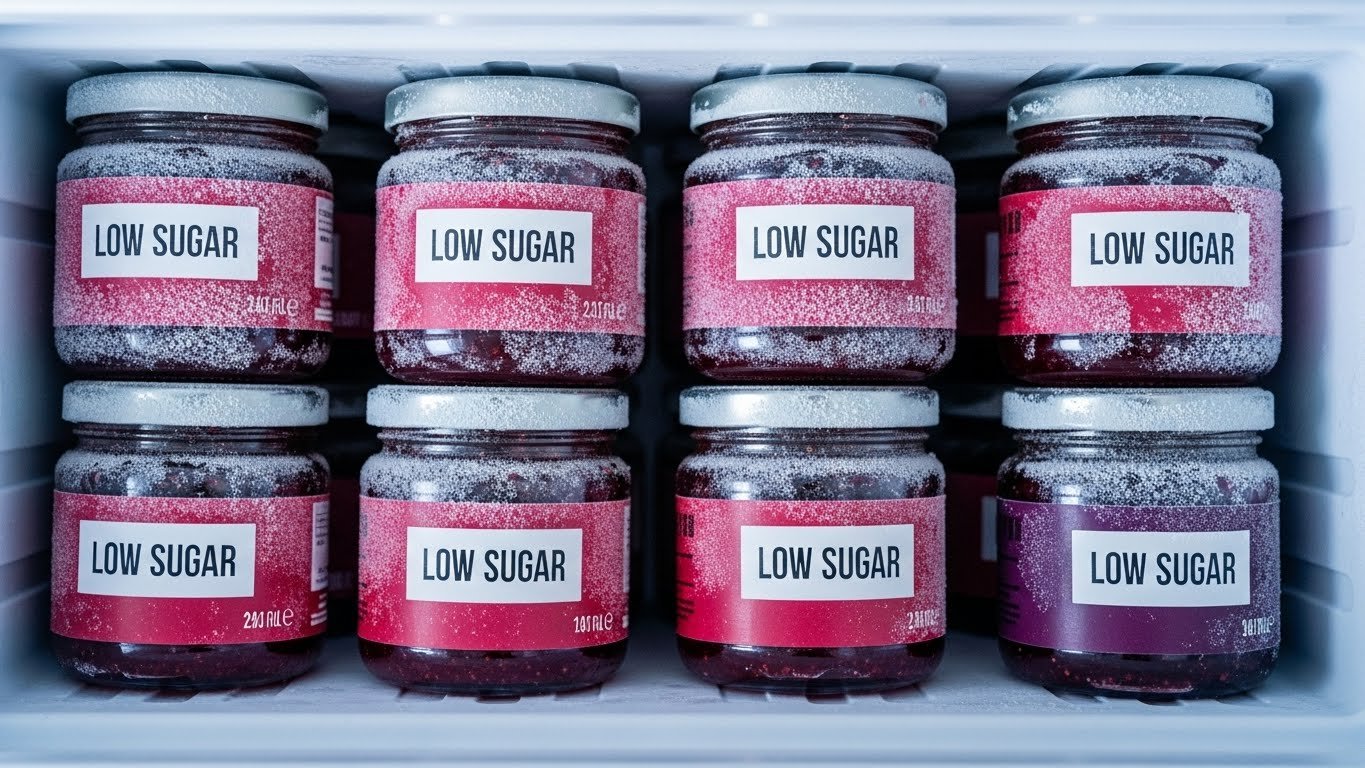
Store in the freezer once sealed.
Step 8: Freeze and Store
Place the sealed containers in the freezer.
Ensure they are upright to prevent leaking.
Jam will last up to a year when stored properly.
Enjoy as needed, thawing in the fridge before use.
Critical Timing and Temperature Guide
Maceration: Allow raspberries to sit with sugar for at least 10 minutes to draw out juices.
Avoid rushing this step to ensure proper flavor extraction.
Pectin Setting: Ensure the pectin is fully dissolved within 5 minutes of stirring into the fruit.
Undissolved pectin may result in inconsistent texture.
Freezing: Place the jam in the freezer within 30 minutes of sealing.
This prevents bacterial growth and preserves freshness.
Pro Tips for Low-Sugar Raspberry Freezer
• Ingredient Selection: Choose the ripest raspberries for the best natural sweetness and flavor.
Fresh, in-season berries make the most significant difference.
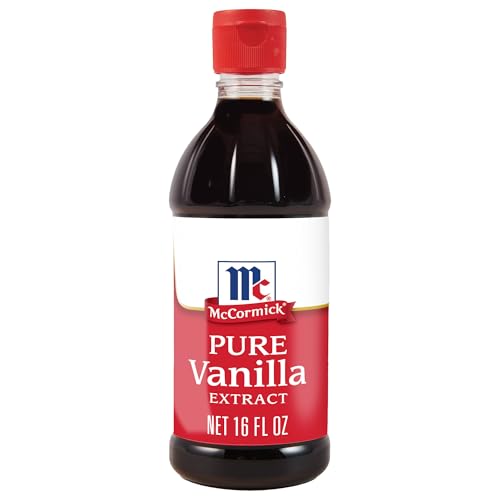
• Preparation Secret: Use a touch of pure vanilla extract to enhance the raspberry flavor subtly.
• Temperature Management: Keep the jam mixture at room temperature while preparing to ensure the pectin activates properly.
• Texture Enhancement: Stir the mixture gently but thoroughly to avoid crushing the raspberries too much, maintaining some fruit integrity.
• Flavor Layering: Add a pinch of cinnamon for a unique depth of flavor.
• Make-Ahead Strategies: Jam can be prepared and frozen in advance, then thawed in the refrigerator overnight before serving.
• Restaurant-Quality Finishing Touches: For a special presentation, top the jam with a few whole raspberries before sealing the jars.
• Equipment Optimization: Ensure your masher has a comfortable grip for efficient use without fatigue.


Troubleshooting Common Issues
• Jam Too Runny: This is often caused by insufficient pectin or improper ratios.
Ensure pectin is fully dissolved and consider adding more if necessary.
• Overly Sweet Flavor: If the jam is too sweet, it may be due to the sugar substitute.
Adjust by adding a bit more lemon juice to balance flavors.
• Lack of Raspberry Flavor: This can occur if the raspberries are not ripe enough.
Use only ripe, flavorful berries for best results.
• Jam Not Setting: Pectin must be mixed thoroughly and evenly.
Check that the pectin is not expired and fully incorporated.
• Freezer Burn: This happens if air enters the container.
Ensure lids are sealed tightly and containers are filled properly.
Variations and Regional Differences
• Traditional British Jam: Uses regular sugar and involves a cooking process for a thicker set.
• French Confiture: Often combines multiple fruits like raspberry and peach for a complex flavor.
• American Canned Jam: Employs canning techniques for shelf stability and often includes higher sugar content.
• Nordic Berry Jam: Incorporates a mix of berries and sometimes includes spices like clove for warmth.
Food Science Behind the Recipe
• Pectin Gelling: Pectin requires acid and sugar to form a gel, which is why lemon juice is added.
Understanding this process helps achieve the desired jam consistency.
• Freezing Preservation: Freezing slows down enzymatic reactions and microbial growth, preserving the jam's freshness.
• Sugar Substitutes: Erythritol and other substitutes interact differently with fruit and pectin compared to sugar.
This affects sweetness perception and requires precise measurement.
Frequently Asked Questions
What's the most common mistake people make when preparing Low-Sugar Raspberry Freezer Jam? The most common mistake is not allowing enough time for maceration, which leads to a less flavorful jam.
Can I use frozen raspberries instead of fresh? Yes, but make sure to thaw and drain them to avoid excess moisture.
How long can the jam be stored in the freezer? The jam can be stored for up to a year if sealed properly.
What can I do if my jam is too runny? You can reheat and add more pectin to achieve the desired consistency.
Is it necessary to use pectin? Yes, for this low-sugar version, pectin is essential to help the jam set.
Can I adjust the sweetness level? Absolutely, adjust the sugar substitute to your taste preference.
Why is my jam cloudy? This can happen if the pectin isn’t fully dissolved.
How do I thaw the jam? Thaw it in the fridge overnight for best texture and flavor.
Serving and Presentation Guide
• Traditional Presentation: Serve the jam in small glass jars with a decorative label for a classic look.
• Elegant Brunch Spread: Pair with fresh scones and clotted cream for a sophisticated breakfast.
• Rustic Picnic Setting: Include the jam as part of a picnic basket with homemade bread and cheese.
• Modern Dessert Topping: Use as a topping for panna cotta or cheesecake for a vibrant finish.
Conclusion
This Low-Sugar Raspberry Freezer Jam is a delightful way to enjoy the taste of summer all year round.
With its vibrant flavor and easy preparation, it's sure to become a staple in your kitchen.
Give this recipe a try and experience the pure joy of homemade jam.
Your taste buds will thank you!