
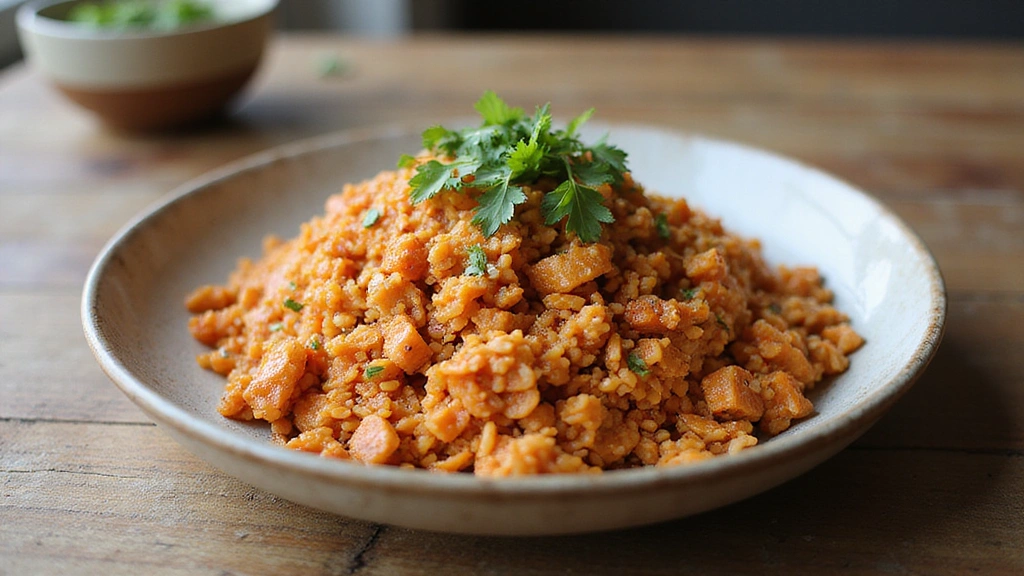
Easy Kimchi Fried Rice is a vibrant and flavorful dish that brings a taste of Korea to your kitchen.
The combination of spicy, tangy kimchi and savory rice creates a delightful balance that tantalizes your taste buds.
I first fell in love with this dish while exploring the bustling streets of Seoul, where street vendors serve it fresh and hot.
Perfect as a quick weeknight meal or a satisfying lunch, this recipe is easy to follow and delivers a comforting bowl of goodness.
The History and Cultural Significance
• Kimchi Fried Rice traces its origins to Korea, where it has been enjoyed as a way to use leftover rice and kimchi.
• The dish evolved over decades as people began adding various ingredients like vegetables, meats, and eggs, becoming a staple in Korean homes.
• In South Korea, this dish traditionally appears at casual family meals and is popular in cafes, symbolizing comfort and resourcefulness.
• While many variations exist across different regions, the authentic version maintains the key characteristic of using well-fermented kimchi for the best flavor.



Recipe Overview
Nutritional Information (per serving)




Ingredients


Essential Equipment Guide
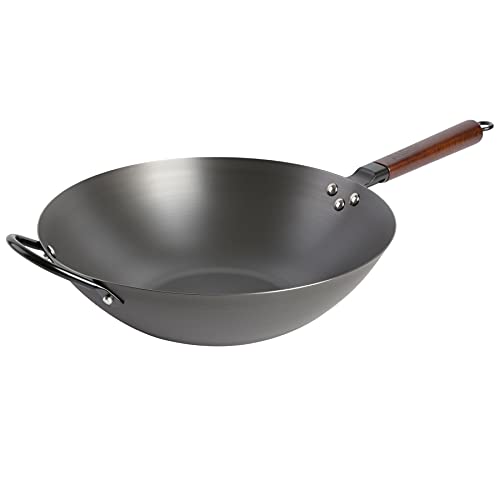
Wok: A wok is essential for achieving the high heat needed for stir-frying, allowing the rice to fry evenly and develop a slight char. Look for a carbon steel wok for the best heat retention and non-stick properties.
Spatula: A sturdy spatula is vital for tossing the rice without breaking it apart. A flat-edged spatula allows you to scrape the bottom of the wok, ensuring even cooking.
Measuring Cups and Spoons: Accurate measurements are crucial for balancing flavors in a dish like this. Using precise measurements helps maintain consistency and ensures the right balance of ingredients.




Preparation Methods
Stir-Frying: This technique involves cooking ingredients quickly over high heat while constantly stirring. It ensures that each component cooks evenly and maintains its texture. Use a well-seasoned wok for the best results.
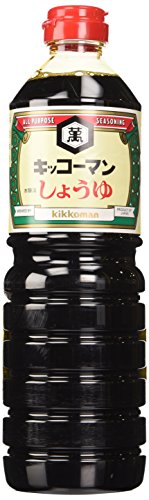
Flavor Balancing: Achieving balance in flavors is crucial, especially with spicy and salty elements like kimchi and soy sauce. Start with a small amount of soy sauce and taste as you go to avoid overpowering the dish.
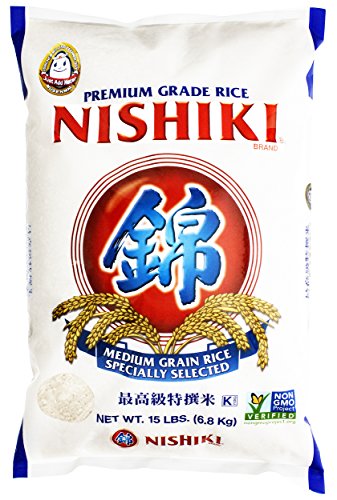
Cooking Rice: Using day-old rice is ideal because it’s drier and less sticky, making it easier to fry. If you must use fresh rice, spread it out on a baking sheet to cool and dry for a while before using.




Step 1: Prepare Ingredients
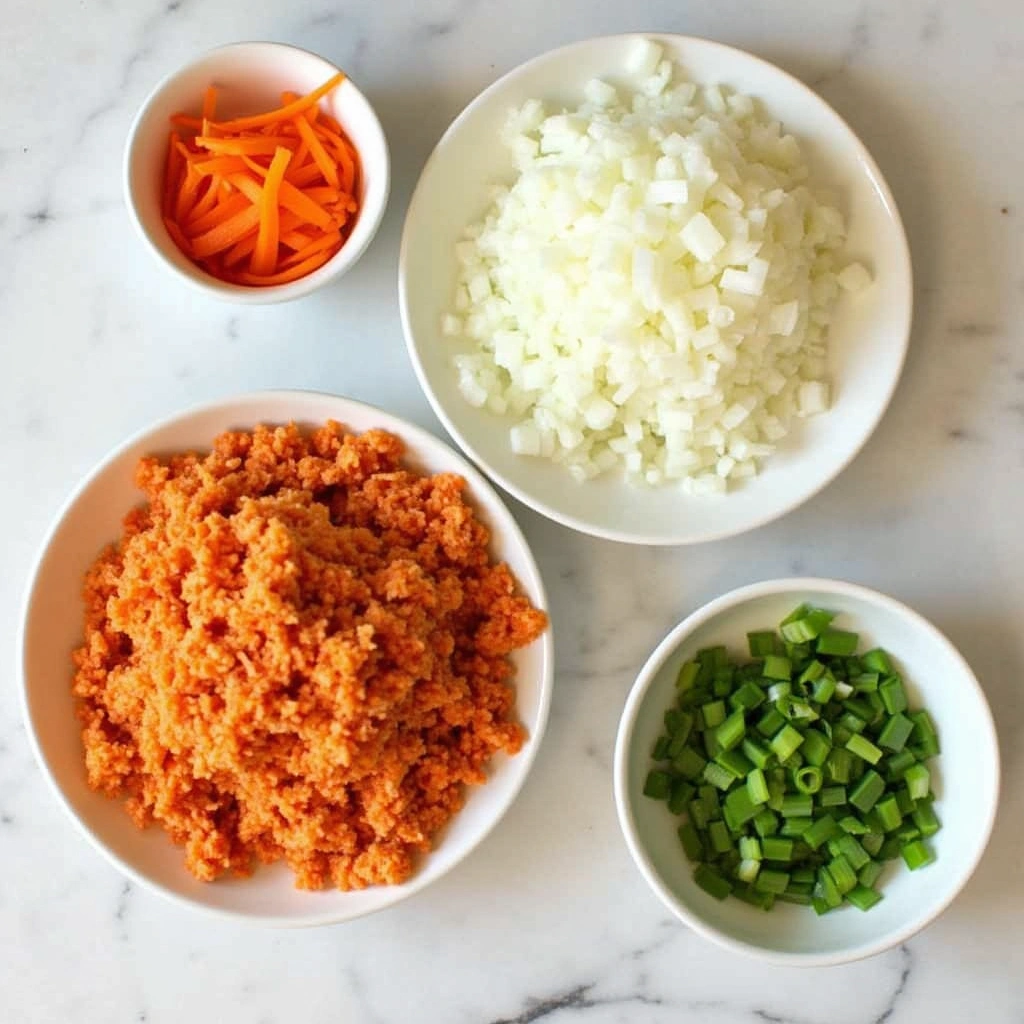
Gather all your ingredients before you start cooking.
Chop the kimchi, onion, and carrot into small pieces for even cooking.
Slice the green onions and set them aside for garnish.
Having everything prepped will make the cooking process smoother.





Step 2: Heat the Wok
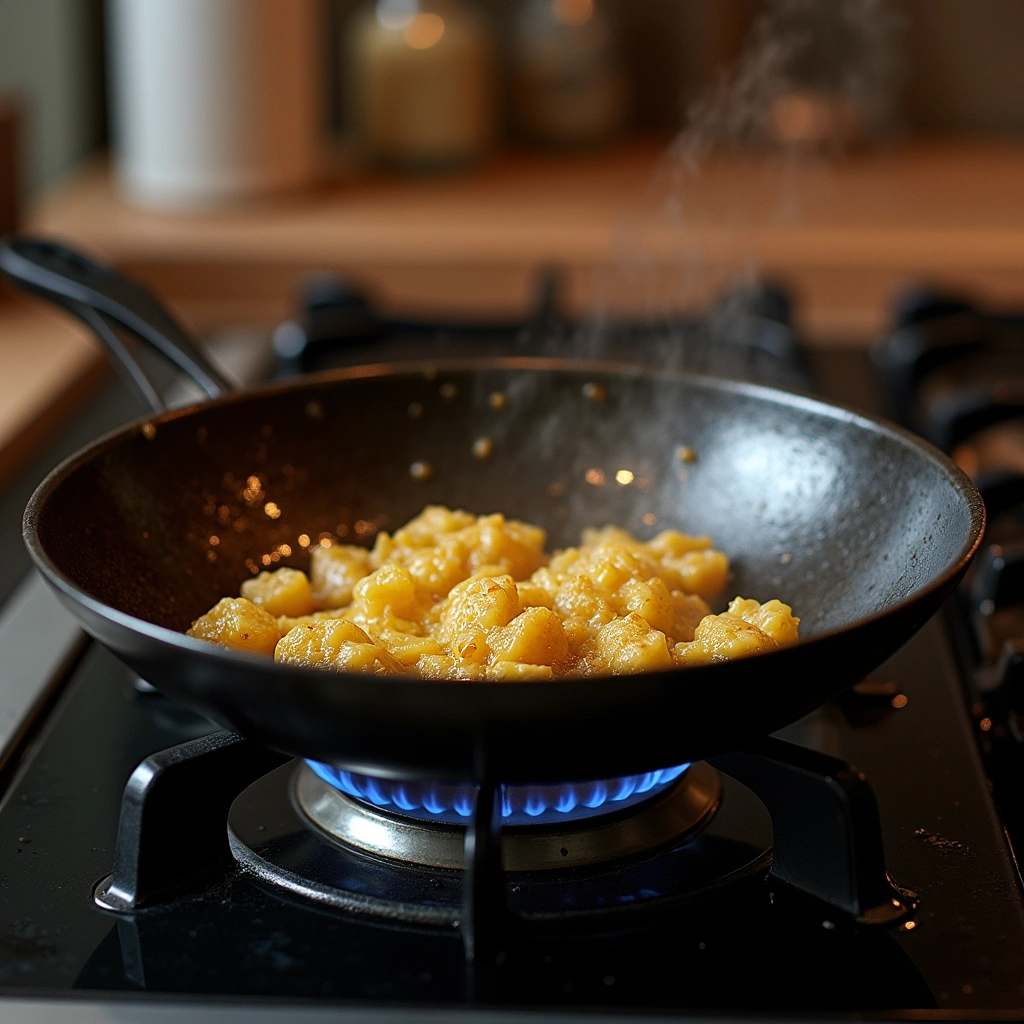
Place your wok on the stove over high heat.
Add vegetable oil and let it heat until shimmering, which indicates it’s ready for stir-frying.
Be careful not to let the oil smoke, as it can impart a burnt flavor.
You want a hot surface to achieve a nice sear on the rice.





Step 3: Sauté Vegetables
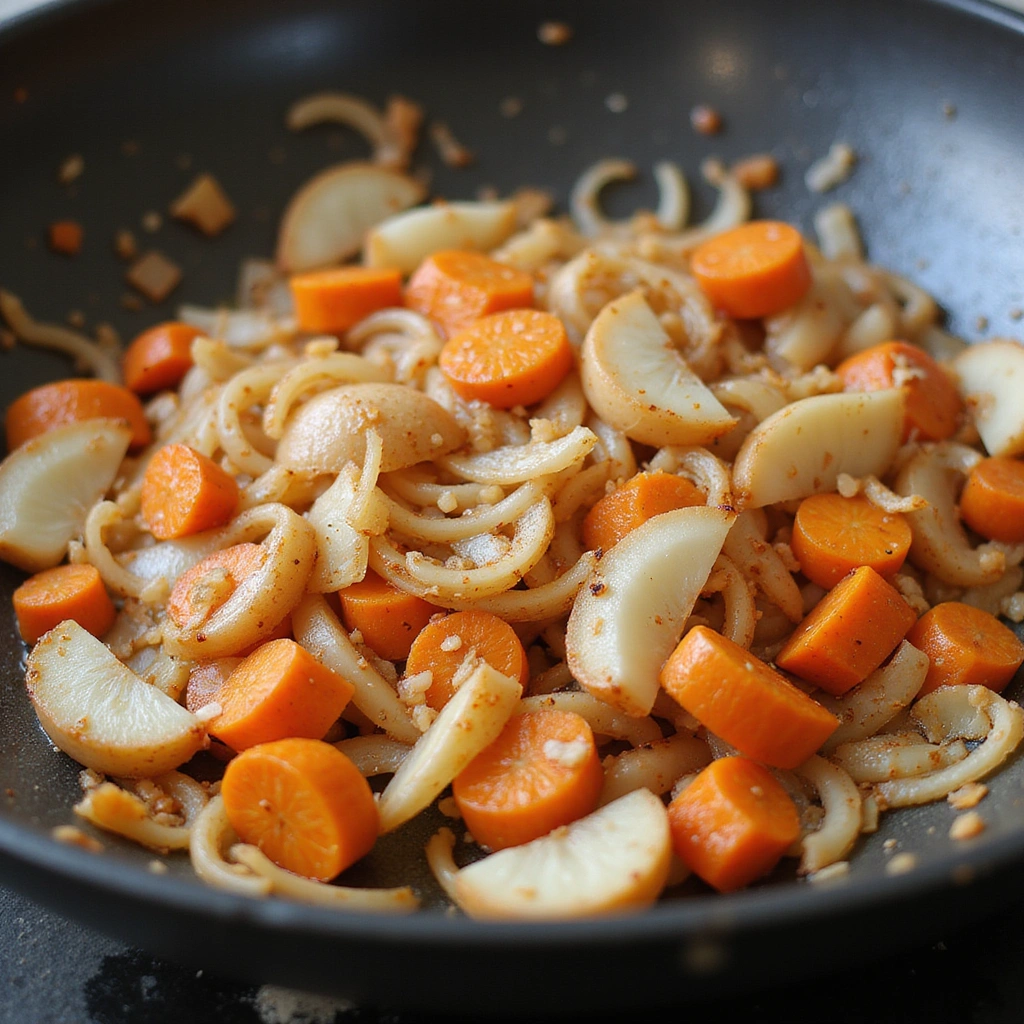
Add the diced onion to the hot wok and stir-fry for about 2 minutes until translucent.
Next, add the julienned carrot and stir for another minute to soften.
Make sure to keep the vegetables moving to avoid burning.
This step builds the base flavor for the fried rice.
Step 4: Incorporate Kimchi
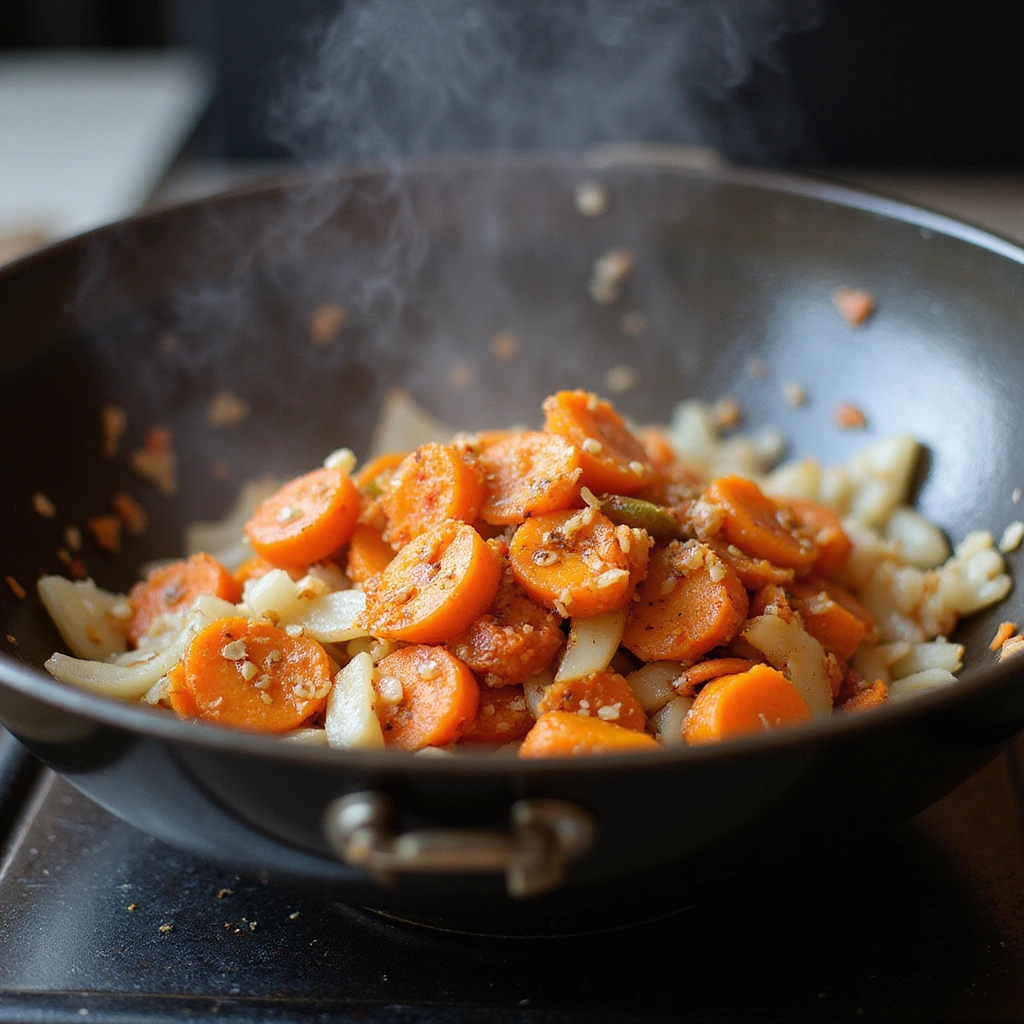
Add the chopped kimchi to the wok and stir-fry for 2-3 minutes.
This allows the kimchi to cook down and release its flavors into the vegetables.
Watch for the kimchi to become fragrant and slightly caramelized.
This step is crucial for infusing the dish with that signature tangy flavor.
Step 5: Add Rice

Add the cooked rice to the wok, breaking up any clumps as you mix.
Stir everything together to combine the ingredients well and ensure the rice is heated through.
Look for the rice to start browning slightly, which adds depth of flavor.
This step is key to achieving that delicious, fried texture.
Step 6: Season the Rice
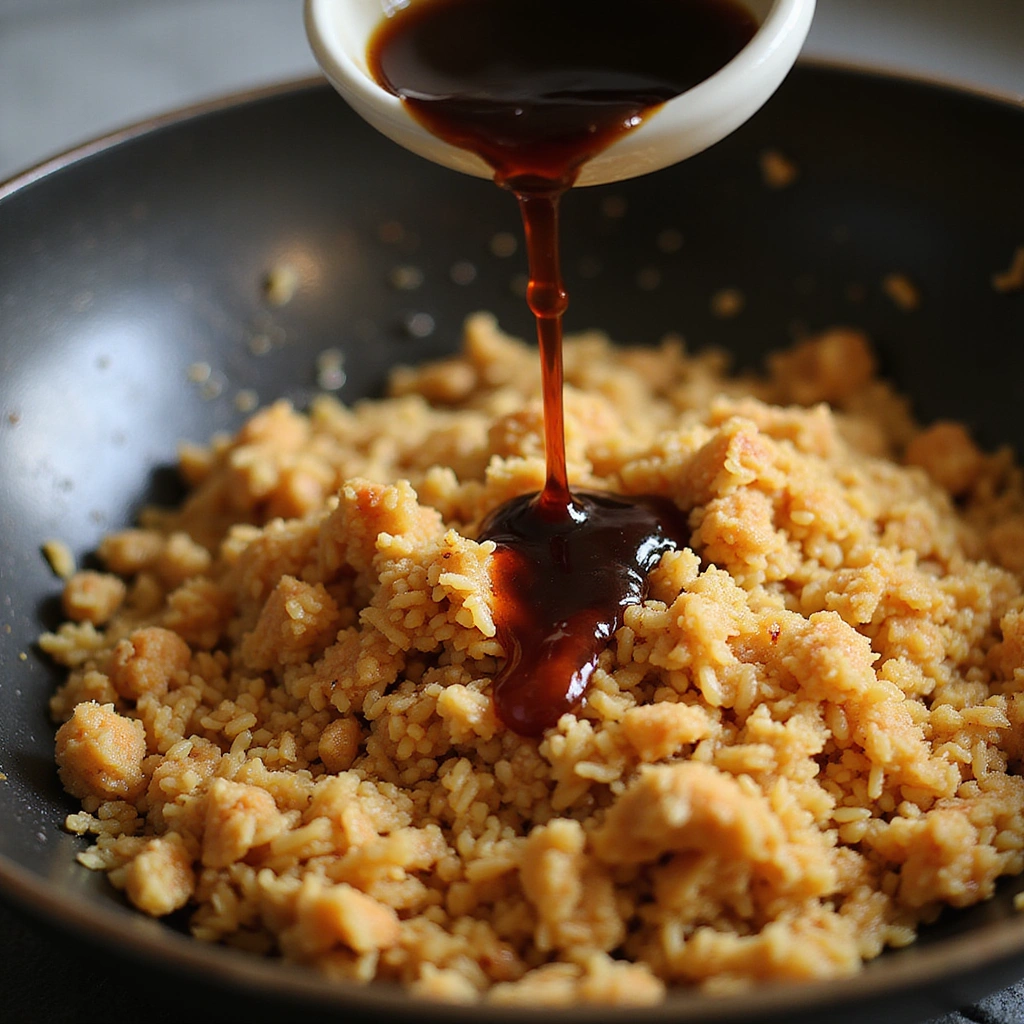
Pour in the soy sauce and sesame oil over the rice mixture.
Add gochujang for an extra kick of heat, if using.
Toss everything well to evenly distribute the flavors.
This step brings all the elements together for a harmonious flavor profile.
Step 7: Add Eggs (Optional)
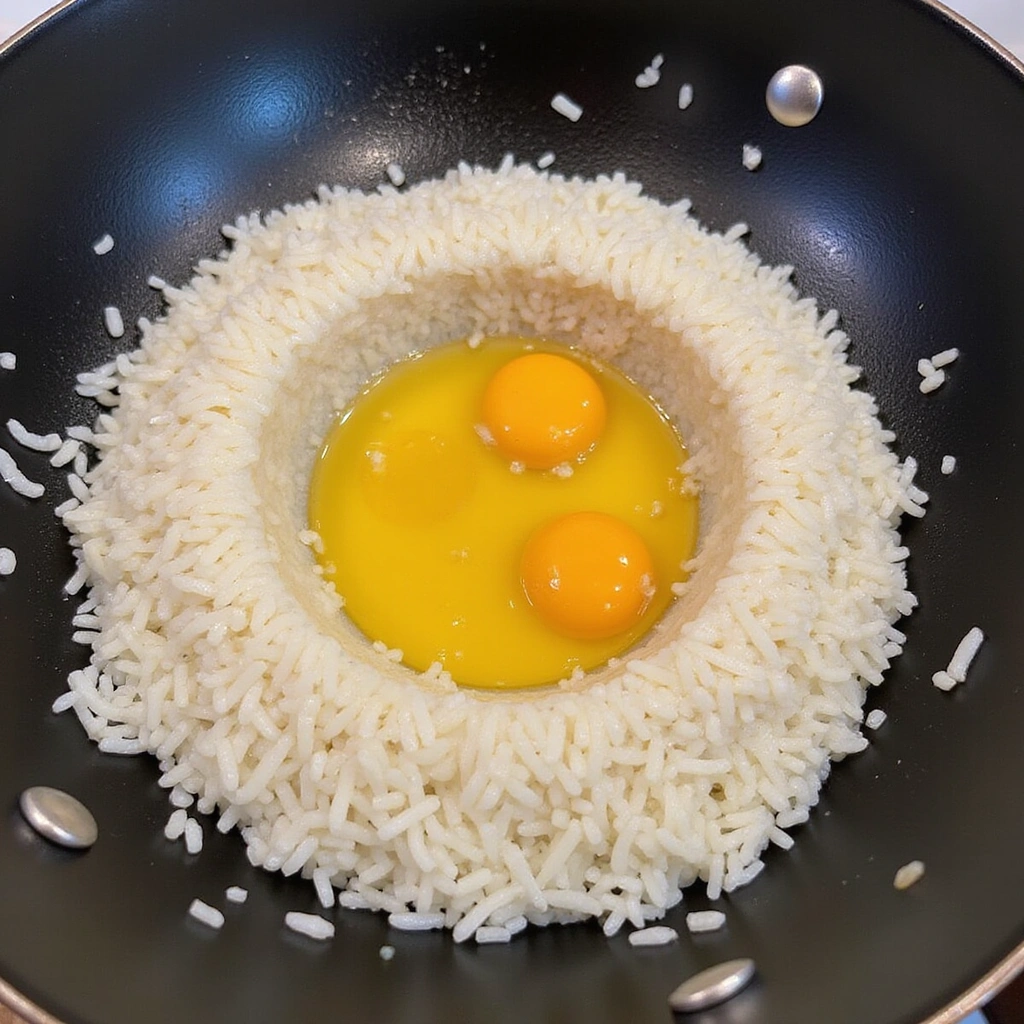
If using eggs, create a well in the center of the rice and pour in the beaten eggs.
Scramble the eggs gently until cooked through, then mix them into the rice.
Ensure the eggs are fully incorporated for added richness.
This step enhances the dish’s protein content and creaminess.
Step 8: Final Touches
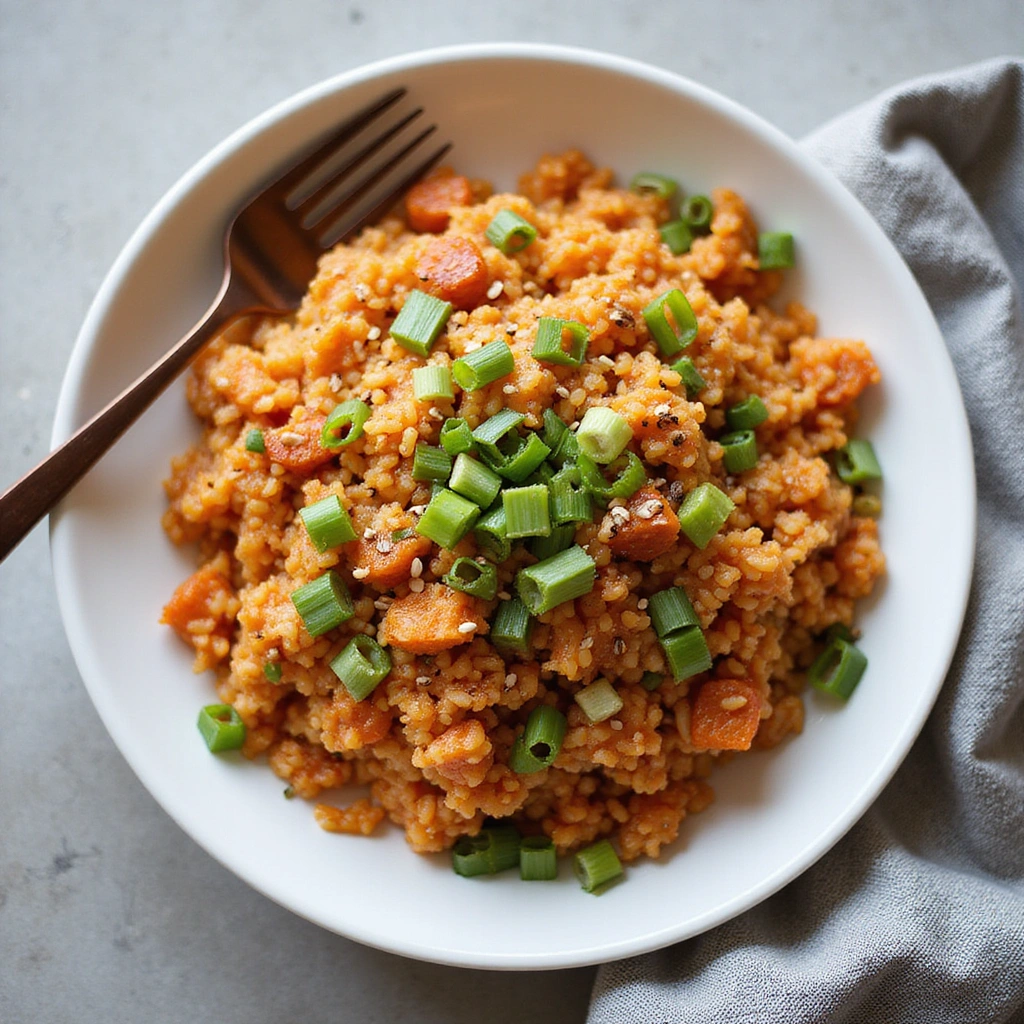
Taste the fried rice and adjust seasoning as needed, adding more soy sauce or gochujang.
Stir in the sliced green onions just before serving for freshness.
Look for a well-balanced flavor that is savory and slightly spicy.
This final step ensures the dish is vibrant and full of life.
Step 9: Serve and Enjoy
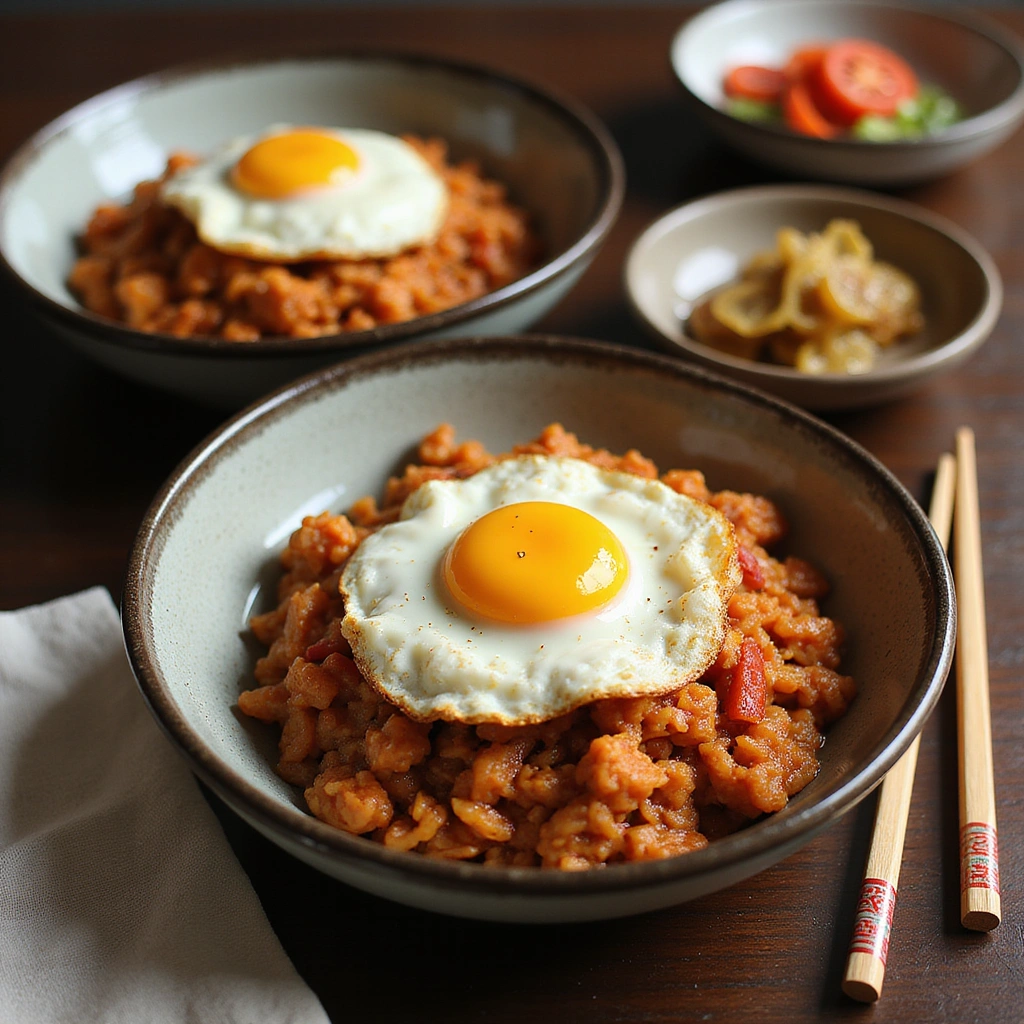
Scoop the kimchi fried rice into bowls and serve hot.
Consider adding a fried egg on top for a traditional touch.
Pair it with pickled vegetables for added crunch and flavor.
Enjoy this comforting dish with chopsticks or a fork.



Critical Timing and Temperature Guide
Stir-Frying Vegetables: Aim for 2-3 minutes over high heat. Vegetables should be tender yet crunchy, and avoid browning too much. If they burn, lower the heat slightly.
Cooking the Rice: Stir-fry for about 5-7 minutes until the rice is heated through and slightly crispy. Look for a slight browning on the rice. If it’s too soft, increase the heat.
Final Seasoning: Taste the rice after adding seasonings and adjust as necessary. You want a well-balanced flavor; if it tastes bland, add more soy sauce or kimchi.
Pro Tips for Kimchi Fried Rice
• Ingredient Selection: Use high-quality kimchi for the best flavor; homemade or artisanal brands often provide richer tastes.
• Preparation Secret: Consider chilling freshly cooked rice before frying; this helps achieve a better texture.
• Temperature Management: Ensure your wok is very hot before adding ingredients to prevent steaming rather than frying.
• Texture Enhancement: For a crunchier texture, allow rice to sit undisturbed for a minute to form a slight crust.
• Flavor Layering: Add a splash of vinegar alongside the soy sauce to enhance the umami notes of the dish.
• Make-Ahead Strategies: Prep all vegetables and store them in the fridge; they can be mixed in right before cooking.
• Restaurant-Quality Finishing Touches: Finish with sesame seeds and fresh herbs for an elevated presentation.
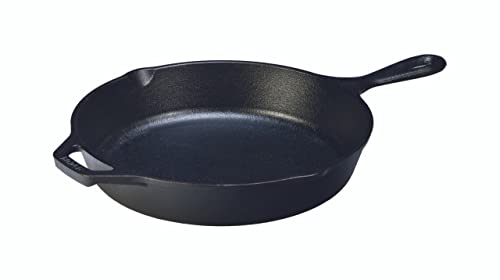
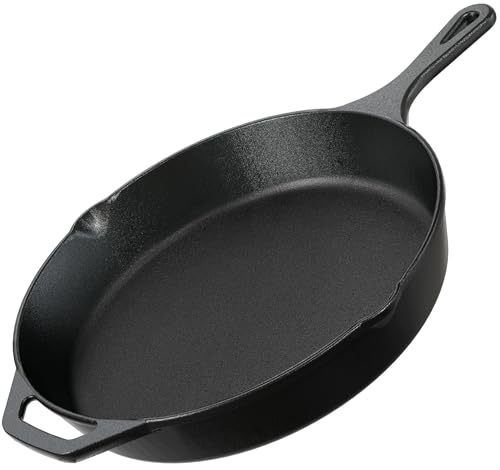
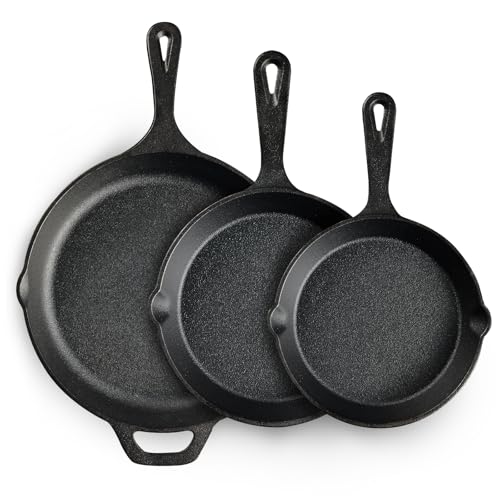
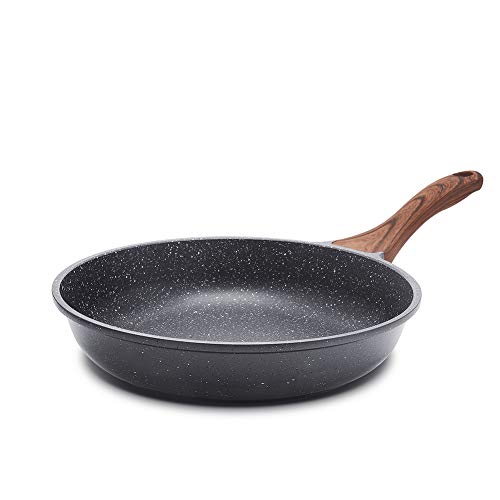
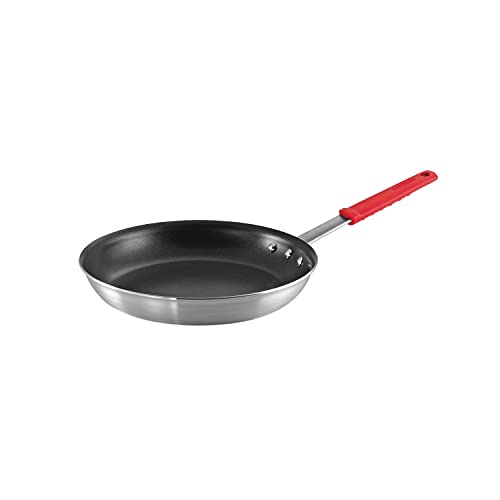
• Equipment Optimization: If you don’t have a wok, a large skillet can work; just ensure it has high sides.



Troubleshooting Common Issues
• Rice Too Sticky: This can happen if fresh rice is used. To fix, spread the rice on a baking sheet to cool and dry before using next time.
• Flavors Unbalanced: If the dish tastes bland, add more soy sauce or kimchi gradually until the flavor is enhanced.
• Vegetables Overcooked: Keep an eye on cooking time; if they’re mushy, reduce cooking time next time.
• Too Spicy: If it turns out too spicy, add a bit of sugar or more rice to balance the heat.
• Rice Not Crisping: Ensure the wok is hot enough at the start, and avoid overcrowding the pan; fry in batches if necessary.



Variations and Regional Differences
• Jeonju Bibimbap Style: This variation includes a mix of vegetables and a raw egg on top, served with gochujang.
• Yangzhou Fried Rice: A fusion version that incorporates shrimp and peas, adapting kimchi fried rice with Chinese influences.
• Vegan Kimchi Fried Rice: Replace eggs and meat with tofu or tempeh for a delicious plant-based version.
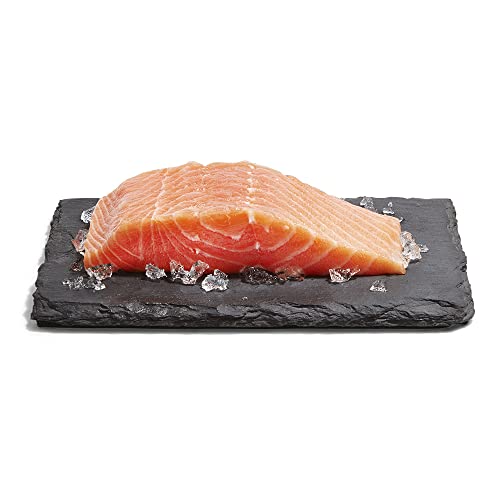
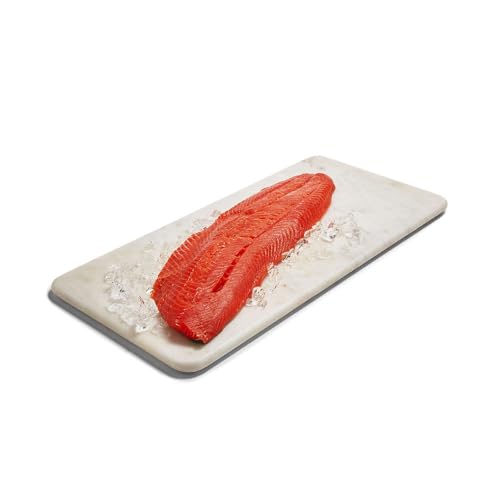
• Modern Interpretations: Some chefs add ingredients like avocado or smoked salmon for a contemporary twist.




Food Science Behind the Recipe
• Maillard Reaction: This chemical reaction between amino acids and sugars gives fried rice its distinctive flavor and color. The high heat in the wok promotes this reaction, enhancing taste.
• Fermentation**: The fermentation process in kimchi creates complex flavors and probiotics that can enhance gut health. The longer the kimchi ages, the more intense its flavor becomes.
• Texture Development: The technique of stir-frying at high temperatures helps achieve a crispy texture by drying out the exterior of the rice grains while keeping the inside fluffy.
Frequently Asked Questions
What’s the most common mistake people make when preparing Kimchi Fried Rice? The most common mistake is using fresh, sticky rice instead of day-old rice, which results in a mushy dish. Always try to use rice that has been cooled and dried out.
Can I prepare components of this dish in advance? Yes, you can chop vegetables and kimchi ahead of time; store them in the fridge for up to 2 days. Prepare rice a day before for the best texture.
How do I adapt this recipe for dietary restrictions? To make it gluten-free, use tamari instead of soy sauce; for vegan options, skip the eggs and use tofu instead.
What’s the best way to store and reheat leftovers? Store in an airtight container in the fridge for up to 3 days. Reheat in a pan over medium heat, adding a splash of water to prevent drying out.
Can I freeze this dish? Yes, freeze in an airtight container for up to 3 months. Thaw overnight in the fridge and reheat thoroughly before serving.
What wine or beverages pair best with this dish? A crisp white wine like Sauvignon Blanc or a light beer complements the spiciness of the kimchi.
How can I scale this recipe up for a crowd? For larger portions, simply multiply the ingredients by the number of servings needed, ensuring your cooking vessel is large enough to accommodate everything without overcrowding.
What side dishes complement this recipe best? Serve with pickled vegetables, steamed dumplings, or a simple cucumber salad for refreshing contrast.
How do professional chefs elevate this dish for restaurant service? Chefs often add a drizzle of high-quality sesame oil and serve with a perfectly cooked fried egg on top for visual appeal.
Serving and Presentation Guide
• Traditional Presentation: Serve kimchi fried rice in a deep bowl topped with a fried egg and a sprinkle of sesame seeds. Use a simple, rustic dishware that reflects Korean culture.
• Modern Plating Ideas: Consider using a wide, shallow plate for a contemporary look, adding edible flowers or microgreens for color.
• Accompaniment Suggestions: Pair with traditional banchan like pickled radishes or spicy cucumber salad to enhance the meal.
• Special Occasion Presentation: Create a layered presentation by serving the fried rice in individual cast-iron skillets, garnished with fresh herbs and served directly from the oven.


Conclusion
Easy Kimchi Fried Rice is a delightful dish that brings a taste of Korea right to your table.
With its rich flavors and simple preparation, it’s perfect for any occasion.
I hope you give this recipe a try and enjoy every bite of this comforting meal.