
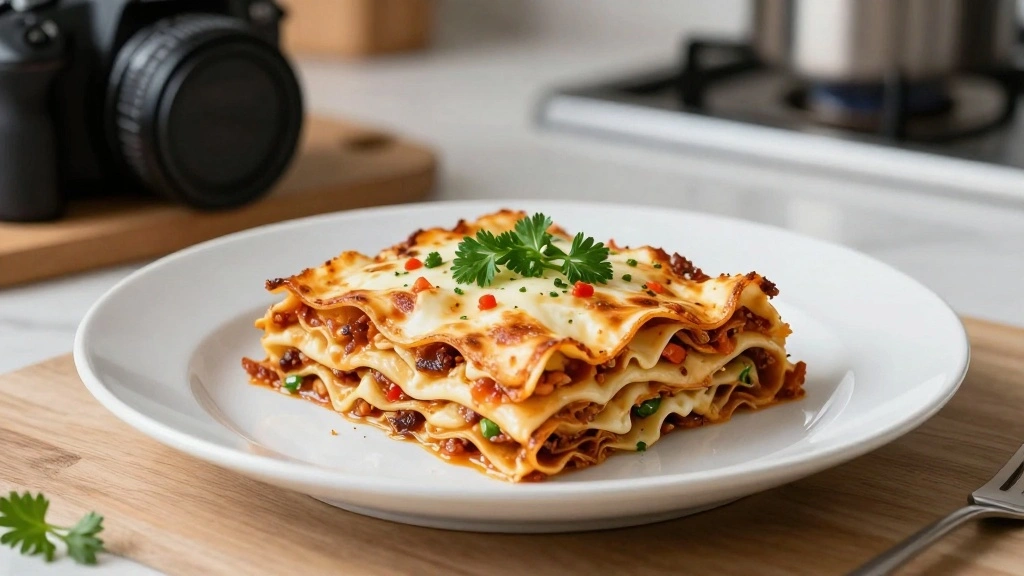
Lasagna is a classic Italian dish that warms both the heart and the soul.
Its layers of rich meat sauce, creamy béchamel, and perfectly cooked pasta make it a staple in many households.
I first fell in love with lasagna during a family gathering where my grandmother shared her cherished recipe.
Whether you’re cooking for a weeknight dinner or a festive occasion, freezing lasagna allows you to enjoy this delicious dish at any time with minimal effort.
In this guide, I’ll share the most effective methods for freezing lasagna without compromising its flavor and texture.
The History and Cultural Significance
• Lasagna traces its origins to Ancient Greece and Rome, where layers of pasta were used in various dishes.
• The dish evolved over decades as tomatoes were introduced to Italy in the 16th century, leading to the addition of tomato sauce in lasagna.
• In Italian culture, this dish traditionally appears at family gatherings and holidays, symbolizing warmth and togetherness.
• While many variations exist across different regions, the authentic version maintains its distinct layers of pasta, sauce, and cheese that sets it apart from imitations.


Recipe Overview
Nutritional Information




Essential Equipment Guide
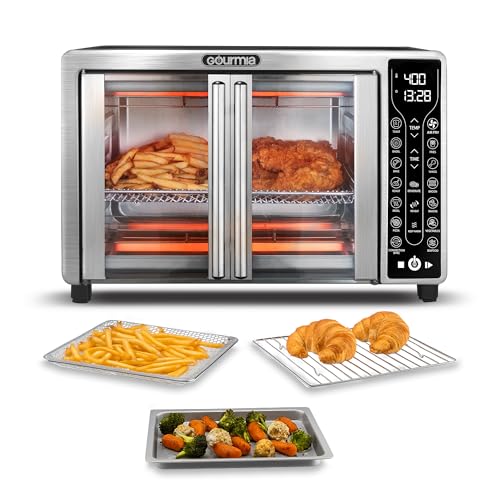
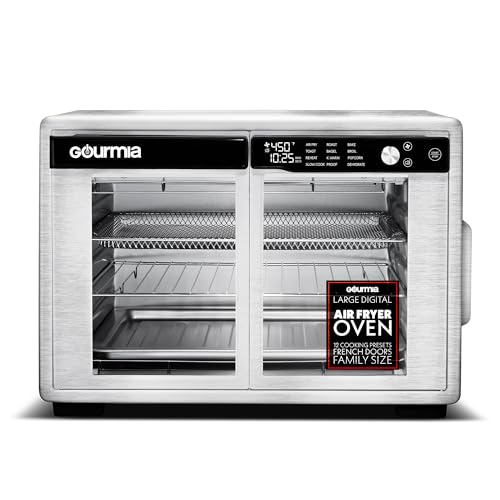
Baking Dish: A sturdy, oven-safe baking dish is crucial for even cooking and easy freezing. Look for materials like glass or ceramic, which distribute heat evenly and are freezer-friendly.
Aluminum Foil: This versatile tool helps seal in moisture and prevent freezer burn. Use heavy-duty foil for best results, and consider alternatives like parchment paper for additional layering.
Plastic Wrap: Essential for tightly covering the dish before freezing, preventing air exposure. Ensure you use a wrap that’s labeled freezer-safe to avoid sticking.


Ingredients
For the Meat Sauce
|
|
| Amount | Ingredient | Notes |
|---|---|---|
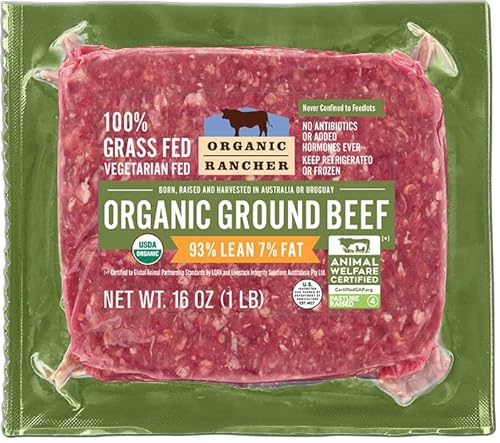
| 1 pound | ground beef | adds savory richness |
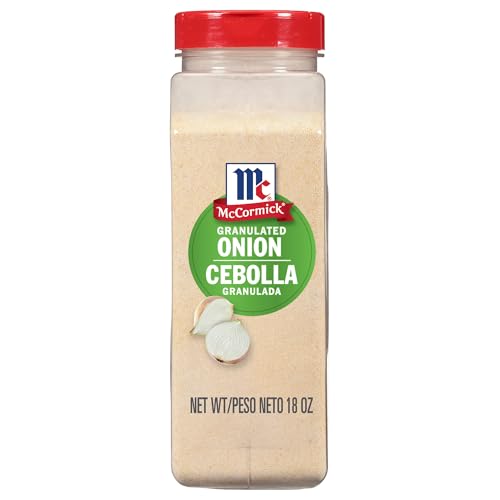
| 1 medium | onion | finely chopped, for depth of flavor |
For the Cheese Layer
| Amount | Ingredient | Notes |
|---|---|---|
| 2 cups | ricotta cheese | creamy texture |
| 1 cup | grated parmesan | sharpness |
Noodles
| Amount | Ingredient | Notes |
|---|---|---|
| 12 pieces | lasagna noodles | cooked al dente |
Seasonings
| Amount | Ingredient | Notes |
|---|---|---|
| 1 teaspoon | dried oregano | adds aromatic flavor |
| 1 teaspoon | salt | enhances overall taste |



Preparation Methods
Layering Technique: The art of layering is crucial in lasagna, ensuring each bite has a balance of pasta, sauce, and cheese. Start with a thin layer of sauce, then noodles, followed by cheese, repeating until the dish is full. Mastery of this technique ensures even baking and a harmonious blend of flavors.
Noodle Preparation: Cooking noodles to al dente prevents them from becoming mushy after freezing. Boil them with a touch of salt and oil, rinse under cold water to stop cooking, and pat dry to remove excess moisture.
Freezing Method: This technique involves cooling the lasagna completely before freezing to prevent ice crystals from forming. It maintains texture and flavor. Wrap tightly in plastic and foil, ensuring no air pockets.



Step 1: Prepare Ingredients
Gather all your ingredients and ensure they are measured accurately.
Chop the onion finely and set aside.
Boil the lasagna noodles until al dente and rinse under cold water.
Pat the noodles dry with a clean towel to remove excess moisture.




Step 2: Make the Meat Sauce
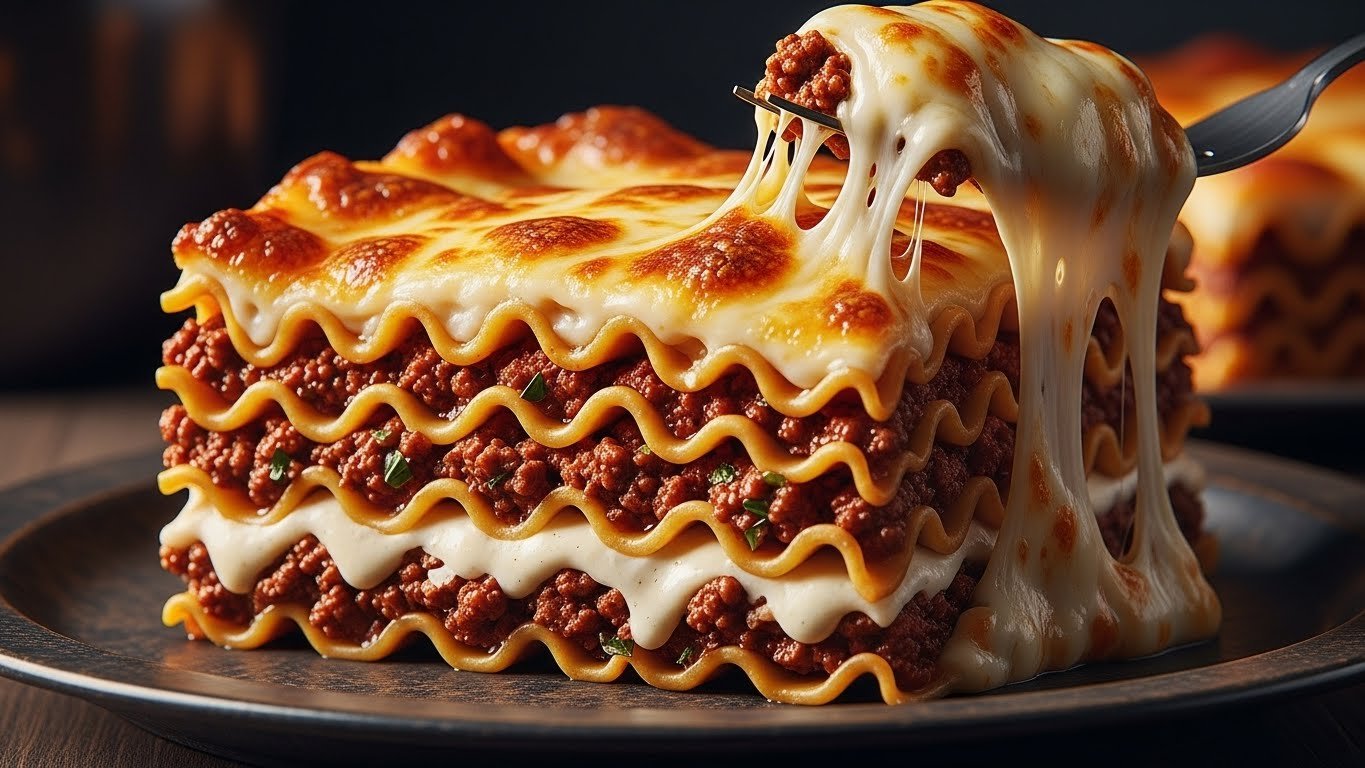
Heat a pan over medium heat and add the ground beef.
Cook until browned, breaking it up as it cooks.
Add the chopped onion and sauté until translucent.
Stir in oregano and salt, blending flavors together.


Step 3: Assemble the Lasagna
Preheat your oven to 375°F (190°C).
Spread a thin layer of meat sauce on the bottom of the baking dish.
Place a single layer of noodles over the sauce, followed by a layer of ricotta and parmesan cheese.
Repeat the layering process until all ingredients are used, finishing with a cheese layer.
Step 4: Bake the Lasagna
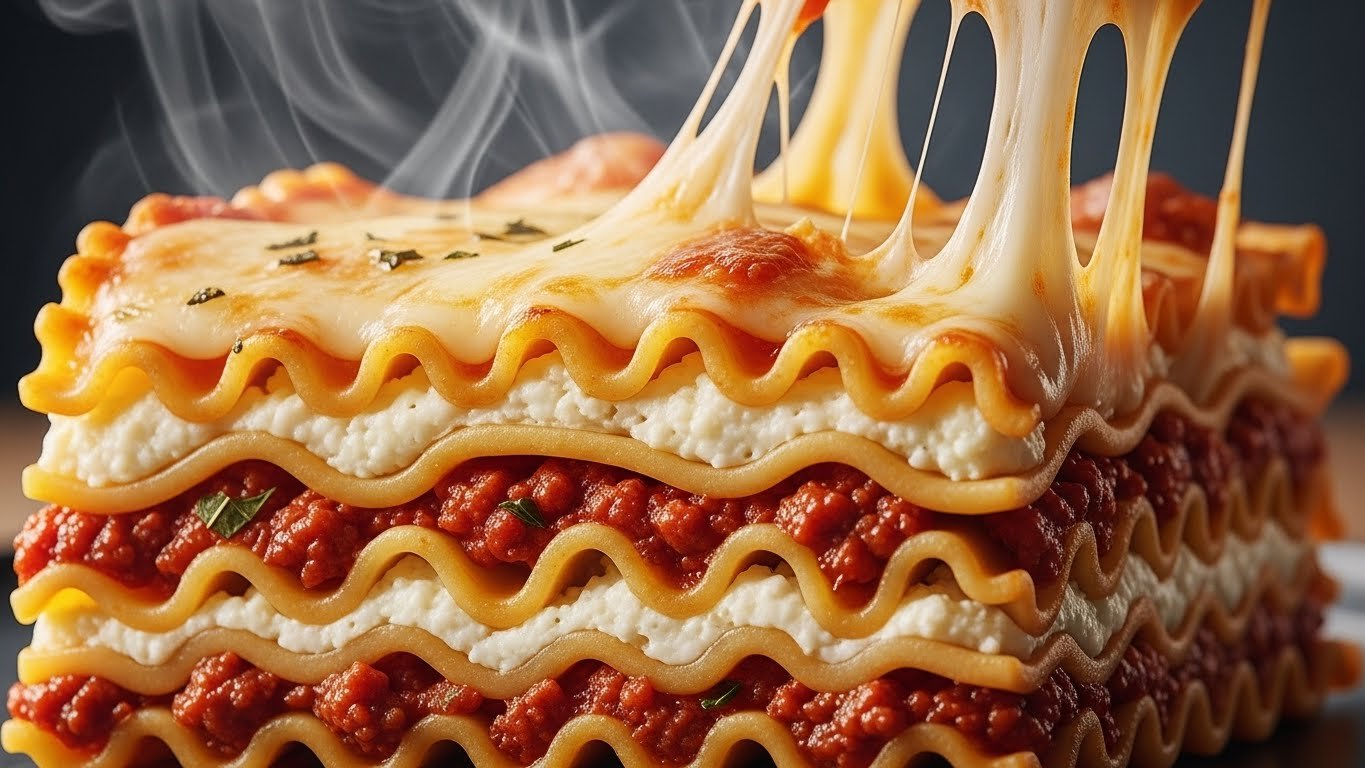
Cover the assembled lasagna with aluminum foil.
Place it in the preheated oven and bake for 45 minutes.
Remove the foil and bake for an additional 15 minutes to brown the top.
Check for bubbling edges and a golden cheese layer.
Step 5: Cool the Lasagna
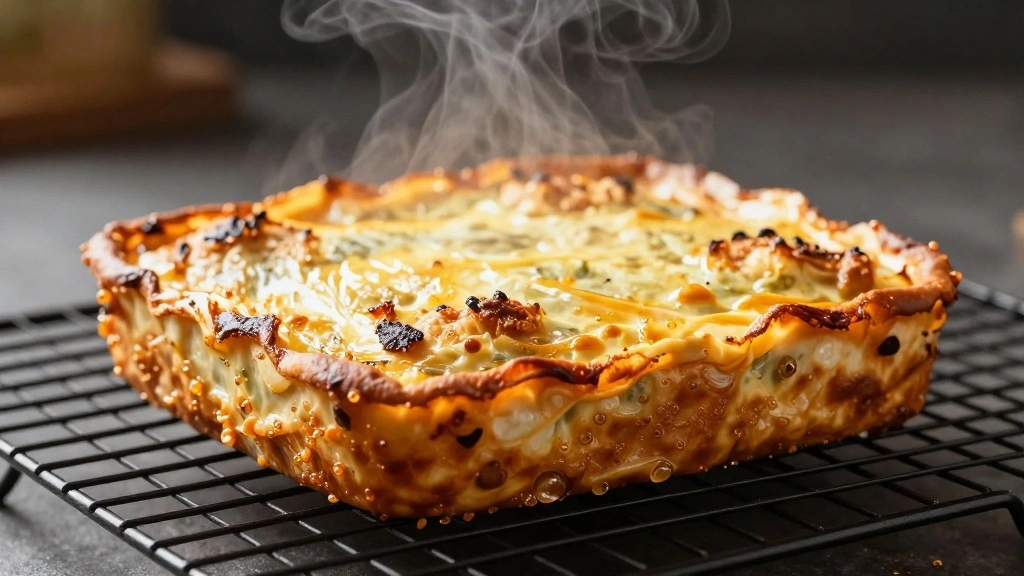
Allow the lasagna to cool at room temperature for at least 30 minutes.
This cooling step is crucial to prevent ice crystals during freezing.
Ensure the dish is not too hot to touch before proceeding.
Check the center to ensure it has cooled evenly.
Step 6: Prepare for Freezing
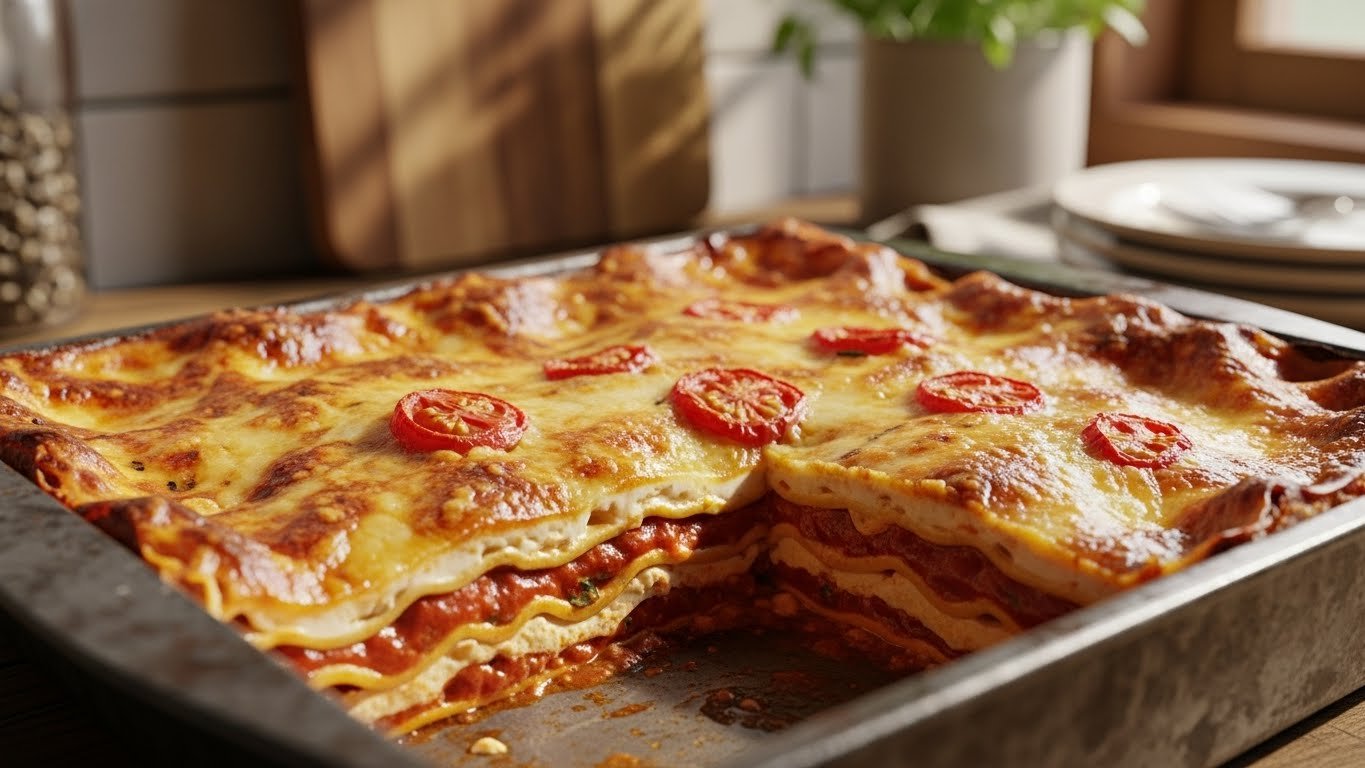
Cover the entire baking dish with plastic wrap, pressing it against the surface of the lasagna.
Add a layer of aluminum foil over the plastic wrap for additional protection.
Label the dish with the date and contents for easy identification.
Ensure the wrap is tight with no air pockets.
Step 7: Freeze the Lasagna
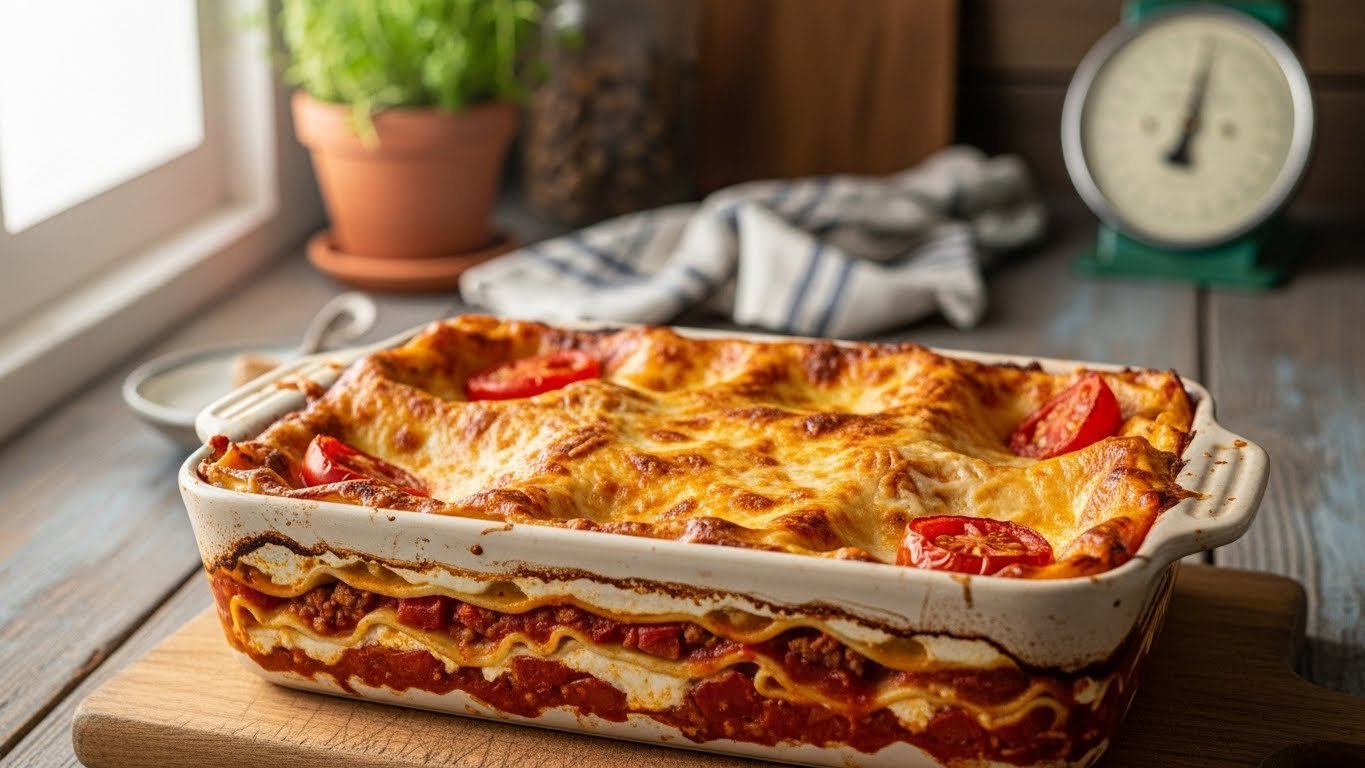
Place the wrapped lasagna in the freezer on a flat surface.
Ensure it is not tilted to prevent spilling.
Leave space around it for air circulation to freeze evenly.
Check the freezer temperature to ensure it is at 0°F (-18°C) or below.
Step 8: Reheat the Lasagna
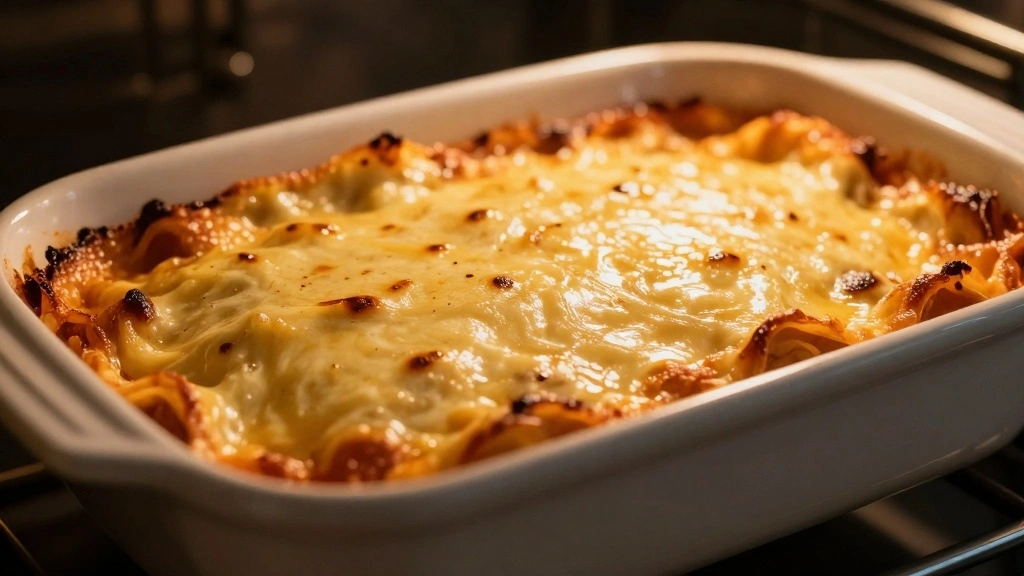
Preheat the oven to 375°F (190°C) when ready to serve.
Remove the lasagna from the freezer and unwrap the foil and plastic wrap.
Place it back in the baking dish and cover loosely with foil.
Bake for 1 hour, removing the foil in the last 15 minutes to brown the cheese.
Critical Timing and Temperature Guide
Cooking the Meat Sauce: Brown the meat for approximately 10 minutes on medium heat, ensuring it is fully cooked before adding onions. Look for a uniform brown color and no pink remaining.
Baking the Assembled Lasagna: Bake for 60 minutes, starting covered and finishing uncovered. Look for bubbling edges and a golden top. Avoid over-baking, which can dry it out.
Freezing: Ensure the lasagna is cooled to room temperature before freezing, taking at least 30 minutes. Avoid placing hot lasagna in the freezer, which can raise the freezer's temperature and affect other items.
Pro Tips for How to Freeze
• Ingredient Selection: Choose high-quality ricotta cheese for creaminess, as it significantly impacts the final texture and flavor.
• Preparation Secret: Allow the lasagna to cool completely before freezing, which prevents ice crystals and maintains texture.
• Temperature Management: Ensure the freezer is set to 0°F (-18°C) to preserve freshness and prevent spoilage.
• Texture Enhancement: Use a blend of cheeses to add complexity and prevent a one-note flavor.
• Flavor Layering: Season each component well, particularly the meat sauce, to ensure each bite is flavorful.
• Make-Ahead Strategies: Prepare the meat sauce in advance and store it in the fridge for up to 3 days before assembling.
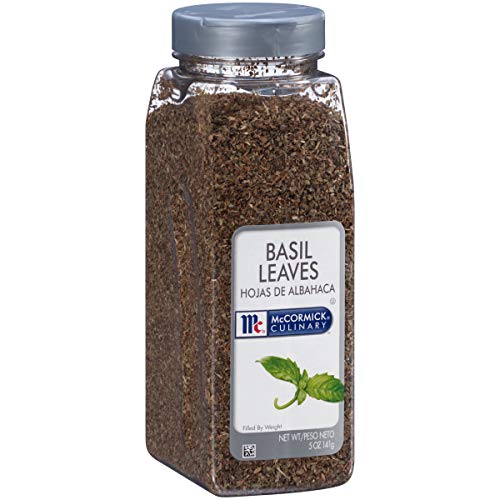
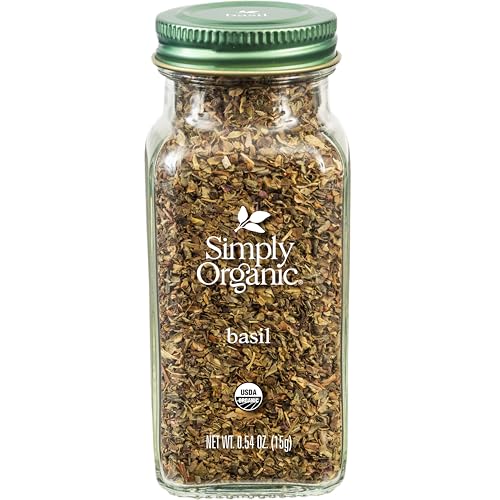
• Restaurant-Quality Finishing Touches: Before serving, sprinkle fresh herbs like basil or parsley for a burst of color and freshness.
• Equipment Optimization: Use a sharp knife for clean slices, which helps in serving neat portions.


Troubleshooting Common Issues
• Texture Too Dense: Caused by overcooked noodles or insufficient sauce. Recognize by dry layers and prevent by cooking noodles al dente and ensuring plenty of sauce.
• Flavors Unbalanced: Often due to under-seasoning. Taste components as you prepare them and adjust seasonings as needed.
• Cheese Not Melting Properly: Results from using low-moisture cheese. Choose fresh, high-moisture cheeses for better melting.
• Freezer Burn: Happens when lasagna is not wrapped tightly. Ensure all air is pressed out from the wrapping before freezing.
• Soggy Bottom Layer: Caused by excess moisture. Drain cooked noodles well and pat dry before layering.
Variations and Regional Differences
• Neapolitan Variation: Uses a combination of meats such as pork and beef, with layers of boiled eggs and ricotta.
• Sicilian Style: Incorporates eggplant, sometimes replacing the noodles entirely for a vegetable-based dish.
• American Variation: Often includes additional cheese layers like mozzarella and cheddar for extra creaminess.
• Vegetarian Option: Replaces meat with a hearty vegetable sauce, including mushrooms, spinach, and zucchini.


Food Science Behind the Recipe
• Emulsification: The process of blending fats with water in the cheese layer creates a creamy texture, crucial for smooth, even layers.
• Maillard Reaction: Browning the meat and cheese develops complex flavors and aromas, enhancing the overall taste of the dish.
• Freezing Process: Slows down enzymatic reactions and microbial growth, preserving the dish's flavor and texture over time.
Frequently Asked Questions
What's the most common mistake people make when preparing lasagna? Overcooking the noodles, which leads to a mushy texture. Cook them al dente to prevent this.
Can I freeze lasagna in individual portions? Yes, you can freeze in smaller, individualized portions for easy reheating.
How long can lasagna be stored in the freezer? Properly stored, it can last up to 3 months in the freezer.
Is it necessary to thaw lasagna before reheating? No, you can reheat it directly from frozen, but it may take a little longer.
How do I prevent freezer burn? Wrap the lasagna tightly with plastic wrap and foil, ensuring no air pockets.
Can I use gluten-free noodles? Yes, gluten-free noodles work well, just ensure they are cooked according to package directions.
What can I do if my lasagna is too watery? Use less sauce or drain excess liquid from cooked vegetables before layering.
Serving and Presentation Guide
• Traditional Presentation: Serve in the baking dish, allowing guests to cut portions as desired.
• Individual Plating: Slice and plate each portion neatly, garnishing with fresh herbs for a touch of color.
• Family-Style: Present on a large serving platter, with a side of extra sauce for guests to add as they wish.
• Rustic Style: Serve in a cast-iron dish, bringing a homely, rustic feel to the table.
Conclusion
Freezing lasagna allows you to enjoy a classic Italian dish with minimal effort whenever the craving strikes.
By following the steps outlined in this guide, you can preserve the delicious flavors and textures of a freshly made lasagna.
Experiment with the variations and tips to make this dish your own, creating a comforting meal for any occasion.