

Garlic noodles bring a delightful blend of flavors that can elevate any meal with their simplicity and richness.
The combination of garlic, butter, and umami-rich sauces creates a dish that is both comforting and indulgent.
I first stumbled upon this recipe during a visit to a bustling Vietnamese restaurant, where the aroma of garlic and butter wafted through the air, captivating my senses.
Perfect for a quick weeknight dinner or a fancy dinner party, these garlic noodles are sure to impress your family and friends.
The History and Cultural Significance
• Garlic noodles trace their origins to Vietnam, where they were originally created by Vietnamese immigrants in the United States during the 1980s.
• The dish evolved over decades as it incorporated influences from Italian cuisine, leading to the rich, buttery flavor profile we enjoy today.
• In Vietnamese culture, this dish traditionally appears at family gatherings and celebrations, symbolizing home-cooked comfort and connection.
• While many variations exist across different regions, the authentic version maintains a balance of garlic and butter that sets it apart from imitations.


Recipe Overview
Nutritional Information (per serving)




Ingredients


Essential Equipment Guide
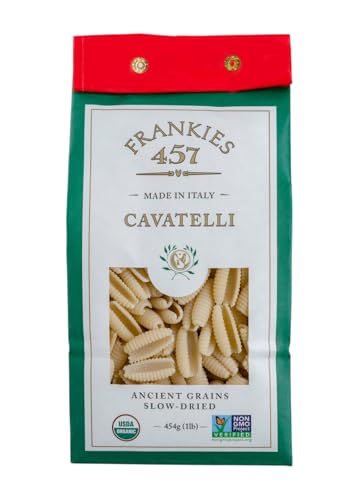
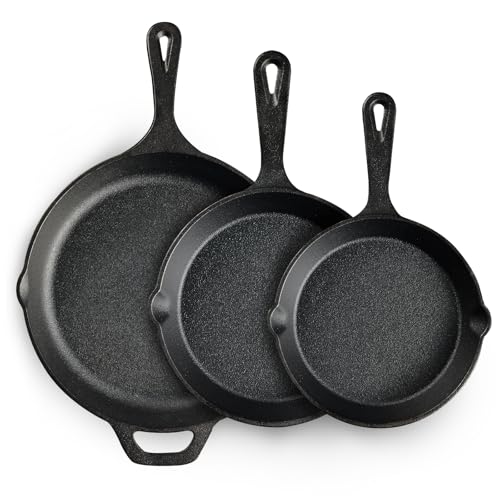
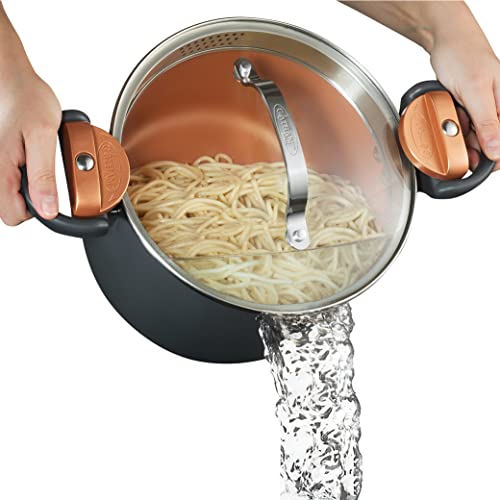
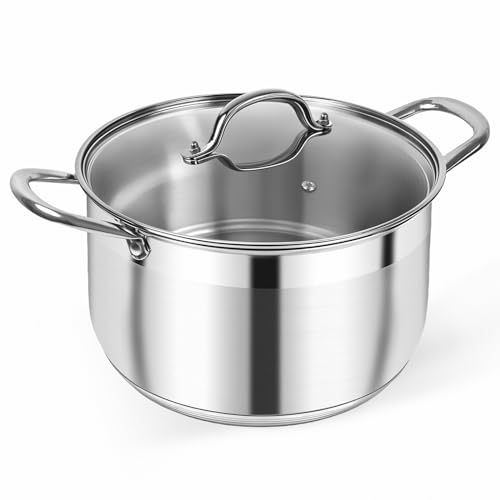
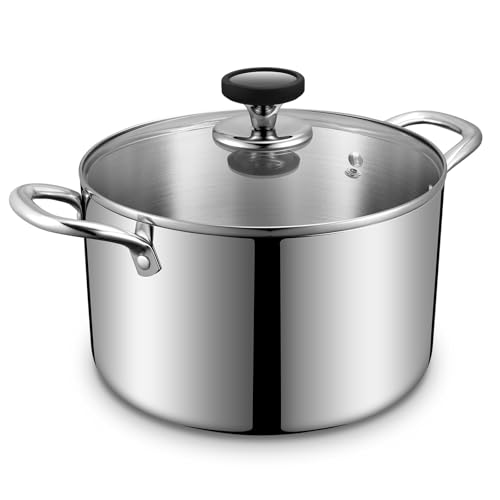
Large Pot: A large pot is essential for cooking the noodles evenly. Look for one with a heavy bottom to prevent sticking and ensure even heat distribution.
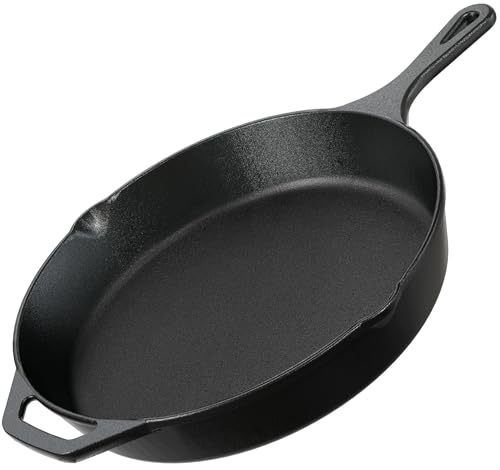
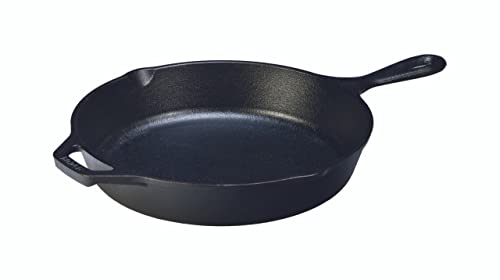
Skillet: A wide skillet allows for easy tossing of the noodles with the garlic and sauce. Non-stick options can be helpful for preventing sticking.
Garlic Press: A garlic press is useful for finely mincing garlic quickly. If you don’t have one, a sharp knife will work, but make sure to mince the garlic finely.



Preparation Methods
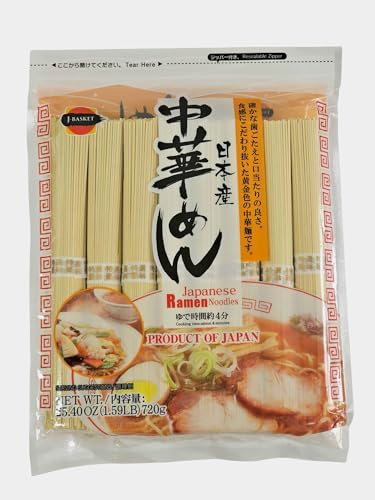
Cooking Noodles: Bring a large pot of salted water to a rolling boil before adding the pasta. Cooking the noodles al dente is crucial as they will continue to cook when tossed with the sauce, preventing a mushy texture.
Minced Garlic: Using a garlic press or finely chopping garlic ensures it releases its flavor into the dish effectively. Avoid browning the garlic too much, as it can become bitter.
Tossing Ingredients: Gently tossing the noodles with the garlic and sauce in a skillet ensures even coating. This technique helps to marry the flavors together, creating a harmonious dish.



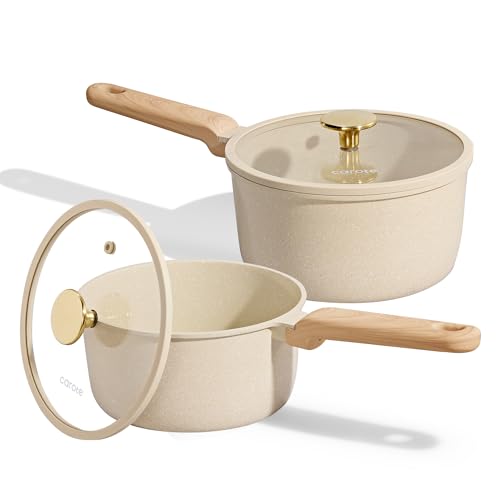
Step 1: Boil Water

Fill a large pot with water and add a tablespoon of salt.
Bring the water to a rolling boil over high heat.
This step is crucial as salted water enhances the flavor of the pasta.
Make sure the pot is large enough to allow the noodles to cook evenly without sticking together.


Step 2: Cook the Noodles

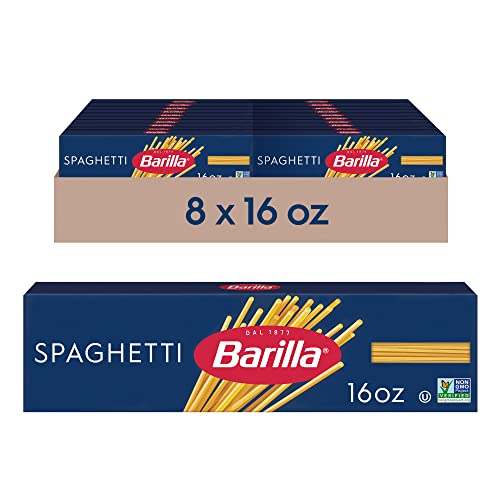
Add the spaghetti to the boiling water and stir gently to prevent sticking.
Cook according to package instructions until al dente, usually about 8-10 minutes.
Taste a noodle to check for doneness; it should be firm yet tender.
Once cooked, drain the noodles in a colander and set aside.
Step 3: Prepare the Sauce

In a large skillet, melt the butter over medium heat.
Add the minced garlic and sauté for 1-2 minutes until fragrant, but not browned.
Keep stirring to prevent the garlic from burning, which can impart a bitter taste.
This step sets the foundation for the rich flavor of your garlic noodles.
Step 4: Combine Noodles and Sauce

Add the drained noodles to the skillet with the garlic butter mixture.
Toss the noodles gently to coat evenly with the sauce.
Make sure every strand is coated in the buttery garlic goodness.
This step is essential for achieving the signature flavor of garlic noodles.
Step 5: Add Soy Sauce and Oyster Sauce
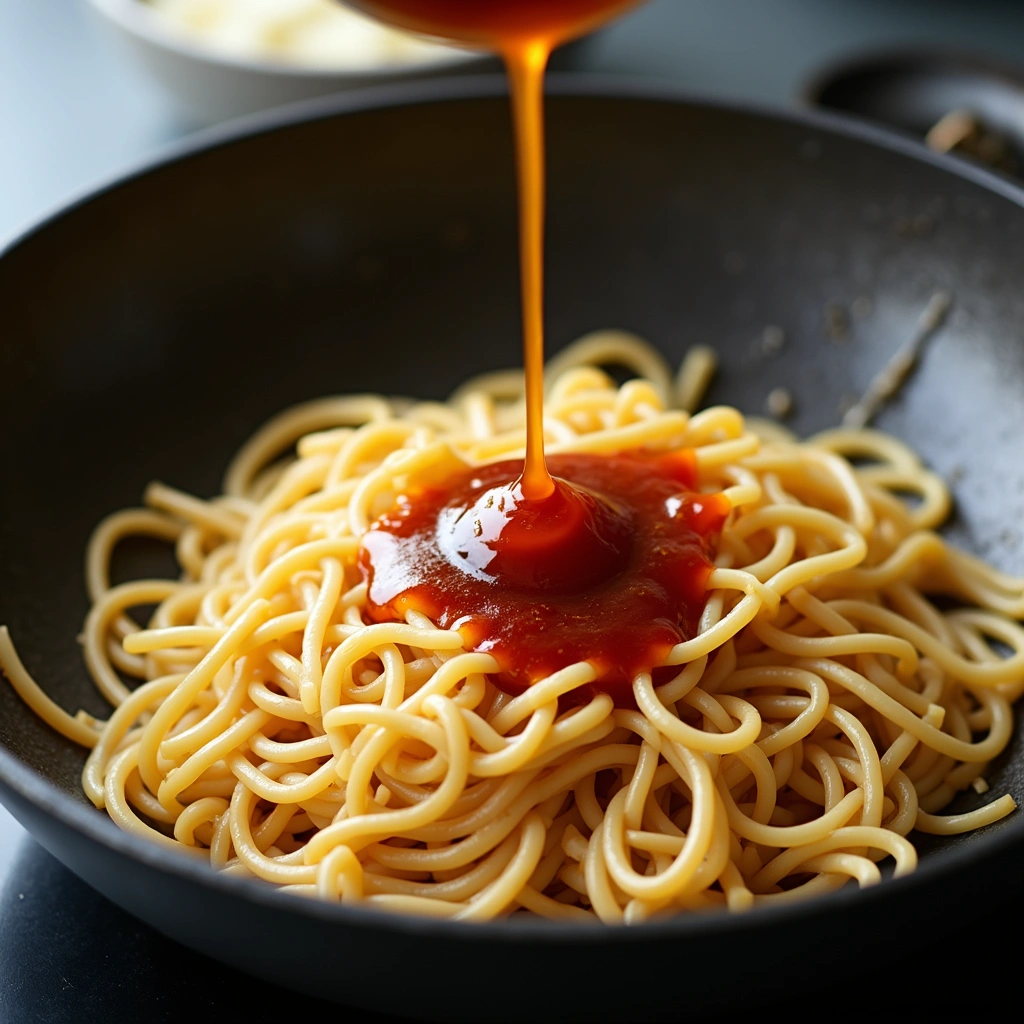
Pour in the soy sauce and oyster sauce over the noodles.
Continue tossing to ensure the sauces are evenly distributed throughout.
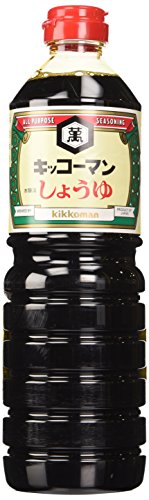
Taste and adjust seasoning if needed, adding more soy sauce for saltiness.
This combination adds depth and complexity to the flavor profile.



Step 6: Garnish and Serve

Remove the skillet from heat and transfer the noodles to a serving platter.
Sprinkle sliced scallions and sesame seeds on top for garnish.
Serve immediately while hot, allowing the flavors to shine.
This final touch adds both visual appeal and freshness to the dish.
Critical Timing and Temperature Guide
Cooking Noodles: Boil noodles for 8-10 minutes until al dente. They should be firm to the bite but not crunchy. Common mistakes include overcooking, which can lead to mushy noodles.
Sautéing Garlic: Sauté garlic for 1-2 minutes on medium heat until fragrant. Watch closely to avoid burning it, which can make it bitter. Burning garlic is a common mistake that can ruin the dish’s flavor.
Combining Noodles and Sauce: Mix the noodles with the sauce while hot. Aim for a well-coated noodle; if they appear dry, add a bit of reserved pasta water. A common issue is under-seasoning at this stage.
Pro Tips for Garlic Noodles Recipe
• Ingredient Selection: Use fresh garlic for the best flavor, as pre-minced garlic lacks depth.
• Preparation Secret: Allow the garlic to sit for a few minutes after mincing; this enhances its flavor.
• Temperature Management: Ensure your skillet is hot enough to sauté garlic without burning it.
• Texture Enhancement: Toss the noodles gently to avoid breaking them and ensure they stay al dente.
• Flavor Layering: Taste as you go; adding a splash of soy sauce or oyster sauce can elevate the dish.
• Make-Ahead Strategies: You can cook and store the noodles in the fridge, but toss them in a little oil to prevent sticking.
• Restaurant-Quality Finishing Touches: Drizzle with sesame oil before serving for a gourmet finish.
• Equipment Optimization: Use a non-stick skillet for easy cleanup and perfect noodle tossing.
Troubleshooting Common Issues
• Texture Too Sticky: This often occurs if the noodles are overcooked or not rinsed after draining. To fix this in future attempts, ensure to cook al dente and rinse briefly with cold water to halt cooking.
• Flavor Too Bland: If your noodles lack flavor, it may be due to insufficient seasoning. Always taste and adjust with soy sauce or salt before serving.
• Garlic Tastes Bitter: This happens when garlic is overcooked. To avoid this, sauté garlic just until fragrant and golden, then remove from heat immediately.
• Noodles Not Coating Well: If the sauce isn’t clinging to the noodles, you may need to add a splash of reserved pasta water. This helps the sauce adhere better.
• Overly Greasy: If the dish feels too oily, reduce the amount of butter next time and balance with more noodles or vegetables.
Variations and Regional Differences
• Vietnamese Style: In Vietnam, garlic noodles might include seafood like shrimp or crab, enhancing the dish’s flavor profile.
• Italian Style: Some variations use olive oil instead of butter and incorporate parmesan cheese for a creamy twist.
• Vegetarian Option: For a vegetarian take, add sautéed vegetables like bell peppers or bok choy for added texture and nutrients.
• Modern Interpretations: Contemporary cooks often add ingredients like chili flakes or lime juice to introduce a spicy or zesty note.



Food Science Behind the Recipe
• Emulsification: The butter and sauce create an emulsion that helps coat the noodles evenly. Understanding this process can help you achieve a smooth sauce that clings well.
• Maillard Reaction: Sautéing the garlic at the right temperature creates complex flavors through the Maillard reaction, enhancing the overall dish.
• Starch Release: Cooking pasta in salted water allows starch to release, which helps thicken the sauce and allows it to adhere to the noodles more effectively.
Frequently Asked Questions
What’s the most common mistake people make when preparing garlic noodles? Overcooking the noodles is the most common mistake, leading to a mushy texture. Always aim for al dente doneness for best results.
Can I prepare components of this dish in advance? Yes, you can cook the noodles and store them in the fridge for up to 3 days. Toss them in a bit of oil to prevent sticking.
How do I adapt this recipe for dietary restrictions? For gluten-free options, use gluten-free pasta, and for vegan versions, replace butter with plant-based alternatives.
What’s the best way to store and reheat leftovers? Store in an airtight container in the fridge for up to 3 days. Reheat in a skillet with a splash of water to maintain moisture.
Can I freeze this dish? While not ideal, you can freeze the noodles for up to a month. Thaw in the refrigerator and reheat with a little butter or oil.
What wine or beverages pair best with this dish? A light white wine, like Sauvignon Blanc, pairs beautifully with the garlic and butter.
How can I scale this recipe up for a crowd? Simply multiply the ingredient quantities and use a larger pot and skillet to accommodate the increased volume.
What side dishes complement this recipe best? A simple green salad or steamed vegetables work wonderfully as side dishes.
How do professional chefs elevate this dish for restaurant service? Chefs often add garnishes like microgreens or edible flowers to enhance presentation.
Serving and Presentation Guide
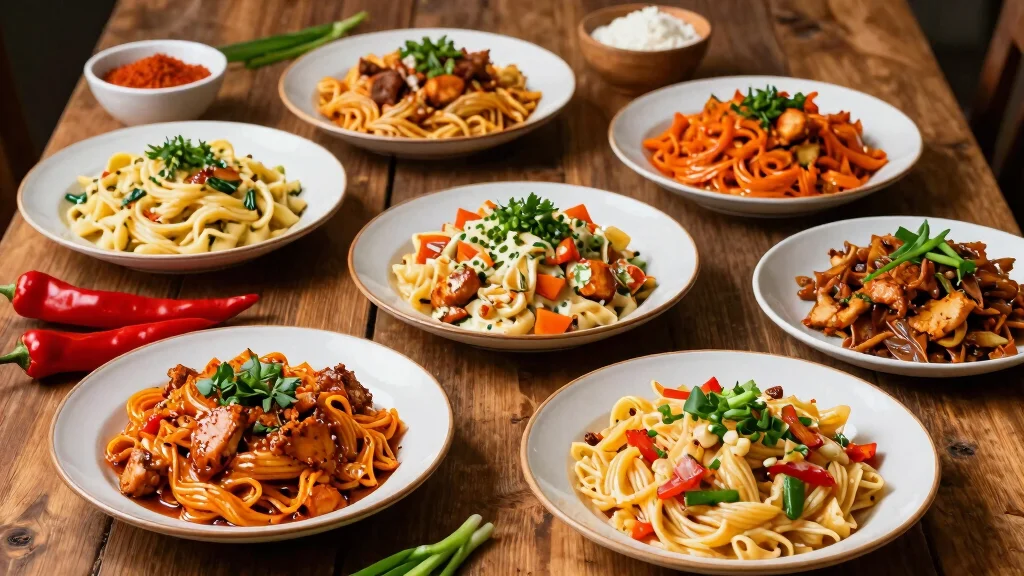
• Traditional Presentation: Serve garlic noodles in a large bowl, garnished with scallions and a sprinkle of sesame seeds. This classic presentation highlights the dish’s textures and colors.
• Modern Plating Ideas: For a contemporary twist, serve individual portions on white plates, drizzled with soy sauce and garnished with fresh herbs for a pop of color.
• Accompaniment Suggestions: Pair with a light, crisp salad or a refreshing cucumber dish to balance the richness of the noodles.
• Special Occasion Presentation: Elevate your dish by serving it in a large, decorative platter with fresh herbs and edible flowers scattered on top for a festive look.
Conclusion
I hope you find joy in making these garlic noodles as much as I do.
Their simplicity and rich flavors make them a favorite in my household.
Give this recipe a try, and I’m sure it will become a staple in yours as well.