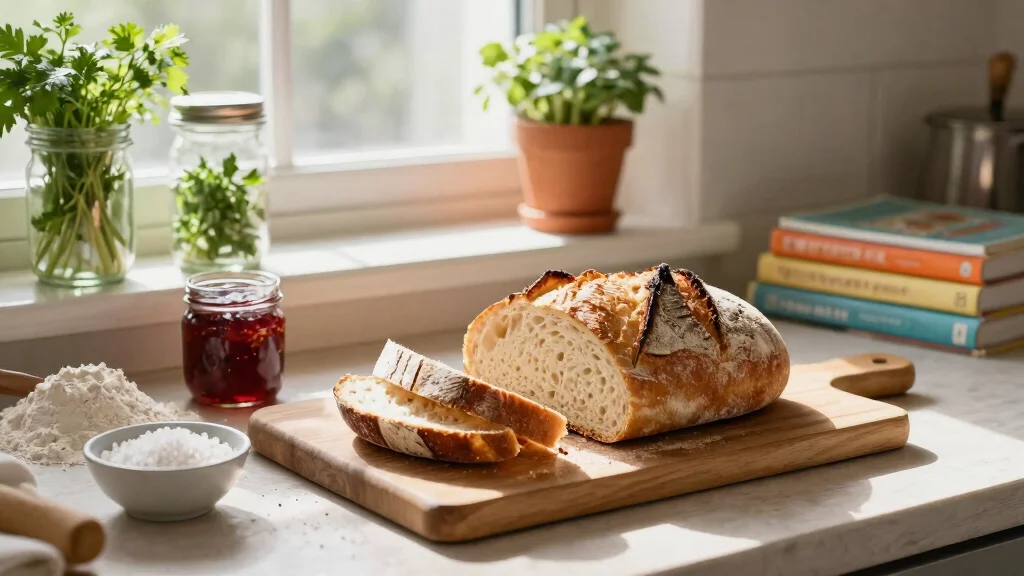

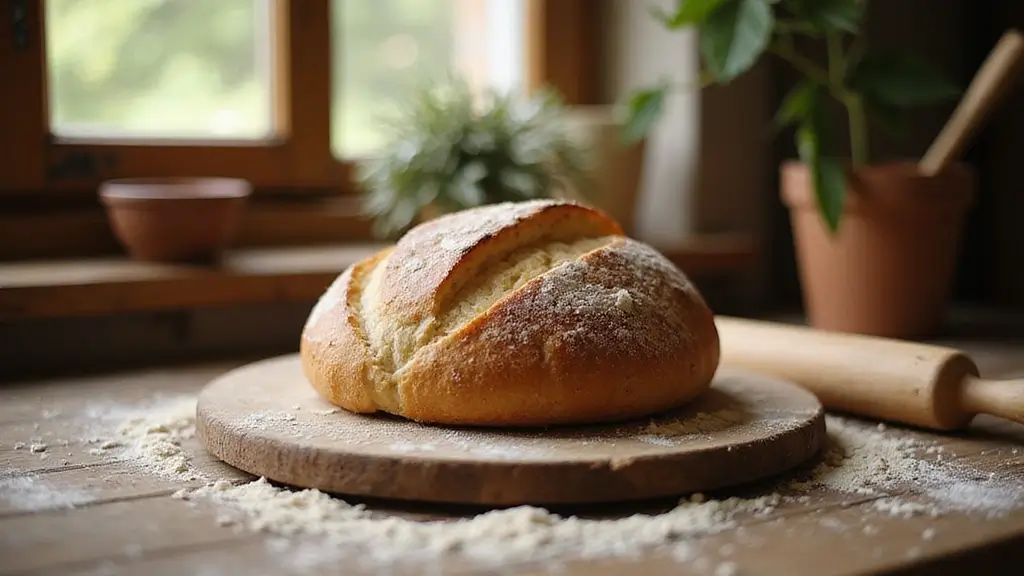
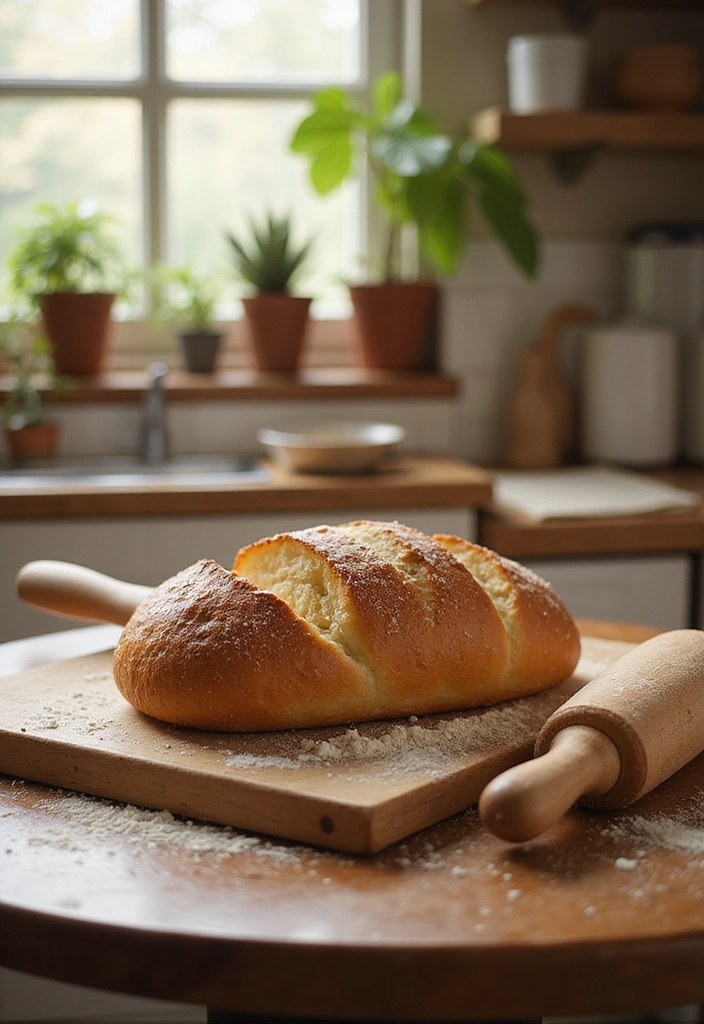
There’s something truly magical about the aroma of fresh-baked bread wafting through the kitchen, inviting everyone to gather around the table.
This classic French bread recipe brings that bakery experience straight to your home, allowing you to craft a crusty loaf that’s golden on the outside and soft within.
As we dive into the world of traditional French bread baking techniques, you’ll discover easy steps to create a loaf that not only looks impressive but tastes divine. This isn’t just about following a recipe; it’s about embracing a process that brings joy, warmth, and a sense of accomplishment.
So, roll up your sleeves, dust off your flour, and let’s make some homemade bread that will wow your family and friends!
Recipe Overview
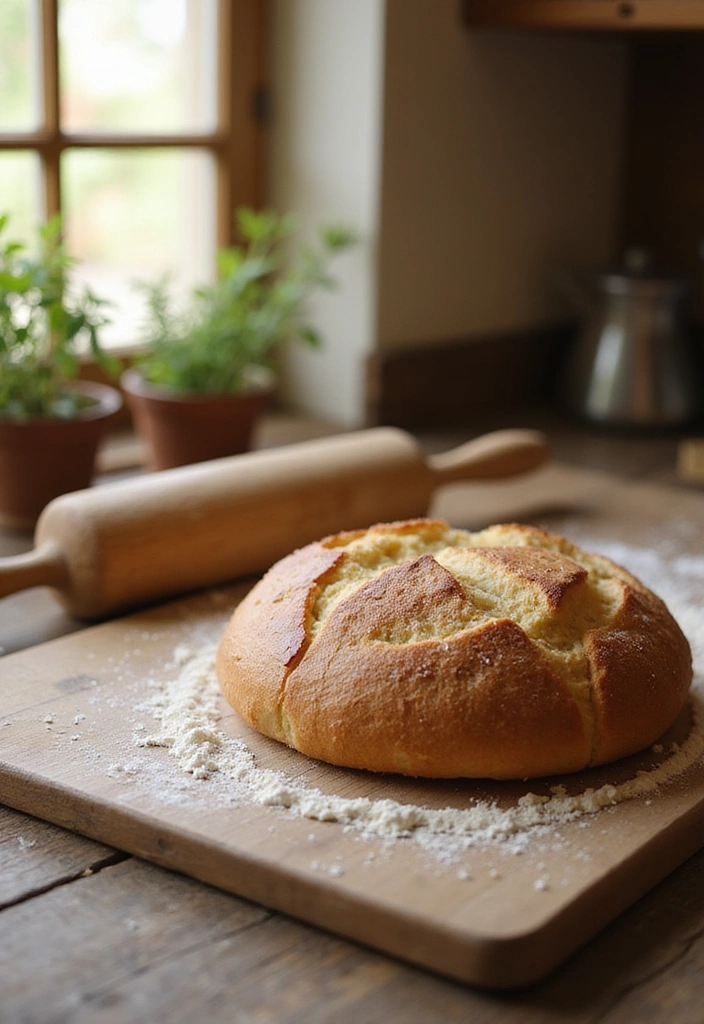
Cooking isn’t just about following instructions; it’s an adventure! This French bread recipe is a perfect blend of simplicity and tradition.
Servings: 1 large loaf
Prep Time: 15 minutes
Cook Time: 30 minutes
Total Time: 45 minutes
Calories: Approximately 120 calories per slice (based on 12 slices per loaf).
This overview sets the stage for what’s to come, highlighting that creating a classic crusty loaf at home doesn’t have to be daunting. With just a few ingredients and some time, you’ll have a delicious homemade bread that’s simple yet satisfying.
To elevate your bread-making experience, consider using a bread baking stone. This heavy-duty cordierite stone retains heat well, helping you achieve that perfect crust while baking. It’s an essential tool for anyone looking to replicate that authentic French bread texture right in your own kitchen.
A dough scraper can also be a game changer. This flexible tool makes it easy to handle and portion your dough without making a mess, ensuring that your bread turns out beautifully every time.
Let’s get to it and make your kitchen the heart of the home with this delightful creation!
Baking French bread at home is more than just a recipe; it’s a delicious journey of simplicity and tradition. Embrace the art of crusty loaves and savor every slice!
Nutrition Information
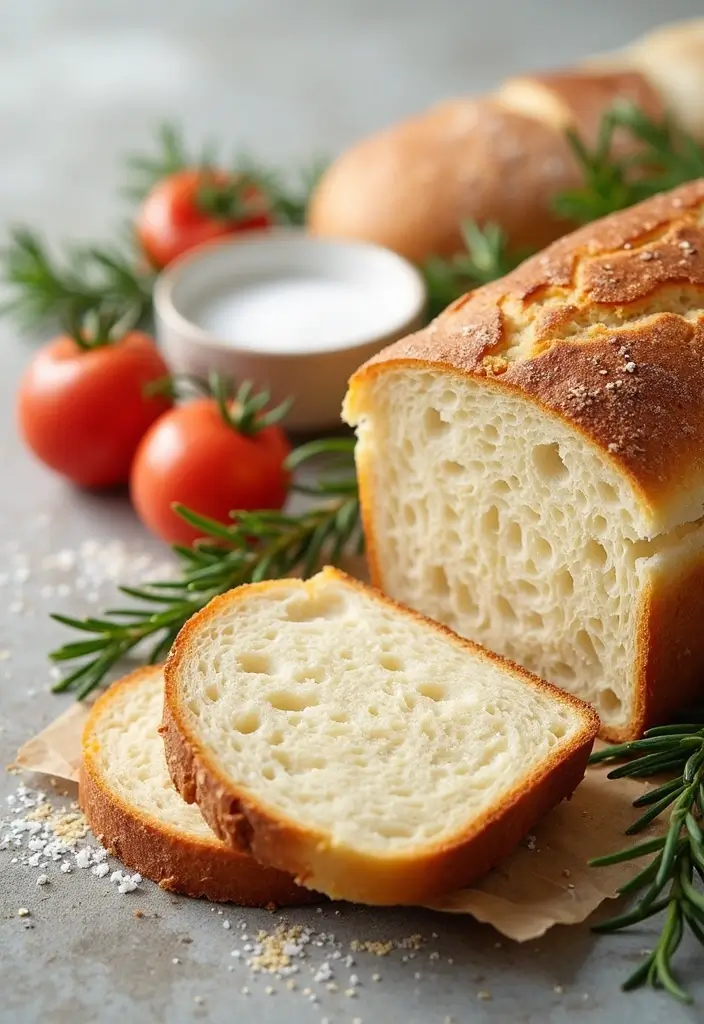
Understanding the nutritional value of your food is key, especially for a staple like bread. This classic French bread is not only comforting but also wholesome. Here’s a quick rundown of the essential nutritional components:
– Total Fat: 1g
– Saturated Fat: 0g
– Cholesterol: 0mg
– Sodium: 400mg
– Total Carbohydrates: 24g
– Dietary Fiber: 1g
– Sugars: 0g
– Protein: 4g
This bread is low in fat and sugar, making it a great accompaniment to many meals. Pair it with your favorite soups or salads for balanced nutrition, or enjoy it simply with butter or olive oil. To help you make the perfect loaf, consider using a bread maker machine. With its beginner-friendly controls and 15-hour timer, it takes the guesswork out of bread making, ensuring a crusty, delicious result every time.
For precision in your ingredients, a digital kitchen scale can be invaluable. It allows you to weigh your flour and other components accurately, leading to consistent outcomes in your baking.
If you’re looking to achieve that perfect crust, don’t forget a good baking stone. This heavy-duty cordierite stone helps distribute heat evenly, creating an ideal environment for that crusty exterior we all love.
Every slice of this bread is a step towards deliciously mindful eating!
A classic French bread recipe is not just a delicious addition to your meal; it’s a wholesome choice too! With only 1g of fat and no cholesterol, savor every crusty bite guilt-free.



Ingredients List

To create your own crusty loaf of French bread, you’ll need a few staple ingredients. Simple yet effective, here’s what you’ll gather:
– 4 cups all-purpose flour (for best results, consider using Gold Medal Premium Quality Bread Flour for Baking, 5 lb, which enhances texture and flavor)
– 1 ½ cups warm water (about 110°F; using a digital kitchen thermometer can help you achieve the perfect temperature)
– 2 teaspoons sea salt
– 1 packet (2 ¼ teaspoons) active dry yeast
– 1 tablespoon sugar (to feed the yeast)
– Cooking spray or olive oil (for greasing)
These ingredients work harmoniously to give you that classic texture and flavor we all love in traditional French bread. Remember, quality flour makes a difference, so choose a brand you love. If you want to take your baking to the next level, consider investing in a baking stone. This tool can help create a beautifully crisp crust by evenly distributing heat. Now, let’s move on to the fun part: mixing it all together!


Step-by-Step Instructions
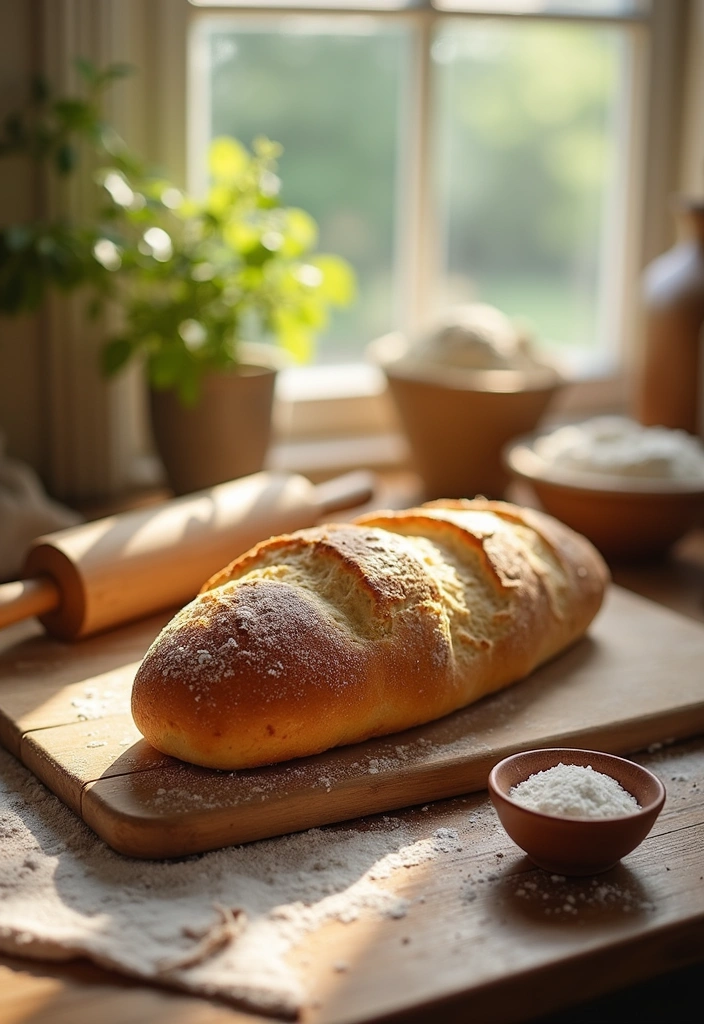
Baking bread at home is a fulfilling process that will have you feeling like a pro in no time. Here are the step-by-step instructions:
1. Activate the yeast: In a small bowl, dissolve the sugar in warm water. Sprinkle the yeast on top and let it sit for about 10 minutes until it’s frothy. This means your yeast is alive and kicking!
2. Mix the dough: In a large mixing bowl, combine flour and salt. Make a well in the center and pour in the yeast mixture. Stir until the dough comes together. You can use your hands or a wooden spoon.
3. Knead the dough: Transfer the dough to a floured surface and knead for about 10 minutes until it’s smooth and elastic. If it’s too sticky, sprinkle a little more flour as needed. A handy dough scraper can help you manage your dough more easily, allowing you to cut and fold without making a mess.
4. First rise: Place the dough in a lightly greased bowl, cover it with a damp cloth, and let it rise in a warm place until doubled in size, about 1 hour.
5. Shape the loaf: Once risen, punch the dough down to release air. Shape it into a loaf by forming it into a rectangle and rolling it tightly from one end.
6. Second rise: Place the shaped loaf seam-side down on a baking sheet lined with parchment paper. Cover with a cloth and let it rise for another 30-45 minutes.
7. Preheat the oven: Preheat your oven to 450°F (230°C) during the last 15 minutes of rising. For a perfect crust, consider using a bread baking stone. It retains heat well and ensures an even bake, giving your bread that artisanal quality.
8. Score & bake: Just before baking, use a sharp knife to make a few diagonal slashes on the top of the loaf. This allows steam to escape. Bake for 25-30 minutes until golden brown.
9. Cool & enjoy: Let it cool on a wire rack before slicing. The wait is worth it!
These steps break down the process clearly. Don’t rush—let the dough do its magic. You’ll be rewarded with a crusty, artisan loaf that looks as incredible as it tastes!
You might also like




Tips for Making the Best French Bread

When it comes to baking the perfect French bread, a few expert tips can elevate your loaf from good to great. Here’s what you need to keep in mind:
– Use high-quality flour: Strong bread flour can give your loaf a better structure and texture, so opting for a good brand like King Arthur unbleached organic bread flour can make a noticeable difference. With a high protein content of 12.7%, it’s ideal for lofty yeasted breads.
– Don’t rush the rising: The first rise is crucial. If your kitchen is too cold, it may take longer, which is okay—just be patient!
– Steam is key: To get that classic crust, place a shallow pan of water on the bottom of the oven while it preheats. This creates steam that helps develop a crunchy exterior.
– Keep it simple: Avoid over-complicating with added ingredients. A traditional French loaf is about simplicity.
– Experiment with scoring patterns: Get creative with your loaves by trying different scoring techniques. Using a high-quality bread lame can help you achieve beautiful designs while allowing for better expansion. This tool, complete with replacement blades and a leather protector cover, makes slashing dough effortless and precise.
These tips ensure that every time you bake, you’re producing a loaf that could stand up to your favorite bakery’s bread. Happy baking!


Frequently Asked Questions
Baking can raise a lot of questions, especially with something as cherished as French bread. Here are some common queries:
– What if my dough doesn’t rise? If your yeast isn’t active, it won’t rise. Always check the expiration date. To ensure you have reliable yeast, consider using Red Star Active Dry Yeast. It’s a great choice for achieving that perfect rise in your dough.
– Can I use whole wheat flour? Absolutely! Just keep in mind it might yield a denser loaf. If you’re looking for a versatile option, King Arthur Unbleached Organic Bread Flour is high in protein and ideal for lofty yeasted breads, giving you that wonderful texture for your loaves.
– How do I store my bread? Keep it wrapped in a cloth at room temperature for 2-3 days or freeze it for longer storage. For an added layer of protection, use bread storage bags, which are thicker and help keep your homemade breads fresh.
– Why is my crust too hard? If your oven temperature is too high or you’ve baked it too long, it may harden. Monitoring your baking times and temperatures can help, along with using the right flour to achieve the desired texture.
These FAQs help clarify common concerns, making your baking experience smoother and more enjoyable. Remember, practice makes perfect!
Baking French bread? Remember, the secret to a perfect rise lies in your yeast! Keep it fresh and watch your loaves transform into crusty delights.
Conclusion

Baking your own French bread is a beautiful journey filled with warmth and satisfaction. Each loaf tells a story, from the careful measuring of ingredients to the magical moment when it emerges golden from the oven.
As you master this classic crusty loaf at home, remember that every bake is an opportunity to experiment, learn, and share with those around you. Embrace the process and enjoy every slice!
Note: We aim to provide accurate product links, but some may occasionally expire or become unavailable. If this happens, please search directly on Amazon for the product or a suitable alternative.
This post contains Amazon affiliate links, meaning I may earn a small commission if you purchase through my links, at no extra cost to you.
Frequently Asked Questions
What if my dough doesn’t rise when making this French bread recipe?
Don’t worry! If your dough isn’t rising, it might be due to inactive yeast. Make sure your yeast is fresh and check the temperature of your water—too hot or too cold can kill the yeast.
Try activating your yeast separately by dissolving it in warm water with a pinch of sugar before adding it to the dry ingredients. This little step can ensure your dough rises beautifully, resulting in that perfect crusty loaf!
Can I use whole wheat flour instead of all-purpose flour for this homemade bread?
Absolutely! You can substitute whole wheat flour for all-purpose flour, but keep in mind that it may change the texture and flavor of your bread. Whole wheat flour can make your loaf denser, so consider mixing it with all-purpose flour for a lighter result.
Also, you might need to adjust the hydration in your recipe since whole wheat flour absorbs more water. Experiment to find your perfect balance for a deliciously hearty traditional French bread!
What are some baking tips to achieve a perfect crust for my French bread?
To achieve that iconic crusty loaf, there are a few tricks you can employ! First, preheat your oven with a baking stone or a cast iron skillet inside to create a hot environment for baking.
Next, consider adding steam. You can do this by placing a pan of water in the oven or spritzing the loaf with water just before baking. This will help develop that beautiful crust we all love. Happy baking!
How long can I store homemade French bread, and what’s the best way to do it?
Homemade French bread is best enjoyed fresh, but if you have leftovers, you can store it for a couple of days at room temperature wrapped in a clean kitchen towel to maintain its crust.
If you want to keep it longer, slice the bread and freeze it in an airtight bag. When you’re ready to enjoy it, just pop the slices in a toaster or warm them in the oven for that fresh-baked taste again!
Is this French bread recipe suitable for beginners?
Absolutely! This easy bread recipe is perfect for beginners who want to dive into the world of baking. With straightforward steps and minimal ingredients, you’ll be amazed at how simple it is to create your own classic French bread. Just remember to be patient with the rising times, and soon you’ll be enjoying the delightful aroma of fresh bread right from your oven!