
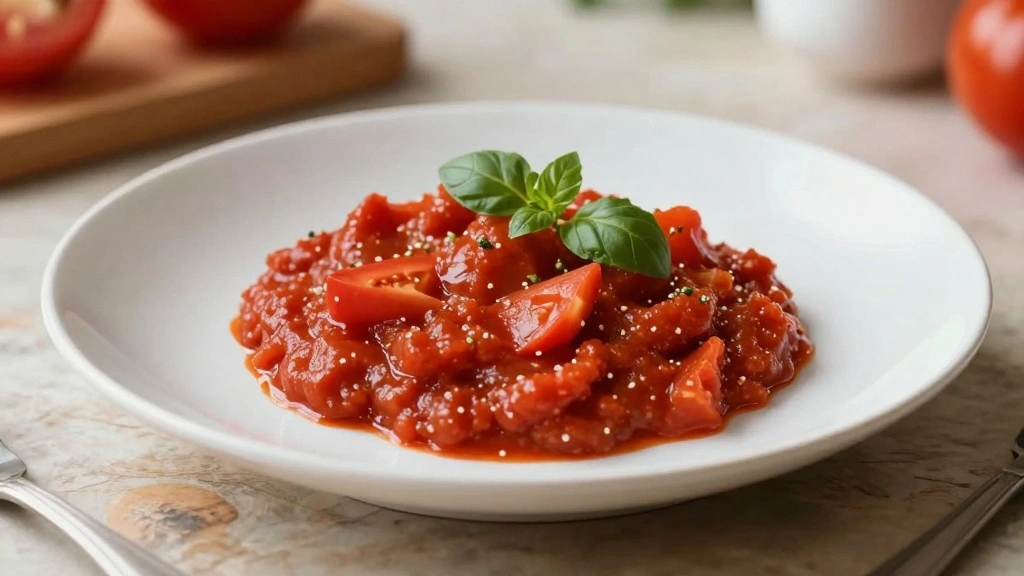
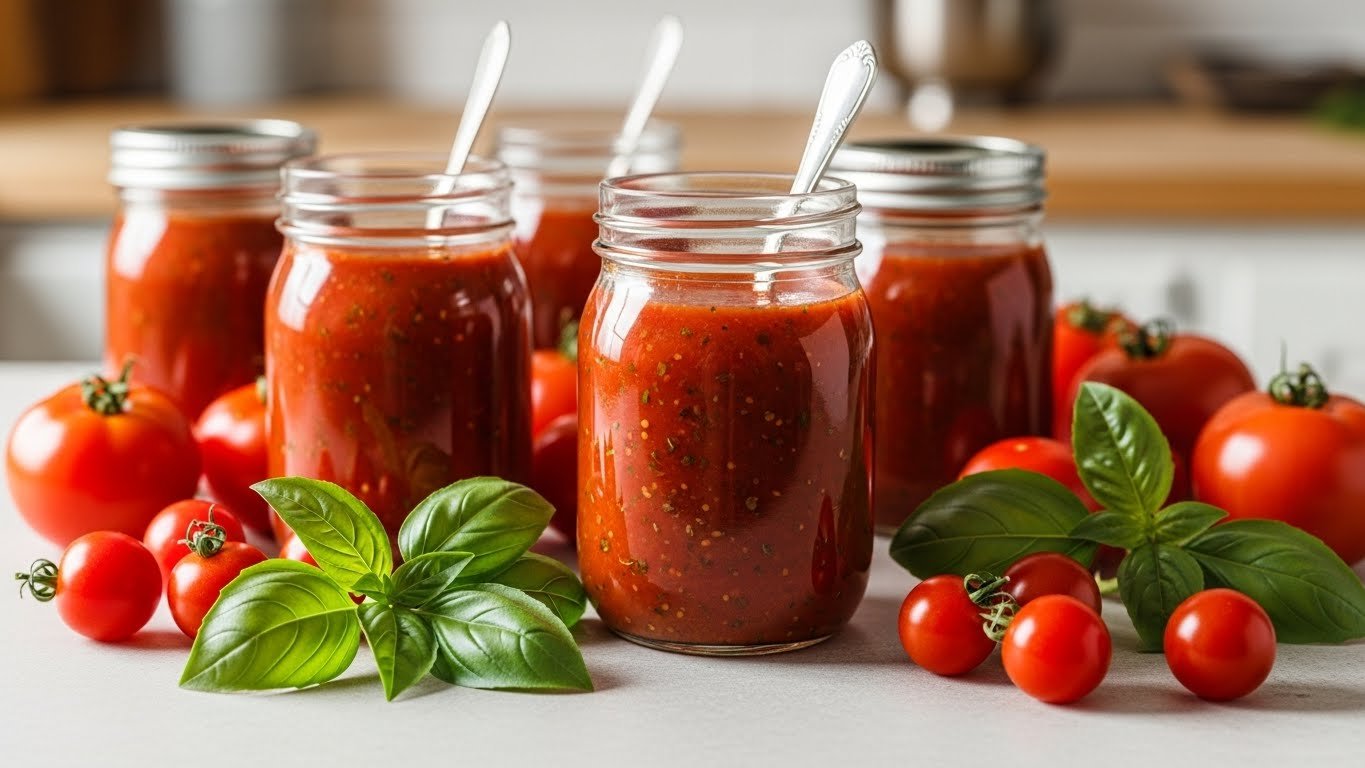
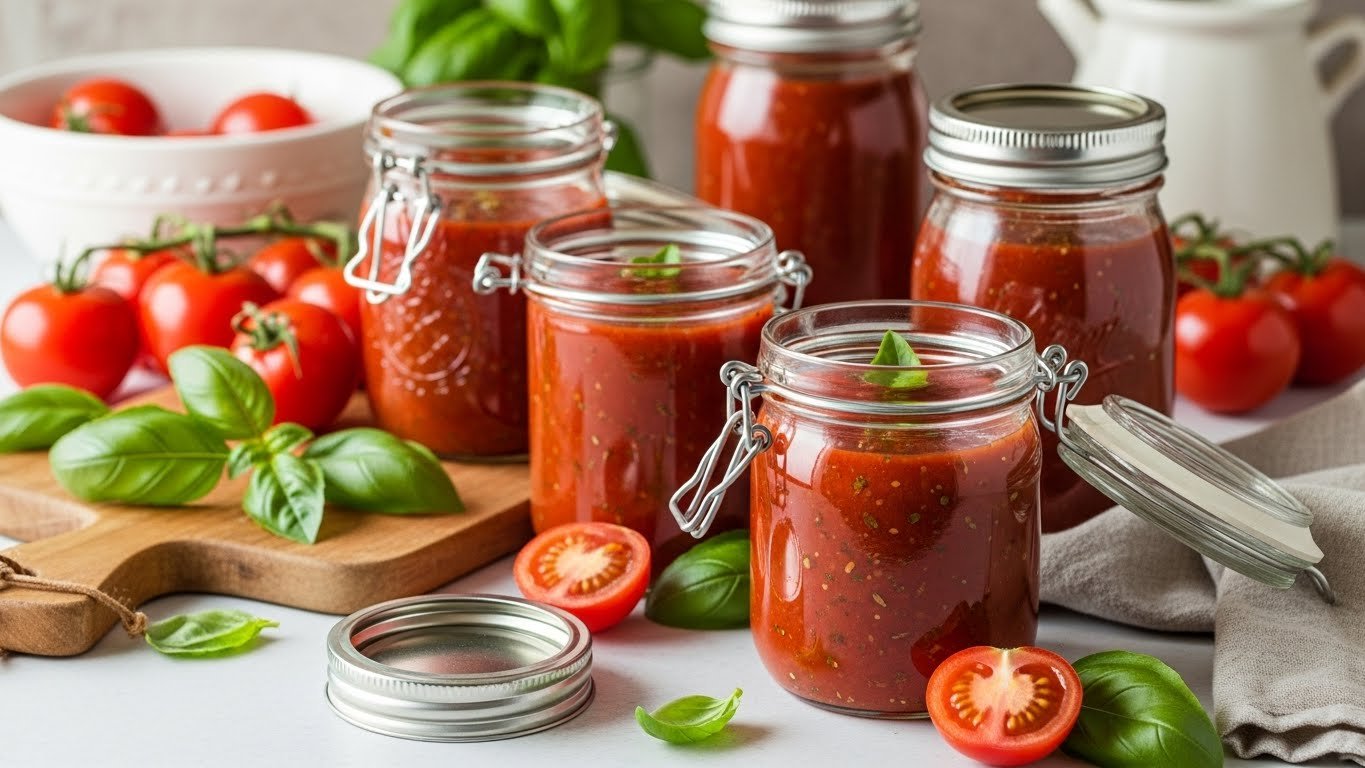
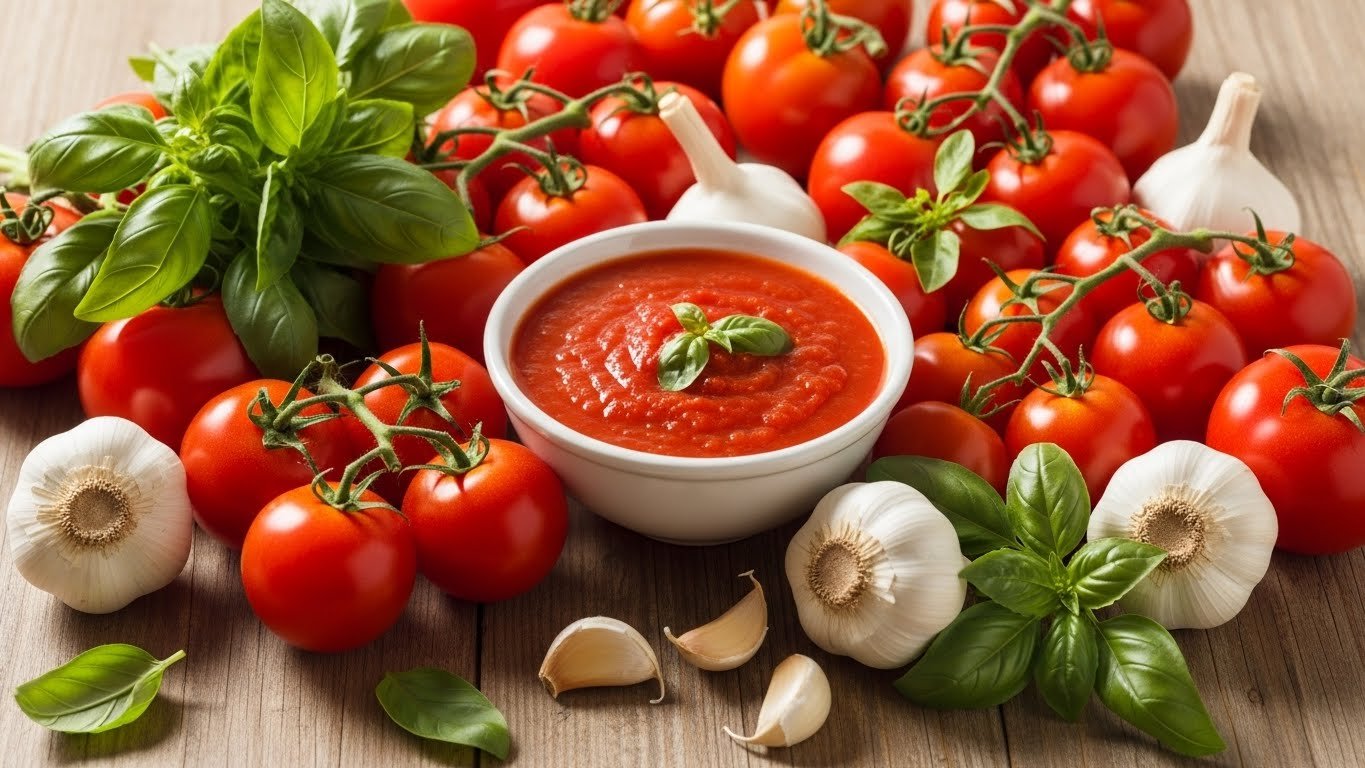
There’s something magical about preserving the vibrant flavors of summer, and Freezer Tomato Sauce does just that.
With every spoonful, you’re reminded of the sun-kissed tomatoes that make this sauce both fresh and comforting.
Whether you’re an avid gardener with an abundance of tomatoes or a farmer’s market enthusiast, this sauce is your answer to savoring the season’s best.
It’s an easy make-ahead recipe that ensures you always have a taste of summer ready to go.
The simplicity and purity of ingredients let the tomatoes shine, creating a sauce that’s both versatile and delightful in a multitude of dishes.
The History and Cultural Significance
• Freezer Tomato Sauce traces its origins to Southern Italy, where it was originally created by resourceful farmers.
• The dish evolved over decades as innovative preservation techniques allowed for the sauce to be frozen, eventually becoming the beloved version we know today.
• In Italian culture, this dish traditionally appears at family gatherings, symbolizing the abundance of the harvest and the love of home-cooked meals.
• While many variations exist across different regions, the authentic version maintains the use of fresh, in-season tomatoes and basil that sets it apart from imitations.


Recipe Overview
Nutritional Information (per serving)




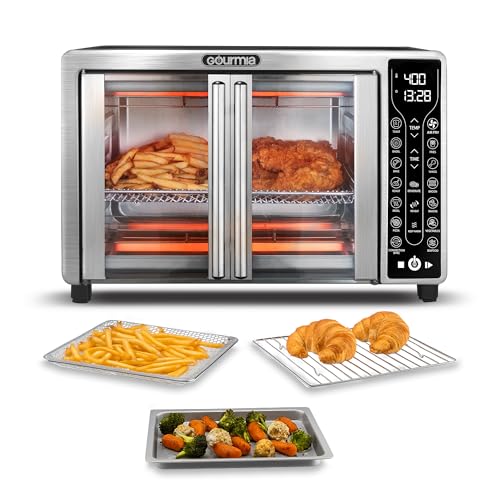
Essential Equipment Guide
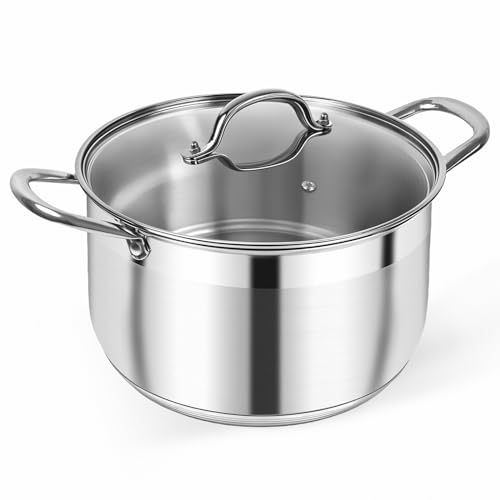
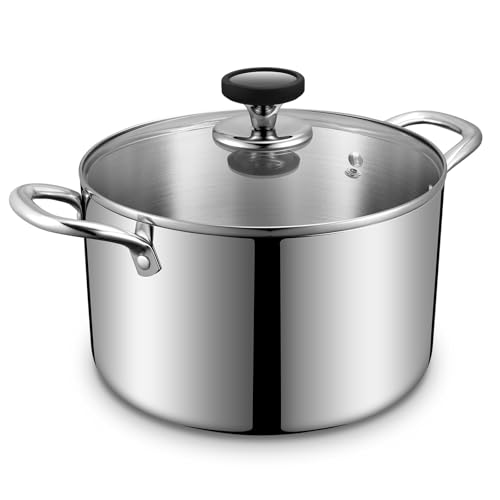
Large Saucepan: A large saucepan is essential for simmering the sauce evenly. It ensures that the tomatoes cook down properly and the flavors meld together. An alternative could be a Dutch oven, which provides even heat distribution.
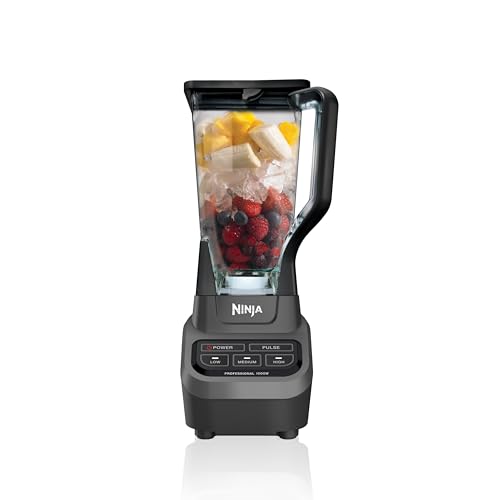
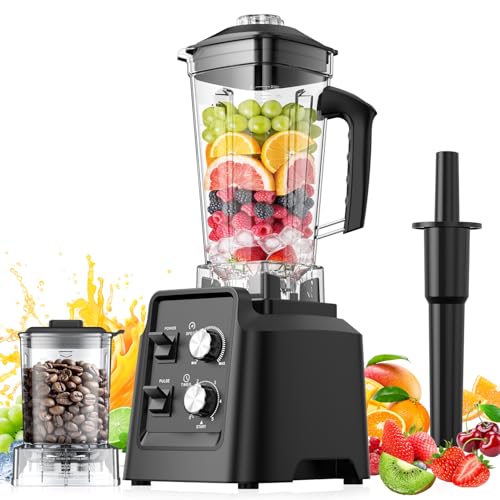
Blender or Food Processor: This is important for achieving the desired smooth consistency of the sauce. A hand blender can be used as an alternative for easy blending directly in the pot.
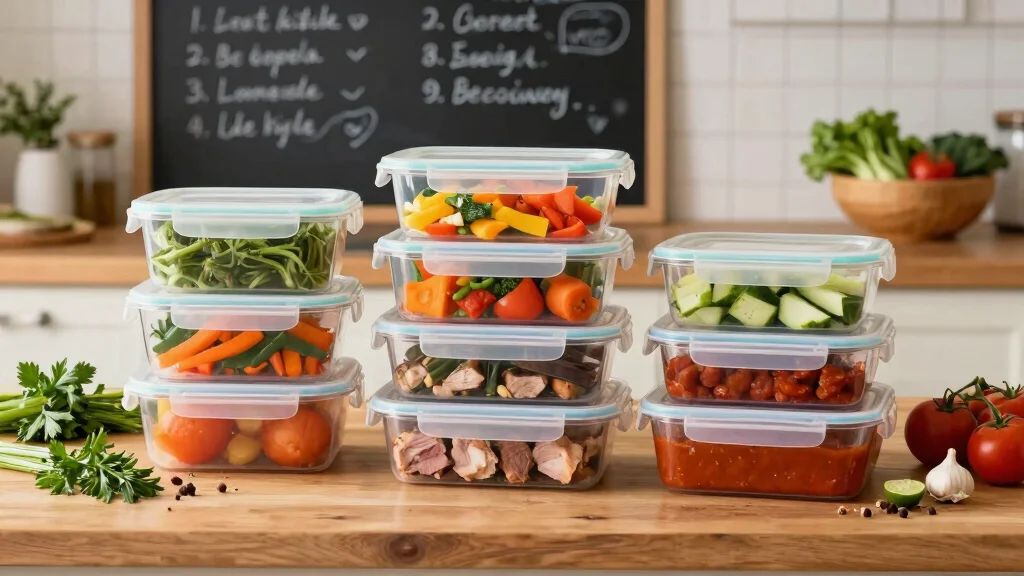
Freezer-Safe Containers: Choosing the right containers is crucial for storing the sauce without freezer burn. Look for containers that are airtight and stackable for convenience.



Ingredients
For the Sauce
|
|
| Amount | Ingredient | Notes |
|---|---|---|
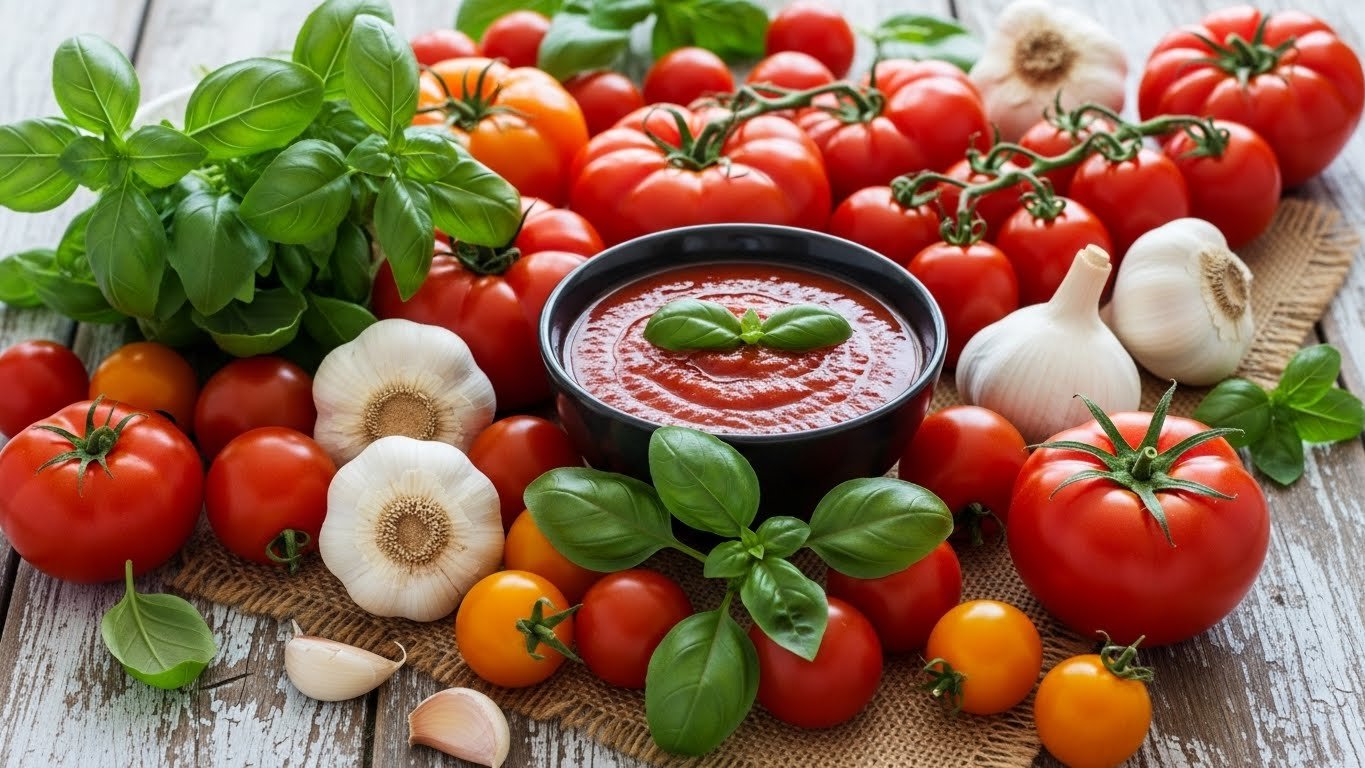
| 3 pounds | fresh tomatoes | cored and chopped |
| 1 large | onion | finely chopped |
Vegetables
| Amount | Ingredient | Notes |
|---|---|---|
| 2 cloves | garlic | minced |
| 1 large | carrot | grated for natural sweetness |
Seasonings
| Amount | Ingredient | Notes |
|---|---|---|
| 2 tablespoons | olive oil | adds richness |
| 1 teaspoon | salt | enhances flavor |
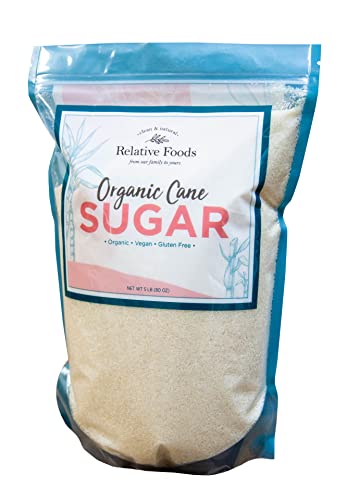
| 1 teaspoon | sugar | balances acidity |
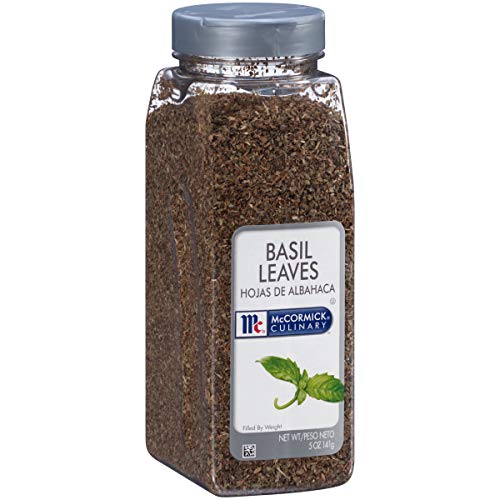
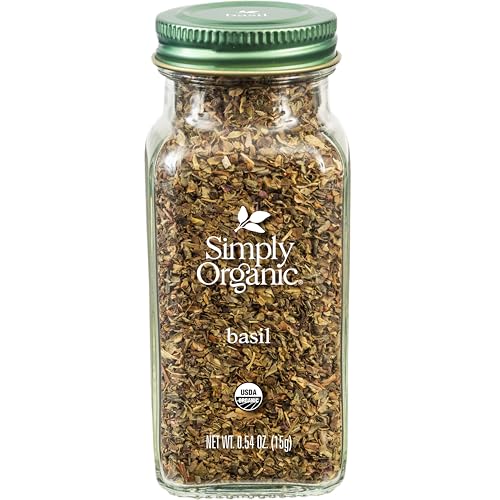
| 1 handful | fresh basil leaves | torn into pieces |


Preparation Methods
Blanching: Blanching tomatoes involves boiling them briefly and then plunging them into ice water. This technique makes it easy to peel the tomatoes, which is crucial for a smooth sauce.
Sautéing: Sautéing onions, garlic, and carrots in olive oil helps to release their flavors and adds depth to the sauce. It's important for building the base flavor profile.
Simmering: Simmering the sauce allows the flavors to meld and the sauce to thicken naturally. It is key for achieving the perfect consistency without the need for thickeners.
Step 1: Prepare Tomatoes
Begin by washing and coring the fresh tomatoes.
Cut the tomatoes into quarters and set them aside.
Ensure all cores are removed to avoid bitterness.
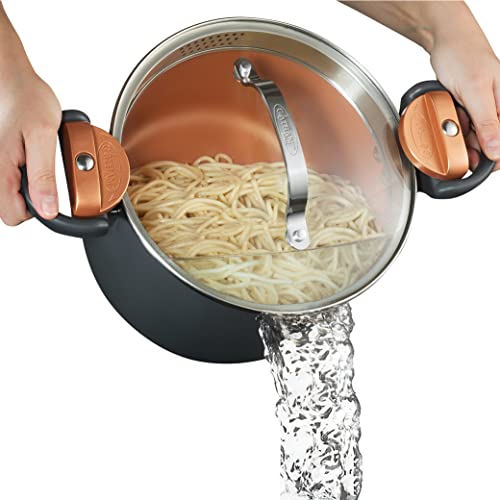
Prepare a large pot of boiling water for blanching.


Step 2: Blanch and Peel Tomatoes
Place the quartered tomatoes into the boiling water for about 60 seconds.
Quickly transfer them to an ice water bath to halt cooking.
Peel the skins off the tomatoes once they are cool enough to handle.
Set the peeled tomatoes aside in a large bowl.
Step 3: Sauté Vegetables
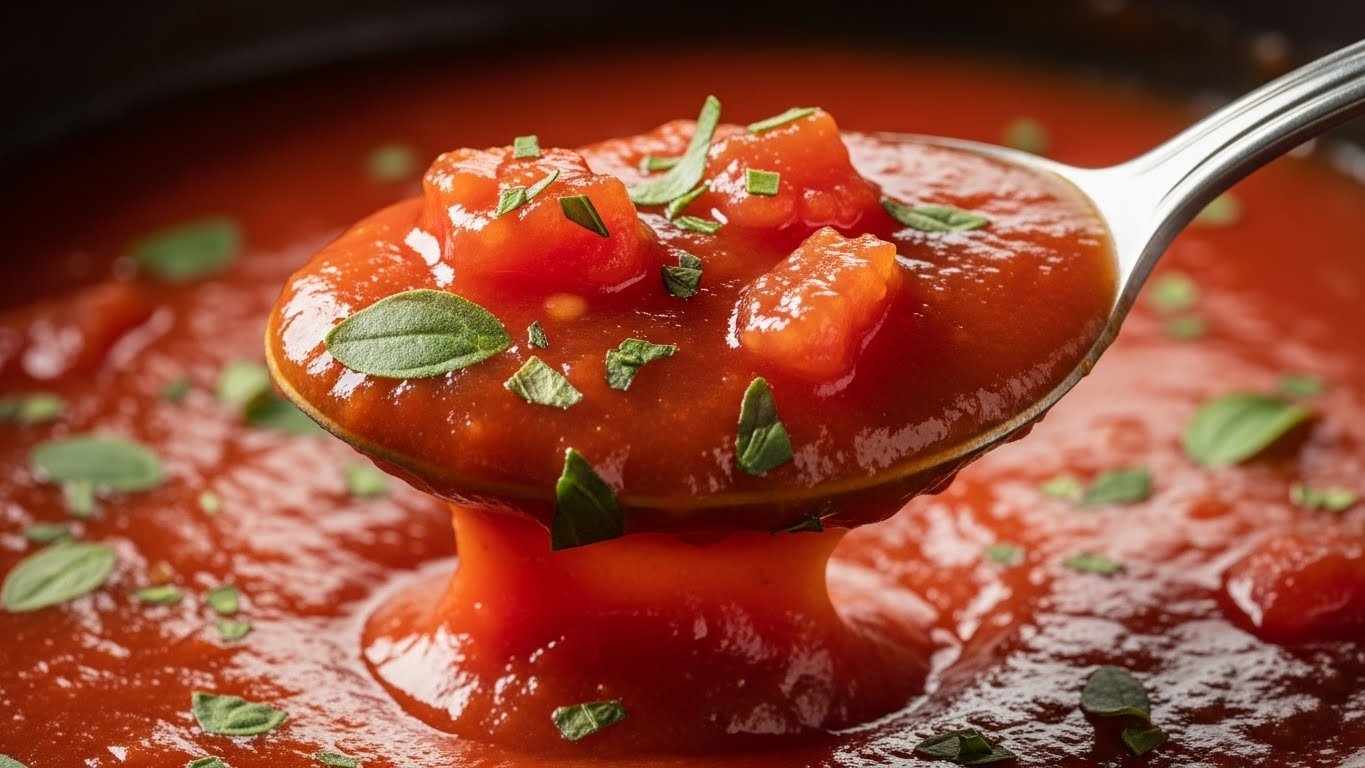
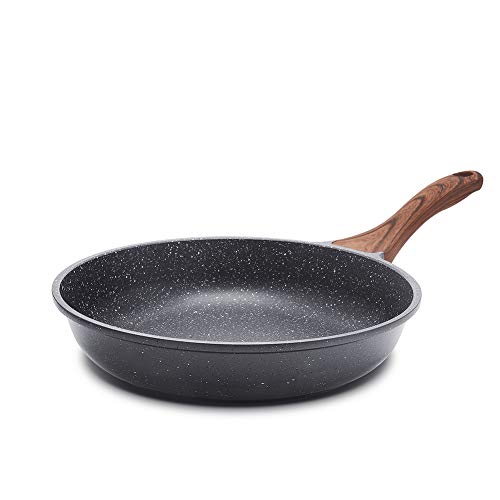
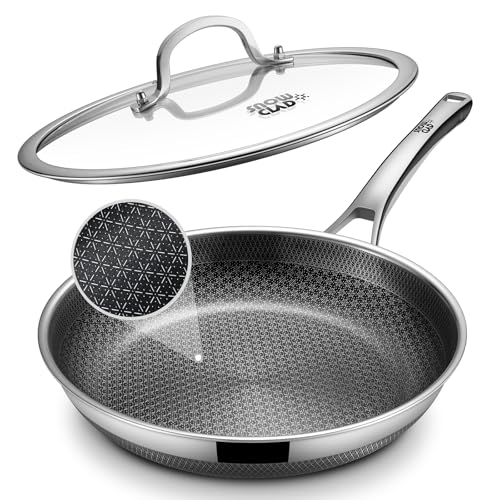
Heat olive oil in a large saucepan over medium heat.
Add chopped onions, minced garlic, and grated carrots to the pan.
Cook until the onions are translucent and the garlic is fragrant.
Stir regularly to prevent sticking and burning.



Step 4: Add Tomatoes
Add the peeled and chopped tomatoes to the saucepan with the sautéed vegetables.
Stir well to combine and bring the mixture to a simmer.
Ensure the tomatoes are evenly distributed among the vegetables.
Cover the pan to retain moisture and flavors.


Step 5: Season the Sauce
Add salt and sugar to the simmering sauce to enhance and balance flavors.
Taste and adjust seasoning as necessary.
Consider adding more sugar if the tomatoes are particularly acidic.
Stir well to ensure the seasonings are evenly incorporated.
Step 6: Simmer and Thicken
Allow the sauce to simmer uncovered for about 45 minutes.
Stir occasionally to prevent sticking and burning.
Watch for the sauce to thicken and reduce in volume.
The sauce is ready when it reaches your desired consistency.
Step 7: Blend the Sauce
Transfer the sauce to a blender or use an immersion blender directly in the pot.
Blend until the sauce is smooth and uniform in texture.
Be cautious of hot splatters during blending.
Return the sauce to the pot if necessary for further cooking or seasoning.




Step 8: Cool and Store
Allow the sauce to cool to room temperature before storing.
Divide the sauce into freezer-safe containers, leaving space for expansion.
Label the containers with the date of preparation for future reference.
Transfer the containers to the freezer for long-term storage.
Critical Timing and Temperature Guide
Blanching Tomatoes: Boil for 60 seconds; look for skins to start splitting. Avoid over-blanching, which could lead to mushy tomatoes.
Sautéing Vegetables: Sauté over medium heat until onions are translucent; watch for garlic to become fragrant but not browned.
Simmering Sauce: Simmer uncovered for 45 minutes; sauce should reduce by about one-third and thicken without sticking.
Pro Tips for Freezer Tomato Sauce
• Ingredient Selection: Choose vine-ripened tomatoes for the best flavor; their natural sweetness and acidity make the biggest difference.
• Preparation Secret: Adding a pinch of baking soda can help balance acidity if needed.
• Temperature Management: Ensure the sauce cools completely before freezing to prevent freezer burn.
• Texture Enhancement: A hand blender allows for better control over the final texture, achieving the desired smoothness.
• Flavor Layering: Sautéing the vegetables first builds a deep flavor base that enhances the overall taste.
• Make-Ahead Strategies: Freeze sauce in meal-sized portions for easy access and quicker thawing.
• Restaurant-Quality Finishing Touches: Add a drizzle of high-quality olive oil before serving for enhanced richness.
• Equipment Optimization: Use heavy-bottomed pans to ensure even heat distribution and prevent scorching.
Troubleshooting Common Issues
• Texture Too Watery: This can happen if simmering time is insufficient. Re-simmer the sauce to reduce water content and thicken.
• Flavors Unbalanced: If the sauce is too acidic, add a touch more sugar or a pinch of baking soda to neutralize.
• Freezer Burn: Occurs when containers aren't properly sealed. Always use airtight containers and leave space for expansion.
• Sauce Separation: This happens if the sauce hasn't been blended well. Re-blend or whisk vigorously before serving.
• Overly Salty: Dilute with a bit of unsalted tomato puree or sautéed vegetables to balance the saltiness.


Variations and Regional Differences
• Italian Style: Includes herbs like oregano and thyme, and often uses San Marzano tomatoes for a richer taste.
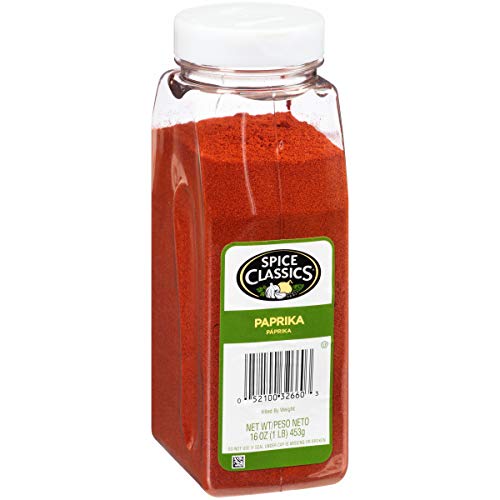
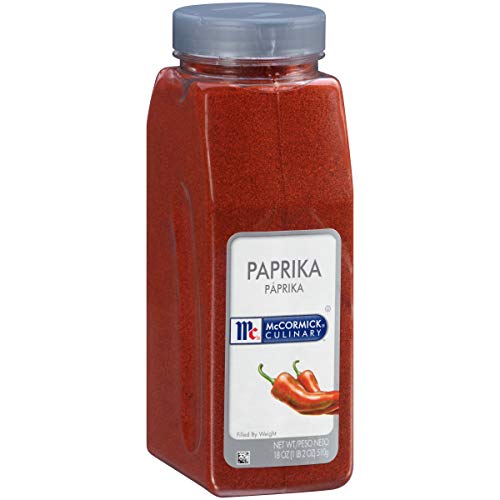
• Spanish Style: Often incorporates bell peppers and smoked paprika, adding a distinct smoky depth.
• French Provençal: Features olives and capers, providing a briny, savory flavor profile.
• American Homestyle: May include ground meat or additional vegetables like zucchini for a heartier sauce.



Food Science Behind the Recipe
• Maillard Reaction: Occurs during sautéing, where onions and garlic develop complex flavors through browning.
• Acidity and Sugar Balance: The natural acids in tomatoes are balanced by sugar, creating a harmonious flavor profile.
• Pectin Release: Simmering breaks down the tomato's natural pectin, which helps thicken the sauce naturally.
Frequently Asked Questions
What's the most common mistake people make when preparing Freezer Tomato Sauce? Overlooking the importance of reducing the sauce enough, leading to a watery consistency.
Can I add other vegetables to the sauce? Yes, vegetables like bell peppers or zucchini can be added for extra flavor and texture.
How long can the sauce be stored in the freezer? Properly stored, it can last up to six months without losing quality.
Is it necessary to peel the tomatoes? Peeling is recommended for a smoother sauce, but it's not mandatory if you prefer a chunkier texture.
Can I use canned tomatoes for this recipe? Fresh tomatoes are preferred for optimal flavor, but canned can be used in off-seasons.
What type of container should I use for freezing? Airtight, freezer-safe containers or heavy-duty freezer bags work best.
How do I reheat the sauce? Thaw in the fridge overnight and reheat gently on the stove, stirring frequently.
Serving and Presentation Guide
• Traditional Presentation: Serve in a simple ceramic bowl with a drizzle of olive oil and a sprig of fresh basil.
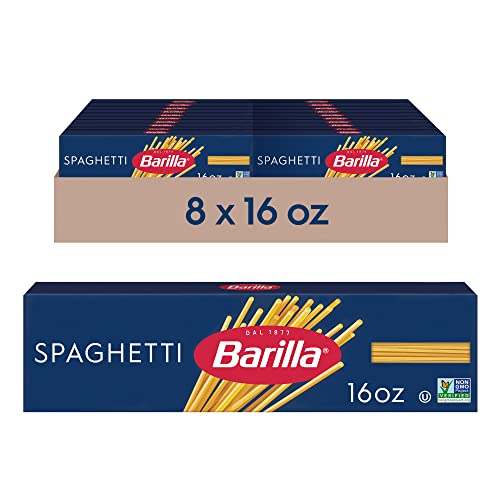
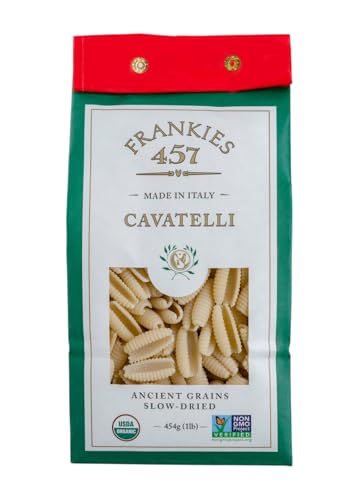
• Over Pasta: Ladle over freshly cooked pasta, topped with grated Parmesan cheese.
• As a Dipping Sauce: Serve with warm, crusty bread or breadsticks for dipping.
• In Baked Dishes: Use as a base for lasagna or casserole dishes, adding layers of flavor.


Conclusion
Crafting your own Freezer Tomato Sauce is a rewarding way to capture the essence of summer all year round.
With this recipe, you'll enjoy the convenience of a homemade sauce waiting for you whenever you need it.
Invite the taste of fresh, sun-ripened tomatoes into your kitchen and elevate your meals with this versatile sauce.