

Roasted fingerling potatoes are a delightful side dish that combines simplicity with elegance.
Their creamy interior and crispy exterior create a perfect contrast that will please any palate.
I first encountered this recipe at a family gathering, where the aroma of roasted garlic and herbs filled the air, inviting everyone to the table.
Whether you’re enjoying a cozy dinner at home or entertaining guests, these potatoes are sure to impress.
The History and Cultural Significance
• Roasted Fingerling Potato Recipe traces its origins to the Andes region of South America, where native peoples cultivated various potato varieties for thousands of years.
• The dish evolved as potatoes were introduced to Europe in the 16th century, where roasting became a popular cooking method.
• In Europe and the Americas, roasted potatoes traditionally appear at festive gatherings and holiday meals, symbolizing warmth and togetherness.
• While many variations exist across different cuisines, the authentic version maintains the use of fingerling potatoes, celebrated for their unique shape and flavor.
Recipe Overview
Nutritional Information (per serving)




Ingredients


Essential Equipment Guide
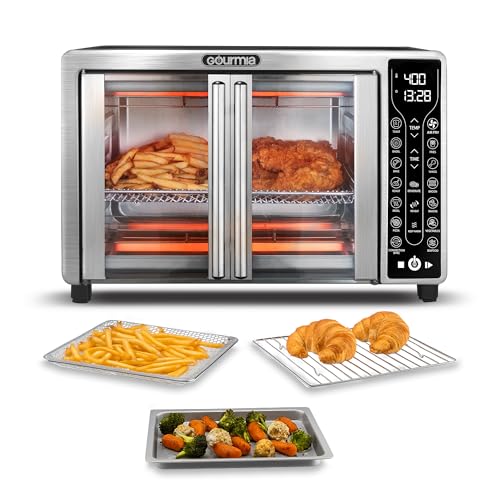
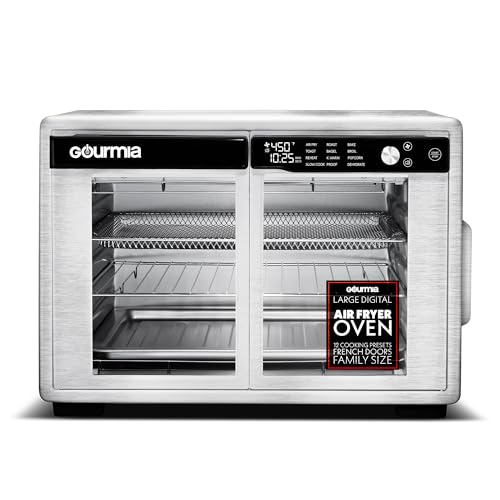
Oven: A reliable oven is crucial for achieving the perfect roast on your fingerling potatoes. Look for consistent temperature control and the ability to reach high heat for that golden finish. Convection ovens can also help circulate air for even cooking.
Baking Sheet: A sturdy, rimmed baking sheet is important to catch any drippings and prevent messes. Choose one with a non-stick surface or line it with parchment paper for easy cleanup and a crispier finish.
Chef’s Knife: A sharp chef’s knife is essential for cutting the potatoes evenly, ensuring they cook uniformly. Look for a knife with a comfortable grip and a balance that feels good in your hand.


Preparation Methods
Parboiling: This technique involves briefly boiling the potatoes before roasting to kickstart the cooking process. It helps create a fluffy interior that contrasts beautifully with the crispy skin. Aim for about 5 minutes in boiling water, then drain and dry thoroughly.
Seasoning Distribution: Evenly distributing seasoning is crucial for flavor. Toss the potatoes with oil and spices in a bowl before transferring them to the baking sheet. This ensures that every potato is coated evenly, leading to a more balanced taste.
High-Temperature Roasting: Roasting at a high temperature (around 425°F) is key to achieving that crispy exterior. Preheat your oven thoroughly before placing the potatoes inside to ensure they start cooking immediately and develop a golden crust.
Step 1: Preheat the Oven

Begin by preheating your oven to 425°F (220°C).
This high temperature is essential for achieving crispy roasted potatoes.
Make sure to allow the oven to fully preheat before placing the potatoes inside.
Using an oven thermometer can help ensure accuracy.
Step 2: Prepare the Potatoes

Wash the fingerling potatoes thoroughly under running water.
Slice them in half lengthwise to allow for even cooking and maximize surface area for roasting.
Ensure each piece is roughly the same size for consistent cooking.
Pat them dry with a clean kitchen towel to remove excess moisture, which helps with crispiness.
Step 3: Season the Potatoes
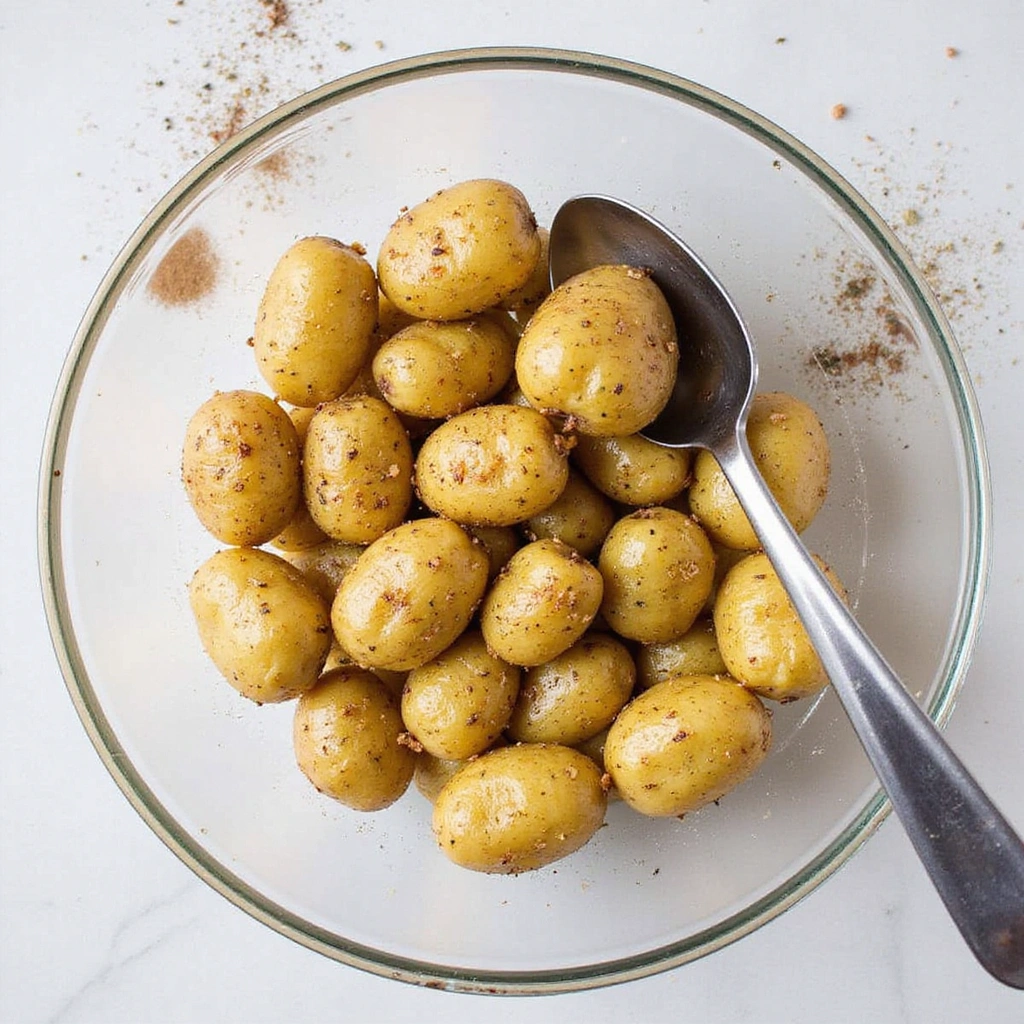
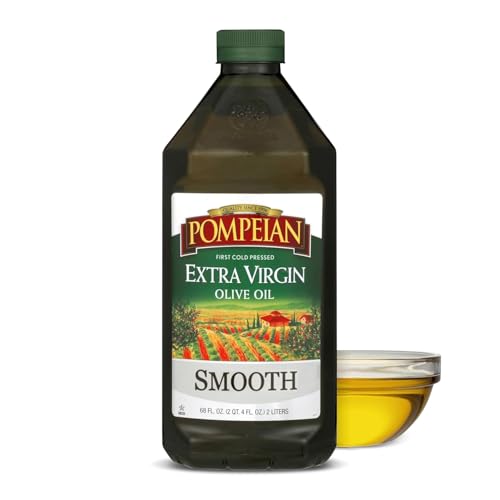
In a large mixing bowl, combine the olive oil, garlic powder, salt, and black pepper.
Add the halved fingerling potatoes to the bowl and toss until they are well-coated in the seasoning mixture.
Make sure that every piece is evenly covered to ensure balanced flavor throughout.
This step is important for building a rich taste in the final dish.
Step 4: Arrange on Baking Sheet

Spread the seasoned potatoes cut-side down on a rimmed baking sheet.
Arrange them in a single layer to allow for proper roasting without steaming.
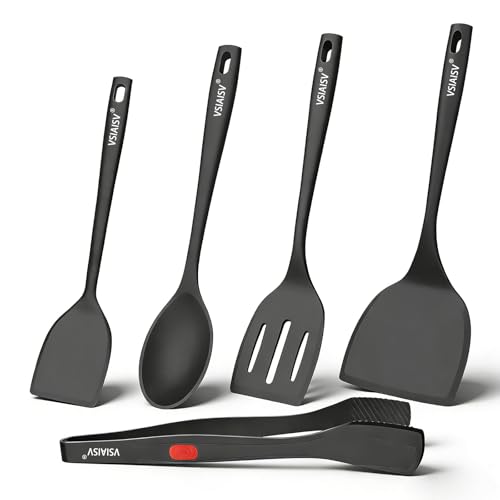
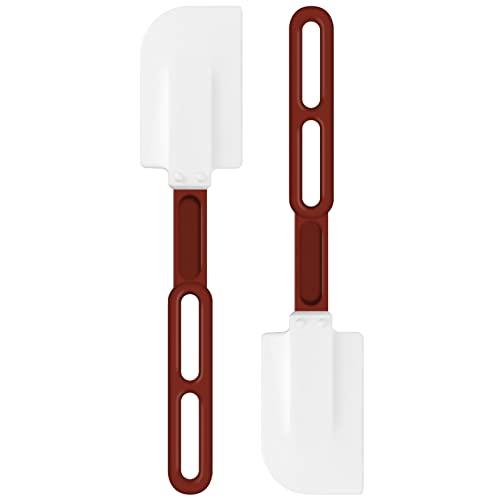
Use a spatula to ensure they have enough space to crisp up.
Avoid overcrowding, as this can lead to uneven cooking.




Step 5: Roast the Potatoes

Place the baking sheet in the preheated oven.
Roast the potatoes for about 25-30 minutes, flipping them halfway through for even cooking.
Look for a golden brown color and a crispy texture on the outside.
Use a fork to test for tenderness inside; they should be soft when pierced.
Step 6: Add Fresh Herbs

Once the potatoes are roasted to perfection, remove them from the oven.
Sprinkle the fresh rosemary over the hot potatoes for added aroma and flavor.
Toss gently to combine, allowing the heat to release the rosemary’s essential oils.
This step elevates the dish with a fresh herbal note.
Step 7: Serve Warm

Transfer the roasted fingerling potatoes to a serving dish.
Serve them warm as a side dish alongside your favorite main course.
Garnish with additional rosemary or a sprinkle of sea salt for an elegant touch.
These potatoes are best enjoyed fresh but can also be reheated if needed.
Critical Timing and Temperature Guide
Roasting Time: Aim for 25-30 minutes at 425°F. Look for a golden-brown exterior and a fork-tender interior. Avoid opening the oven too frequently, as this can lower the temperature and affect cooking time.
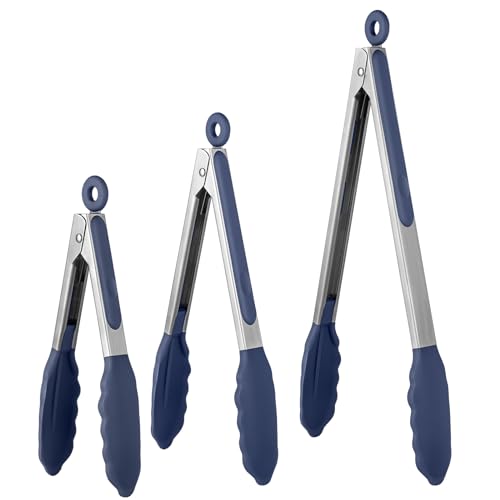
Flipping Potatoes: Flip the potatoes halfway through roasting to ensure even crisping. Use tongs or a spatula to do this gently. Look for even browning before and after flipping.
Testing for Doneness: Use a fork to test the tenderness of the potatoes. They should feel soft inside but firm on the outside. Overcooking can lead to mushy potatoes, so check a few minutes before the timer goes off.




Pro Tips for Roasted Fingerling Potato Recipe
• Ingredient Selection: Choose fingerling potatoes that are firm and evenly sized for consistent cooking. Look for ones with a smooth skin and no blemishes.
• Preparation Secret: Parboiling the potatoes for a few minutes before roasting can significantly enhance their texture, making them fluffier inside.
• Temperature Management: Ensure your oven is fully preheated to 425°F for optimal roasting. This helps to develop a crispy exterior quickly.
• Texture Enhancement: For extra crispiness, consider using a cast-iron skillet instead of a baking sheet, as it retains heat well.
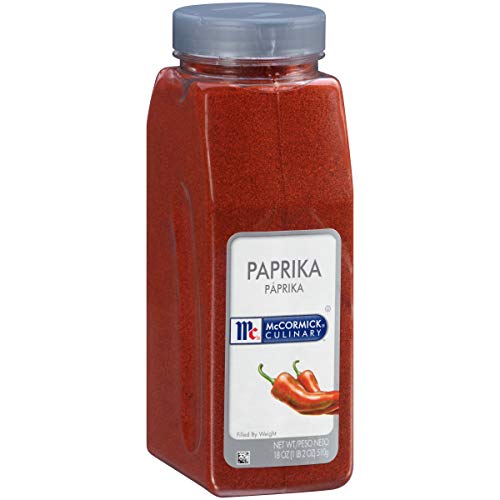
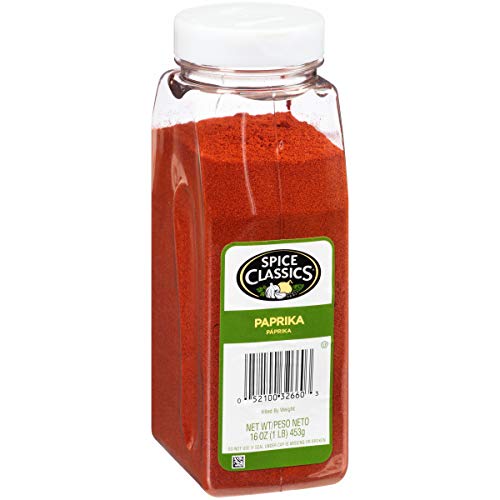
• Flavor Layering: Incorporate spices like smoked paprika or herbs de Provence for a unique twist on the classic flavor profile.
• Make-Ahead Strategies: You can wash and cut the potatoes a few hours in advance; just keep them submerged in water to prevent browning.
• Restaurant-Quality Finishing Touches: Drizzling the potatoes with a bit of balsamic reduction or a sprinkle of grated Parmesan before serving can elevate the dish.
• Equipment Optimization: Use a high-quality baking sheet to prevent sticking and promote even browning.




Troubleshooting Common Issues
• Texture Too Dense: This can happen if the potatoes are overcrowded on the baking sheet. Ensure they are in a single layer with space in between. Parboiling can also help achieve a fluffier interior.
• Flavors Unbalanced: If the seasoning is too strong or too weak, adjust the amount of salt and spices based on your taste preferences. Taste the potatoes before serving and adjust accordingly.
• Burnt Exterior: If you notice the potatoes are browning too quickly, reduce the oven temperature slightly and check them more frequently. Flipping them halfway can also help prevent burning.
• Undercooked Potatoes: If the potatoes are still hard after the cooking time, simply return them to the oven for an additional 5-10 minutes, checking frequently.
• Inconsistent Cooking: Make sure all potatoes are cut to a uniform size to ensure even cooking. If some are larger, they will take longer to cook through.
Variations and Regional Differences
• French Herb Variation: In France, fingerling potatoes are often roasted with a mix of herbs like thyme, oregano, and tarragon, offering a more aromatic experience.
• Spanish Paprika Roasted: A Spanish twist involves seasoning with smoked paprika and garlic, giving the potatoes a rich, smoky flavor that pairs beautifully with grilled meats.
• Italian Garlic and Parmesan: In Italy, roasted fingerling potatoes are often tossed with minced garlic and finished with grated Parmesan cheese, creating a deliciously savory side.
• Modern Interpretations: Contemporary versions may incorporate seasonal vegetables or spices like za’atar for a unique culinary twist while maintaining the essence of roasted fingerling potatoes.


Food Science Behind the Recipe
• Maillard Reaction: This browning reaction occurs when the potatoes are roasted, creating complex flavors and a desirable crispy texture. Understanding this helps in achieving that perfect golden-brown color.
• Starch Gelatinization: When potatoes are cooked, the starches absorb water and swell, creating a fluffy interior. Parboiling helps to initiate this process, further enhancing texture.
• Emulsification of Oil and Seasoning: Tossing the potatoes in oil ensures that the seasonings stick evenly to their surfaces. This interaction between oil and spices is crucial for flavor distribution.
Frequently Asked Questions
What’s the most common mistake people make when preparing roasted fingerling potatoes? The most common mistake is overcrowding the baking sheet, which leads to steaming instead of roasting. Always ensure there’s space between potatoes for optimal crispiness.
Can I prepare components of this dish in advance? Yes, you can wash and cut the potatoes a few hours ahead. Store them in water to prevent browning and dry them thoroughly before roasting.
How do I adapt this recipe for dietary restrictions? For a vegan option, ensure the olive oil is the only fat used. You can also use different herbs to cater to specific dietary needs or preferences.
What’s the best way to store and reheat leftovers? Store leftovers in an airtight container in the refrigerator for up to 3 days. Reheat in the oven at 350°F until warmed through for the best texture.
Can I freeze this dish? It’s not recommended to freeze cooked potatoes, as they can become mushy upon thawing. However, you can freeze uncooked fingerlings for future roasting.
What wine or beverages pair best with this dish? A crisp white wine like Sauvignon Blanc complements the potatoes well, balancing their richness with acidity.
How can I scale this recipe up for a crowd? Simply multiply the ingredients by the number of servings needed, and use multiple baking sheets as necessary to avoid overcrowding.
What side dishes complement this recipe best? Roasted fingerling potatoes pair beautifully with grilled meats, sautéed greens, or a fresh garden salad for a balanced meal.
How do professional chefs elevate this dish for restaurant service? Chefs often add a drizzle of high-quality flavored oil or balsamic reduction right before serving to enhance both flavor and presentation.
Serving and Presentation Guide
• Traditional Presentation: Serve roasted fingerling potatoes in a rustic bowl, garnished with fresh herbs. This emphasizes the home-cooked aspect of the dish and invites sharing.
• Modern Plating Ideas: For a contemporary look, arrange the potatoes artfully on a plate, with a drizzle of balsamic glaze and sprigs of rosemary for color contrast.
• Accompaniment Suggestions: Pair with a creamy dip like garlic aioli or a tangy chimichurri for added flavor.
• Special Occasion Presentation: For formal occasions, consider using individual ramekins for serving, topped with microgreens or edible flowers for an elegant touch.
Conclusion
Roasted fingerling potatoes are a simple yet sophisticated side dish that can elevate any meal.
I encourage you to try this recipe and share it with your loved ones, creating memorable dining experiences.
With a few straightforward techniques and quality ingredients, you’ll be able to impress everyone at your table.