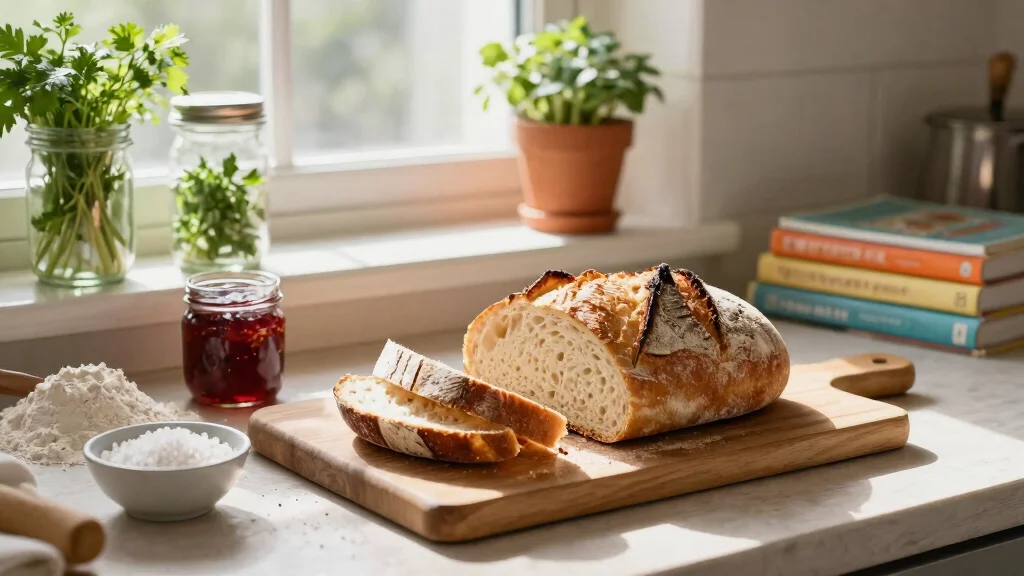


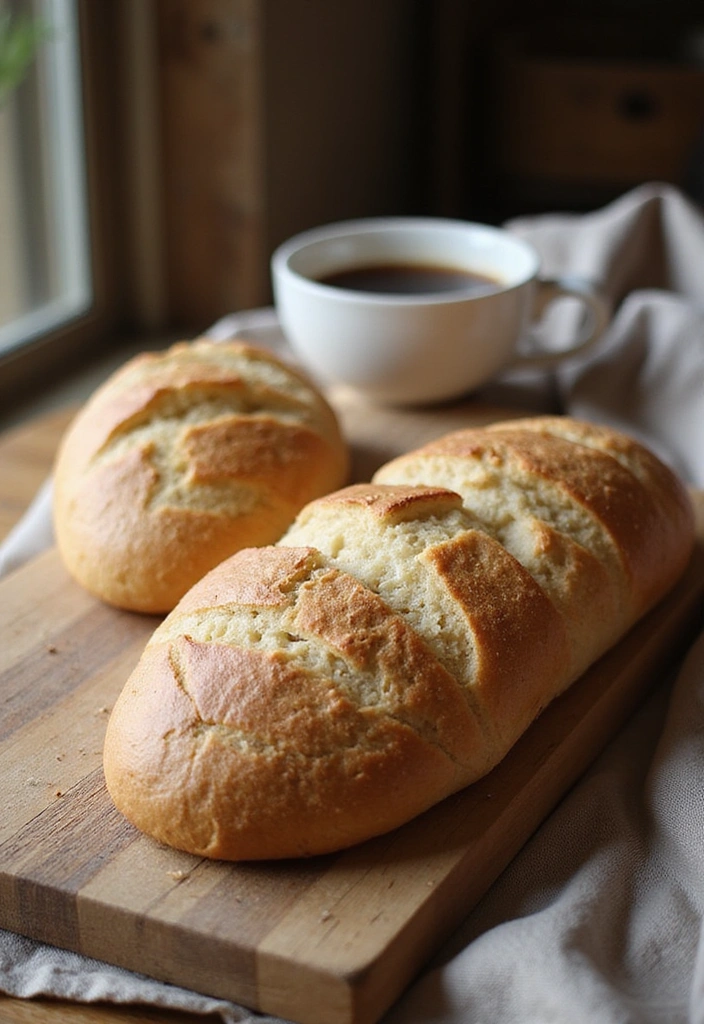
There’s something magical about the aroma of freshly baked bread wafting through your home, and ciabatta bread epitomizes that bliss. With its crispy crust and soft, airy interior, this Italian classic is perfect for sandwiches, dipping in olive oil, or simply enjoying with a bit of butter.
Whether you’re a seasoned baker or just starting your culinary journey, mastering the art of homemade ciabatta is incredibly rewarding. This artisan bread is not only fun to make but also an impressive addition to any meal. Let’s dive into the world of baking techniques that will turn your kitchen into a bustling Italian bakery, bringing the heart of Italy right to your table.
Recipe Overview: Your Guide to Perfect Ciabatta
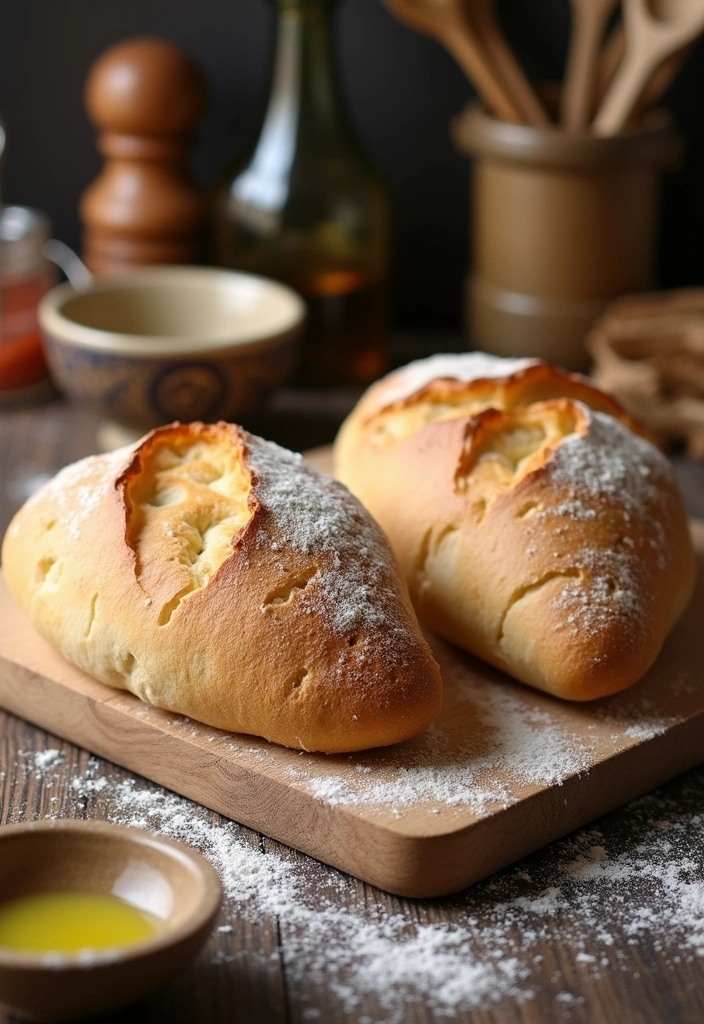
Before we embark on this baking adventure, let’s take a moment to overview our ciabatta bread recipe. This recipe serves about 8 people, making it perfect for family gatherings or sharing with friends.
– Prep Time: 20 minutes (plus 12-18 hours for the sponge)
– Cook Time: 30 minutes
– Total Time: Approximately 12-18 hours (includes resting time)
– Calories: About 200 calories per slice
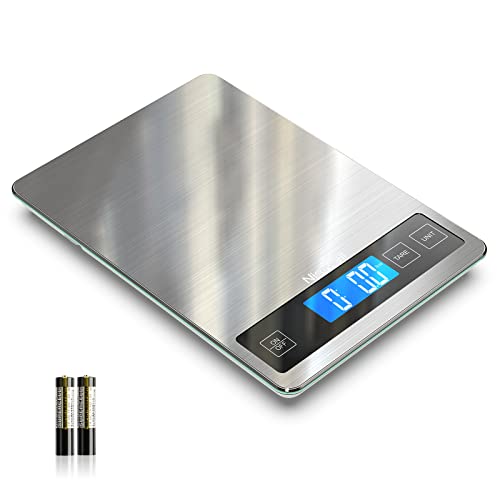
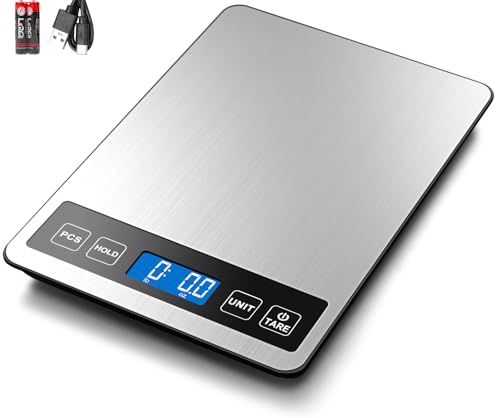
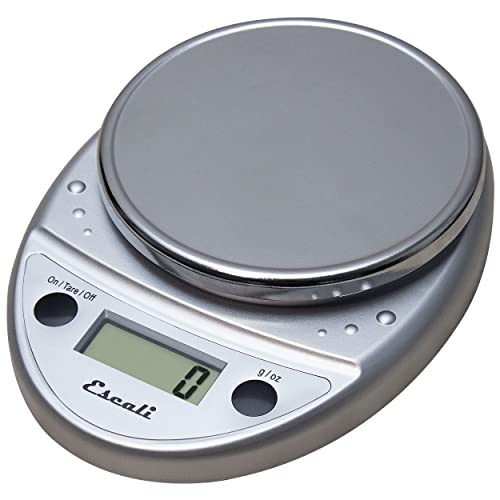
To help you prepare, consider investing in a few tools that can enhance your baking experience. A bread baking stone is essential for achieving that perfect crust, as it distributes heat evenly throughout the bread. Additionally, a digital kitchen scale ensures accurate measurements, which is crucial for a successful ciabatta. Lastly, a dough scraper makes handling your dough much easier, allowing you to shape and transfer your bread effortlessly.
This breakdown helps you plan your baking day effectively, ensuring your ciabatta will rise beautifully and taste delicious. Remember, patience is key when making artisan bread!
Baking ciabatta is more than just a recipe; it’s a delicious adventure! With just 20 minutes of prep, you’ll create a crusty, airy bread that brings friends and family together. Ready to rise?
Nutritional Benefits of Homemade Ciabatta
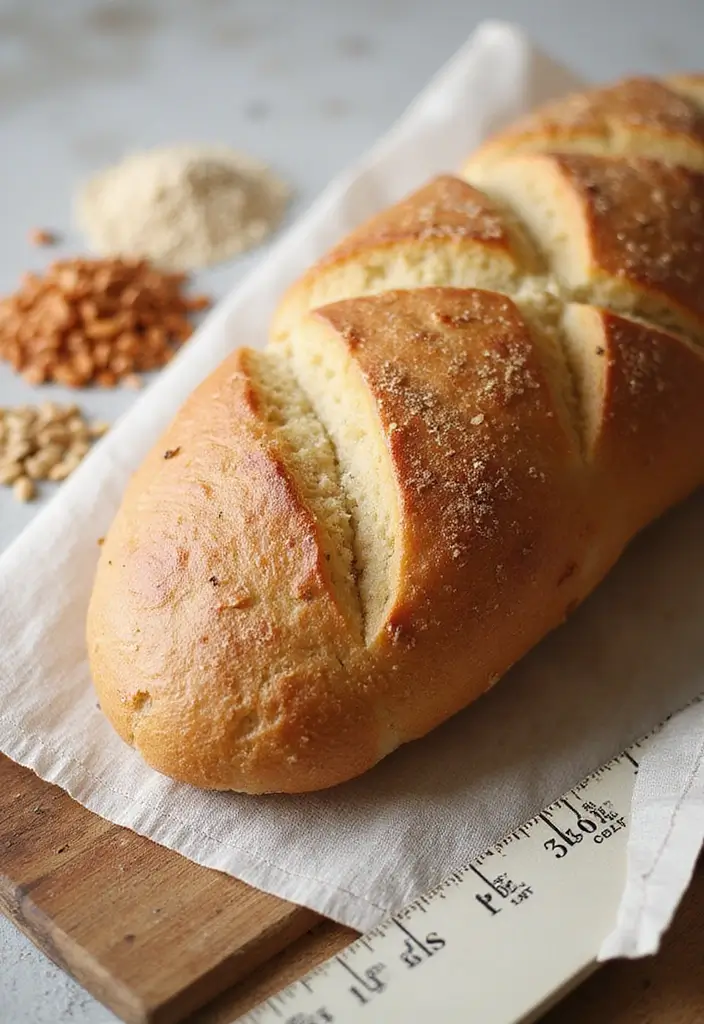
Beyond its fantastic taste, ciabatta bread also offers some nutritional benefits. Made primarily from flour, water, yeast, and salt, this bread can be a great source of carbohydrates.
Here’s a quick look at the nutritional breakdown per slice:
– Calories: 200
– Carbohydrates: 37g
– Protein: 6g
– Fat: 2g
– Fiber: 2g
Artisan ciabatta made at home allows you to avoid preservatives and additives commonly found in store-bought bread. By using high-quality ingredients, like Bob’s Red Mill artisan bread flour, you can elevate your baking game and enjoy a wholesome, crusty loaf. This unbleached, unbromated flour is perfect for crafting the perfect ciabatta texture.
Additionally, using a reliable kitchen tool, like the Etekcity digital kitchen scale, can help you measure your ingredients accurately, leading to better baking results. Consistency is key when making bread, and this scale ensures you get the right proportions every time.
For baking, consider a Unicook pizza stone. This heavy-duty baking stone, designed for both ovens and grills, provides an excellent heating surface that can help achieve that perfect crust.
Plus, making your own bread means you can control the ingredients and even experiment with adding seeds or herbs for extra flavor!
Homemade ciabatta isn’t just a treat for your taste buds; it’s a wholesome choice too! With 200 calories and 6g of protein per slice, you can indulge without guilt.


Essential Ingredients for Perfect Ciabatta
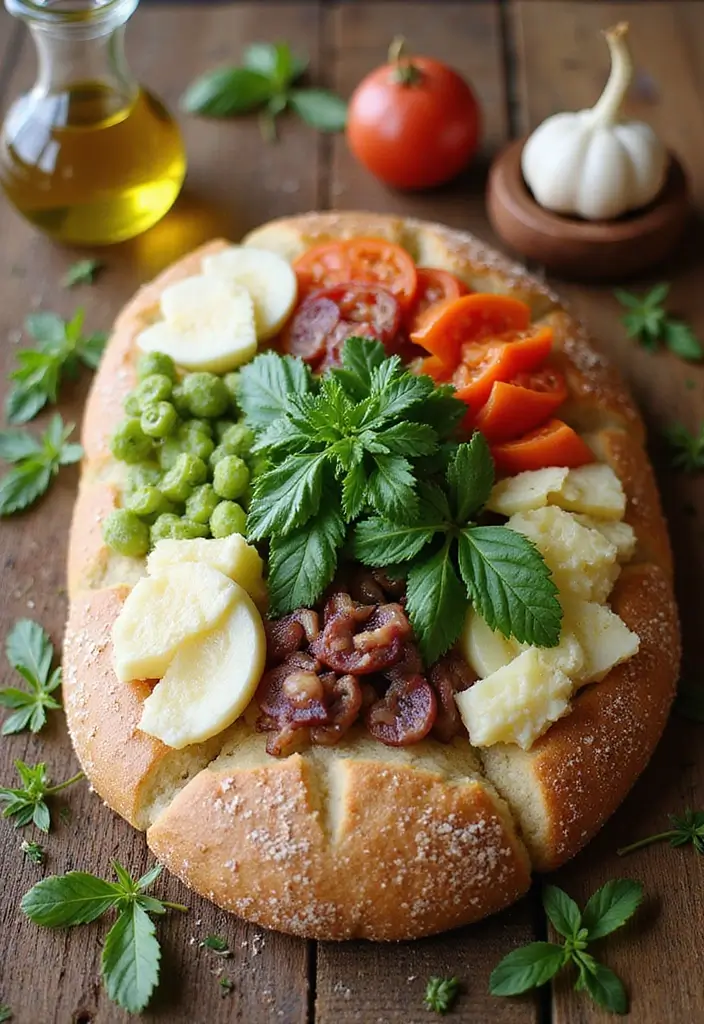
Crafting the ideal ciabatta requires a few simple yet essential ingredients:
– 500g strong bread flour: Gives the bread its structure and chewiness.
– 400ml water: Hydration is crucial for that airy texture.
– 2 tsp salt: Enhances flavor and helps control yeast activity.
– 2 tsp Red Star Active Dry Yeast, 2 Pound Pouch: For leavening and a lovely rise. This high-quality yeast ensures that your dough will rise beautifully, contributing to that light and airy texture we associate with traditional ciabatta.
For added flavor, consider using high-quality olive oil or even experimenting with different types of flour, like whole wheat or semolina. Each ingredient plays a vital role in the final product. Using top-notch ingredients will truly elevate your homemade ciabatta and give it that artisanal touch!



The Magic of the Sponge Method

One of the secrets to achieving that signature ciabatta lightness is the sponge method. This technique involves creating a pre-ferment that boosts flavor and improves texture.
To make the sponge, combine 100g of flour, 100ml of water, and a pinch of yeast. Let it sit for 12-16 hours at room temperature. This process allows the yeast to develop, giving your bread a lovely depth of flavor. To ensure accuracy in your measurements, consider using a digital kitchen scale, which will help you get the precise amounts needed for your sponge and other ingredients. Here’s why you should embrace this method:
– Enhances flavor complexity
– Improves dough strength
– Increases shelf life of the bread
Don’t skip this step! Creating a sponge takes a bit of patience, but the rewards are absolutely worth it. A good sponge sets the foundation for your ciabatta to rise beautifully.
While you’re baking, a bread baking stone can make a significant difference in achieving that perfect crust. It evenly distributes heat and helps maintain the temperature, ensuring your ciabatta bakes to perfection.
Lastly, for handling the dough, a dough scraper can be your best friend. It allows you to easily manage and shape the sticky dough without making too much mess, ensuring a smoother process.
Unlock the secret to ciabatta magic with the sponge method! Just a simple mix of flour, water, and yeast can elevate your bread to new heights of flavor and texture.



Step-by-Step Instructions for Baking Ciabatta
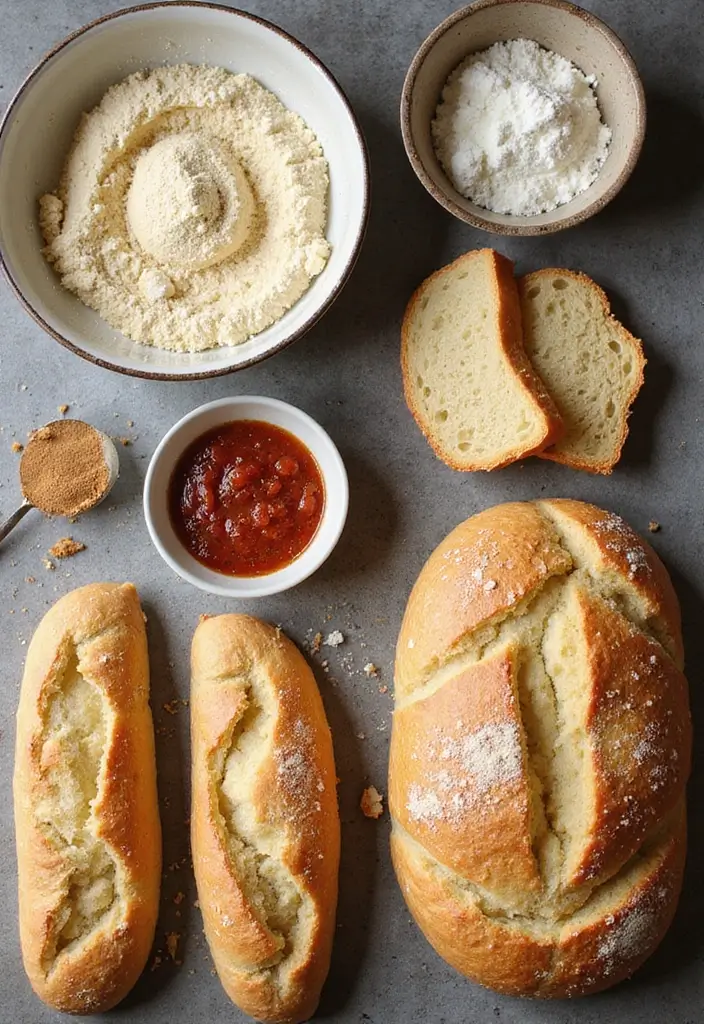
Ready to bake your delicious ciabatta? Follow these simple steps for a perfect loaf:
1. **Prepare the Sponge**: Mix together flour, water, and yeast. Let it sit.
2. **Combine Dough Ingredients**: In a large bowl, mix the sponge with more flour, water, and salt.
3. **Knead the Dough**: Use a wet hand to stretch and fold the dough gently to retain the air. A useful tool for this step is a bench scraper, which makes it easier to handle the dough and helps prevent sticking.
4. **First Rise**: Allow the dough to rise for 1-2 hours until it doubles in size.
5. **Shape the Loaf**: Gently turn the dough out onto a floured surface and divide it. Shape your ciabatta.
6. **Second Rise**: Cover and let the shaped dough rise for 30-45 minutes.
7. **Preheat Oven**: While the dough is rising, preheat your oven to 220°C (430°F).
8. **Bake**: For perfect crusty ciabatta, place the loaves on a baking stone, like the baking stone, which ensures even heat distribution. Bake for 25-30 minutes until golden.
9. **Cool**: Allow to cool on a rack before slicing.
To measure your ingredients accurately, consider using a digital kitchen scale. It helps ensure you get the right proportions for a successful loaf.
Enjoy the fruits of your labor with fresh homemade ciabatta that’s crusty on the outside and airy on the inside!


Tips for the Best Ciabatta Bread

Creating a perfect ciabatta takes practice, but these tips can help elevate your baking game:
– Don’t rush the rising: Allow your dough to rise adequately; this enhances flavor and texture. Patience in this step can significantly impact the final product.
– Use plenty of flour when shaping: This prevents sticking and helps maintain the airy structure. A good dough scraper can aid in handling the dough without making a mess.
– Experiment with steam: Place a pan of water in the oven for the first part of baking to create steam—this helps form a crispy crust. An anti-jamming steam pan is perfect for generating steam in your oven and enhancing the crust’s texture.
– Invest in a baking stone: A baking stone helps retain heat and ensures even baking, giving your ciabatta that professional touch.
– Let it cool before slicing: This allows the crumb to set properly for the ideal texture.
Following these tips will ensure that your ciabatta has that perfect balance of crust and airy goodness. Each loaf you make will bring you closer to mastering this classic Italian bread!


Frequently Asked Questions About Ciabatta Bread
Baking ciabatta can raise a few questions. Here are some of the most common ones:
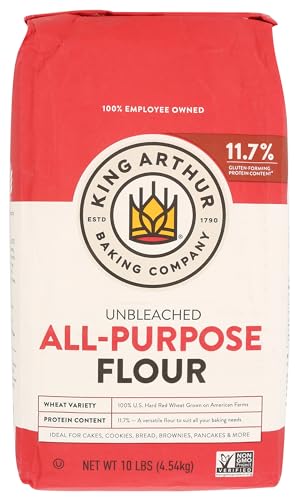
– **Can I use all-purpose flour?** While you can, using bread flour, like Gold Medal Premium Quality Bread Flour for Baking, 5 lb, results in a better structure for your ciabatta.
– **What if my dough is too sticky?** Don’t be afraid to add a bit more flour while shaping, but avoid overdoing it. A great tool for managing sticky dough is a dough scraper, such as the OXO Good Grips Stainless Steel Bench Scraper & Chopper. It helps you handle the dough with ease without making a mess.
– **How do I store ciabatta?** Keep it in a paper bag at room temperature or freeze it for longer storage to prevent it from getting stale. For a convenient storage option, consider using 50 pcs bread bags for homemade bread. These bags are thicker and designed to keep your bread fresh longer.
– **Can I add herbs or cheese?** Absolutely! Feel free to experiment with flavors to create your own signature ciabatta.
These insights can help demystify the process and set you on the right path toward baking success!
Conclusion: Your Journey to Artisan Ciabatta
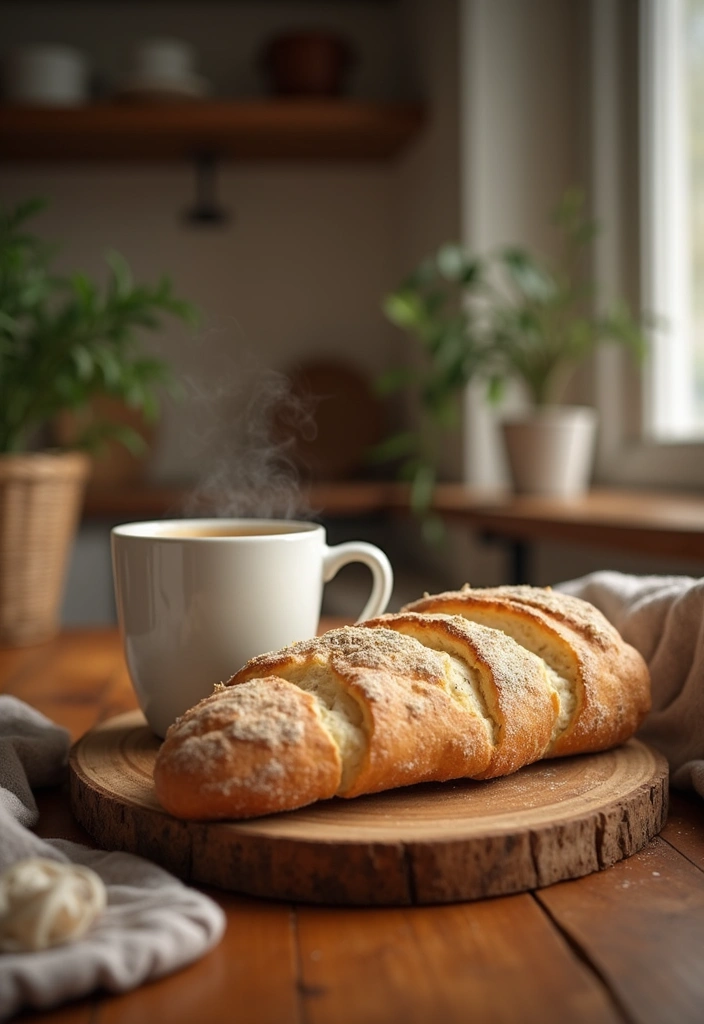
Baking your own ciabatta is not just about creating a tasty loaf; it’s about enjoying the journey and the satisfaction that comes with it.
By following these techniques and tips, you’ll be well on your way to mastering this artisan bread in your very own kitchen.
Feel free to share your baking adventures and don’t hesitate to experiment! Happy baking!
Note: We aim to provide accurate product links, but some may occasionally expire or become unavailable. If this happens, please search directly on Amazon for the product or a suitable alternative.
This post contains Amazon affiliate links, meaning I may earn a small commission if you purchase through my links, at no extra cost to you.
Frequently Asked Questions
What Makes Ciabatta Bread Different from Other Types of Bread?
Ciabatta bread is known for its unique crispy crust and airy interior. Unlike traditional sandwich bread, ciabatta has a more rustic appearance and a chewy texture due to its high hydration level. This Italian bread is often characterized by its elongated shape and large holes inside, which are achieved through specific baking techniques and ingredients.
Can I Use Whole Wheat Flour Instead of Bread Flour for Ciabatta?
While it’s possible to use whole wheat flour, it may affect the texture and flavor of your ciabatta. Using strong bread flour is recommended for that perfect chewy texture and structure. If you want to experiment with whole wheat, consider mixing it with bread flour for the best results while still enjoying the nutritional benefits!
How Do I Achieve a Perfect Crust on My Ciabatta Bread?
To get that desirable crust, you need to create steam in your oven while baking. One effective method is to place a pan of hot water at the bottom of the oven or mist the oven with water just before closing the door. This steam helps develop a crusty exterior while keeping the inside soft and airy. Don’t forget to preheat your oven to ensure a good rise!
Can I Freeze Homemade Ciabatta Bread?
Absolutely! Freezing homemade ciabatta is a great way to preserve its freshness. Allow the bread to cool completely, then wrap it tightly in plastic wrap or aluminum foil. You can store it in a freezer bag for up to 3 months. When you’re ready to enjoy it, simply thaw at room temperature and reheat it in the oven for a few minutes to restore that crispy crust!
What Are Some Common Mistakes to Avoid When Baking Ciabatta?
One common mistake is rushing the rising time. Ciabatta needs adequate time to rise to develop its flavor and texture, so be patient! Another mistake is not using enough flour when shaping the dough, which can make handling tricky. Also, remember to use a gentle touch to preserve the airiness of the dough as you shape it. Following these tips will help you achieve that perfect homemade ciabatta!