
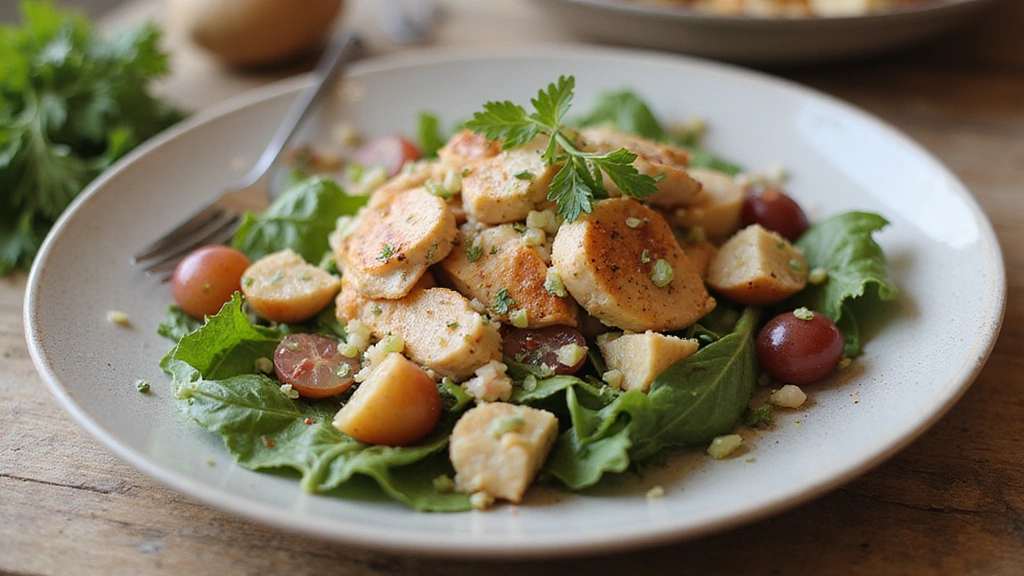
This classic Chicken Salad with Grapes brings together savory and sweet elements for a dish that’s both refreshing and satisfying.
The crispness of the grapes contrasts beautifully with the tender chicken, creating a delightful texture in every bite.
I first encountered this recipe at a summer picnic where its vibrant flavors and easy preparation made it a hit among friends and family.
Perfect for warm weather gatherings, this chicken salad is versatile enough to serve as a light lunch or a hearty side dish at barbecues.
The History and Cultural Significance
• Chicken Salad With Grapes traces its origins to the United States in the early 20th century, where it was originally created as a way to use leftover poultry.
• The dish evolved over decades as chefs began to incorporate fruits and nuts, eventually becoming the beloved version we know today.
• In American culture, this dish traditionally appears at summer picnics and potlucks, symbolizing community and shared meals.
• While many variations exist across different regions, the authentic version maintains the unique combination of chicken and grapes that sets it apart from imitations.


Recipe Overview
Nutritional Information (per serving)




Ingredients




Essential Equipment Guide
Mixing Bowl: A large mixing bowl is essential for combining the ingredients without making a mess. Look for a bowl that is deep enough to allow for tossing without spillage. Stainless steel or glass options are preferred for durability.
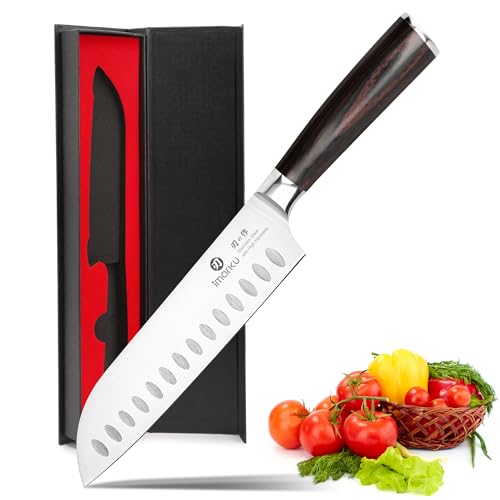
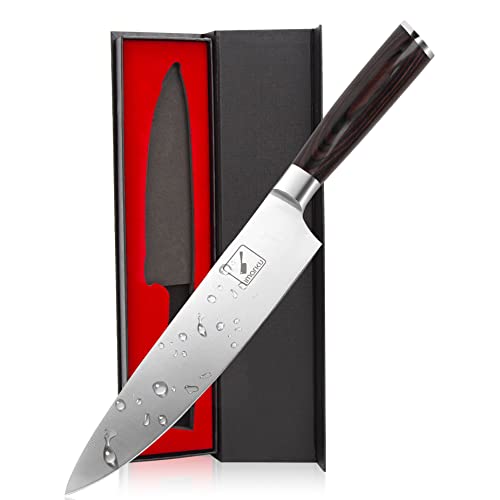
Chef’s Knife: A sharp chef’s knife is key for precise chopping of vegetables and herbs. Ensure it has a comfortable grip and a balanced weight for better control while cutting. A good quality knife will make your prep faster and safer.
Measuring Cups and Spoons: Accurate measurements are crucial for achieving the right flavor balance. Invest in a set of measuring cups and spoons that are clearly marked and easy to read. This will help you maintain consistency in your recipes.


Preparation Methods
Shredding Chicken: Shredding chicken helps to create a tender texture that easily absorbs the flavors of the dressing. Use two forks to pull the chicken apart, ensuring even shreds. For a quicker option, you can also use a stand mixer with a paddle attachment.
Chopping Vegetables: Proper chopping techniques ensure that all ingredients are evenly distributed in the salad. Use a sharp knife and cut the celery and green onions into uniform pieces for consistent texture. A cutting board with a non-slip surface can help provide stability while chopping.
Making the Dressing: Combining the dressing ingredients in a separate bowl allows for better control over the flavor. Whisk together the mayonnaise, yogurt, lemon juice, salt, and pepper until smooth. Taste the dressing before adding it to the salad to adjust seasoning as needed.



Step 1: Prepare Ingredients

Begin by gathering all your ingredients on the countertop.
This will streamline the process and ensure you have everything at hand.
Wash the grapes thoroughly and pat them dry with a paper towel.
Chop the celery and slice the green onions as needed for your salad.
Step 2: Shred the Chicken

Using two forks, shred the cooked chicken into bite-sized pieces.
Make sure the chicken is not too hot; this makes shredding easier.
Aim for even shreds to ensure consistent texture throughout the salad.
Place the shredded chicken in a large mixing bowl.
Step 3: Chop Vegetables

Finely chop the celery and slice the green onions.
The celery should be chopped into small pieces for added crunch in every bite.
Add the chopped vegetables to the bowl with the shredded chicken.
This will prepare the base of your chicken salad.
Step 4: Prepare the Dressing

In a separate bowl, whisk together the mayonnaise, Greek yogurt, lemon juice, salt, and pepper.
Make sure the dressing is smooth and well combined for even distribution.
Taste the dressing and adjust the seasoning if needed.
Set the dressing aside while you finish prepping the salad.


Step 5: Combine Ingredients

Add the halved grapes and any optional add-ins like almonds or parsley to the chicken and vegetable mixture.
Gently fold the ingredients together to avoid crushing the grapes.
Ensure everything is well mixed, but be cautious to keep the texture intact.
This step is crucial for an even distribution of flavors.
Step 6: Add Dressing

Pour the prepared dressing over the chicken salad mixture.
Use a spatula to fold the dressing into the salad gently.
The goal is to coat all the ingredients without making the salad too soggy.
This will enhance the flavors while maintaining the salad’s freshness.




Step 7: Taste and Adjust
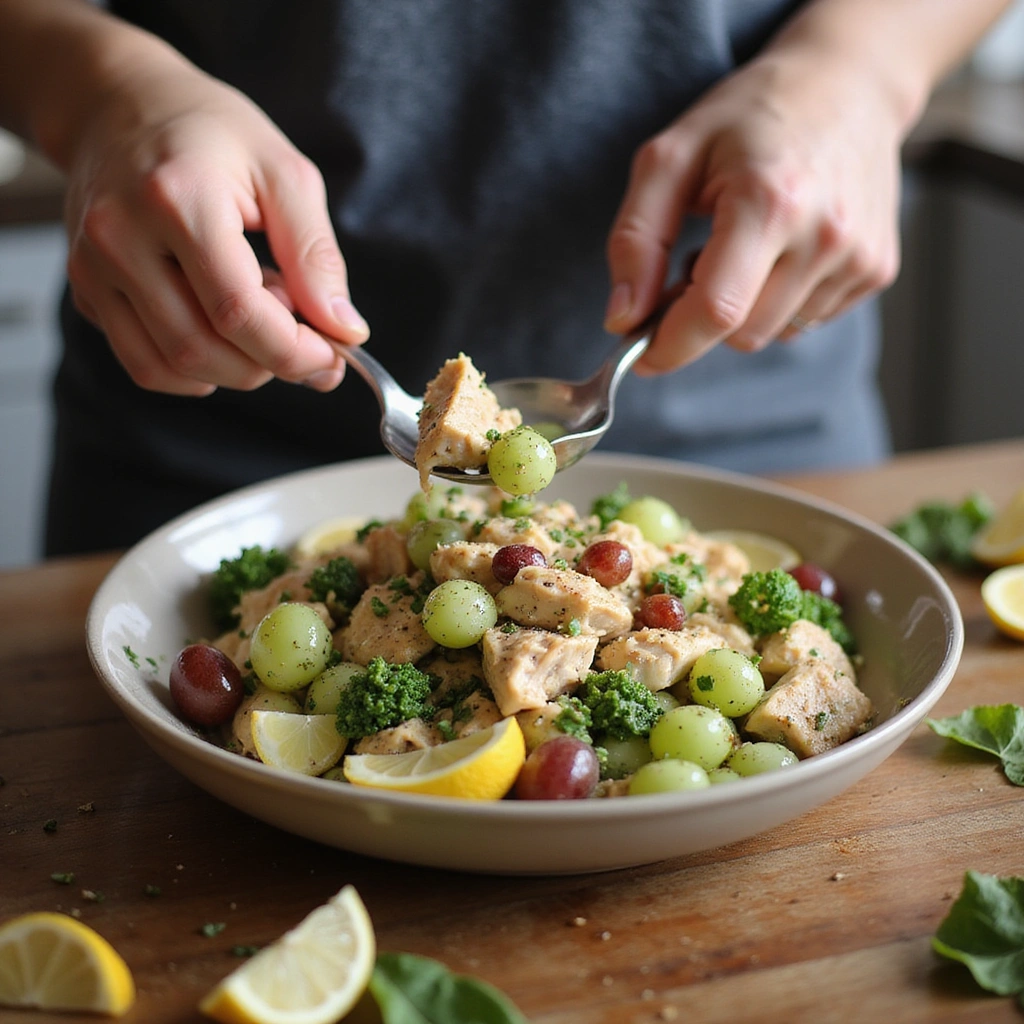
Taste the chicken salad to check for seasoning and flavor balance.
If desired, add more salt, pepper, or lemon juice to brighten the flavors.
This step ensures that all flavors come together harmoniously.
Adjusting at this stage will make a significant difference in the final dish.
Step 8: Chill and Serve
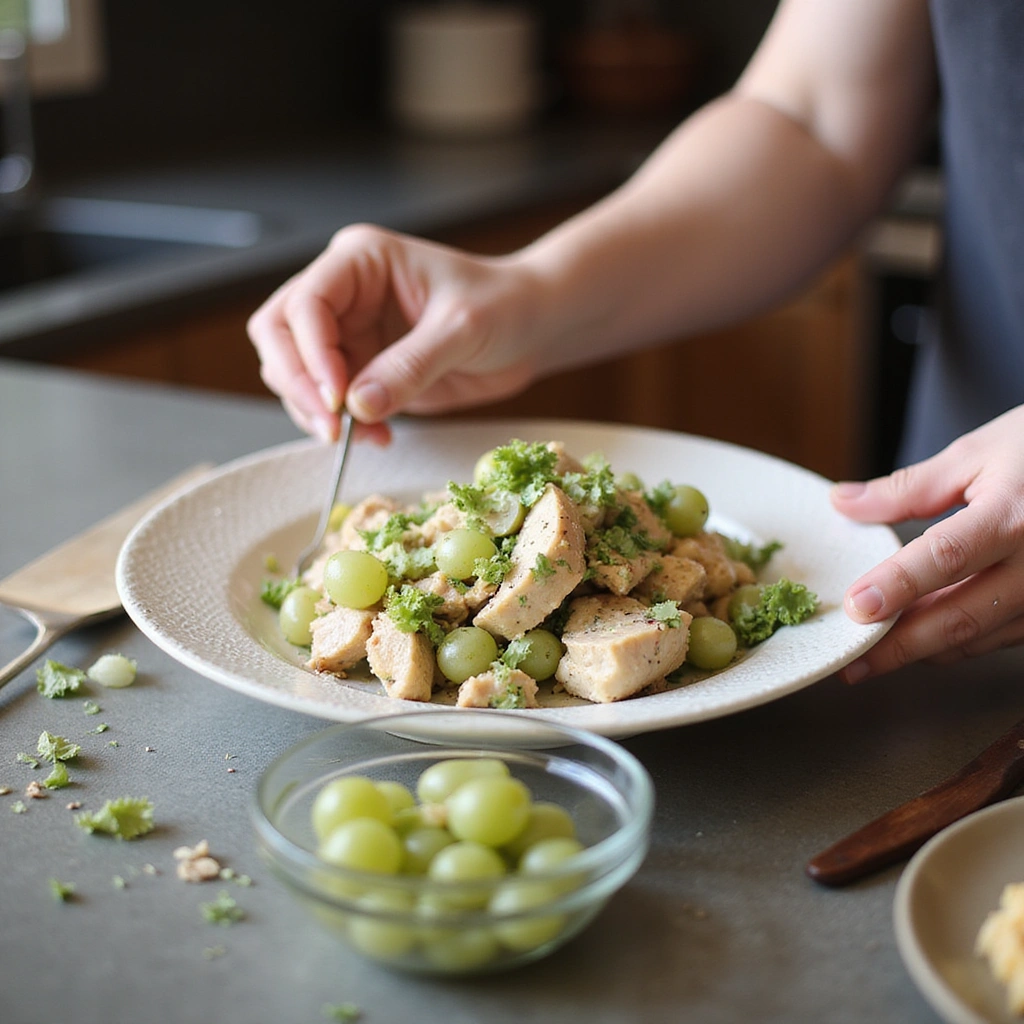
Cover the chicken salad with plastic wrap and refrigerate for at least 30 minutes.
Chilling allows the flavors to meld together beautifully.
When ready to serve, stir the salad gently and garnish with additional parsley if desired.
Serve chilled on a bed of greens or in a sandwich.
Critical Timing and Temperature Guide
Chilling Time: Allow the salad to chill for at least 30 minutes in the refrigerator. This helps the flavors combine. Avoid skipping this step as it enhances the taste significantly.
Ingredient Temperature: Ingredients should be at room temperature before combining. This helps to maintain the freshness of the salad. If the chicken is too warm, it may wilt the vegetables.
Serving Temperature: Serve the salad chilled for the best flavor. Warm chicken salad can lose its refreshing quality, so always refrigerate before serving.
Pro Tips for Chicken Salad With Grapes
• Ingredient Selection: Choose the freshest grapes and high-quality chicken for the best flavor. Rotisserie chicken adds extra depth.
• Preparation Secret: Letting the salad sit for a bit before serving allows flavors to develop further, enhancing the taste.
• Temperature Management: Ensure all ingredients, especially chicken, are cooled before mixing to prevent wilting.
• Texture Enhancement: Using a variety of textures, such as crunchy celery and smooth dressing, elevates the eating experience.
• Flavor Layering: Adding a dash of mustard to the dressing can create an interesting flavor profile.
• Make-Ahead Strategies: Prepare the salad up to a day in advance and store it in an airtight container.
• Restaurant-Quality Finishing Touches: Garnish with freshly chopped herbs just before serving for a pop of color.
• Equipment Optimization: Utilize a food processor for quick chopping of vegetables if you’re short on time.
Troubleshooting Common Issues
• Texture Too Wet: This can happen if too much dressing is added or if the salad sits too long. To fix, add more chicken or celery to absorb excess moisture.
• Flavors Unbalanced: If the salad lacks flavor, consider adding more salt, pepper, or a squeeze of lemon juice for brightness. Always taste before serving.
• Ingredients Soggy: Avoid this by keeping the salad chilled and not letting it sit out for extended periods.
• Chicken Overcooked: Overcooked chicken can be dry. Use a meat thermometer to ensure chicken is cooked to 165°F, and consider using a moist cooking method.
• Too Much Grapes: If the salad is overly sweet, balance it by adding more salt or acidity with lemon juice.
Variations and Regional Differences
• Southern Style Chicken Salad: This version often includes hard-boiled eggs and sweet pickles for a unique sweet and savory flavor combination.
• Curried Chicken Salad: This variation adds curry powder along with raisins for a spicy twist, reflecting Indian influences.
• Greek Yogurt Chicken Salad: Substituting Greek yogurt for mayonnaise provides a healthier option while maintaining creaminess.
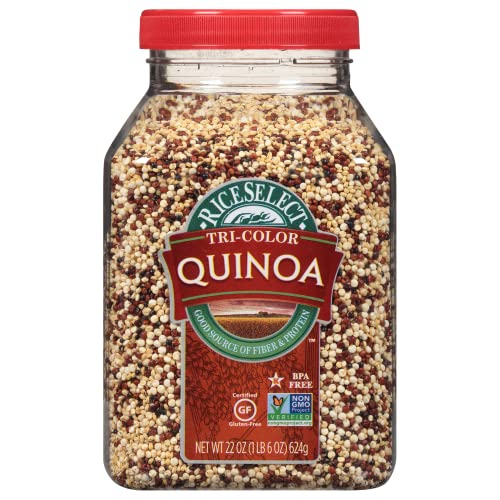
• Modern Interpretations: Current trends may include adding superfoods like quinoa or using avocado instead of mayonnaise for a healthier take.




Food Science Behind the Recipe
• Emulsification: The process of mixing mayonnaise and yogurt creates a stable emulsion that coats the salad ingredients, enhancing flavor and texture.
• Flavor Development: Chilling the salad allows the flavors to meld, as the cold temperature slows down enzymatic reactions that can break down taste components.
• Maillard Reaction: If you opt to roast your chicken instead of boiling, the Maillard reaction enhances flavor through browning, adding depth to the dish.
Frequently Asked Questions
What’s the most common mistake people make when preparing Chicken Salad with Grapes? One common mistake is over-dressing the salad, which can make it soggy. To prevent this, start with a small amount of dressing and add more as needed.
Can I prepare components of this dish in advance? Yes, you can pre-cook the chicken and chop the vegetables a day ahead. Store them separately in airtight containers.
How do I adapt this recipe for dietary restrictions? For a gluten-free version, ensure all ingredients, especially dressings, are certified gluten-free. You can substitute Greek yogurt for a dairy-free option.
What’s the best way to store and reheat leftovers? Store leftovers in an airtight container in the fridge for up to 3 days. Do not reheat, as this dish is best served cold.
Can I freeze this dish? Freezing is not recommended, as the texture of the grapes and dressing will be compromised upon thawing.
What wine or beverages pair best with this dish? A light, crisp white wine like Sauvignon Blanc complements the bright flavors of the salad beautifully.
How can I scale this recipe up for a crowd? Simply multiply the ingredients by the number of servings needed, but consider preparing the dressing in batches for easier mixing.
What side dishes complement this recipe best? A simple green salad or crusty bread pairs well and balances the flavors of the chicken salad.
How do professional chefs elevate this dish for restaurant service? Chefs might serve it on a bed of mixed greens or use a ring mold for a visually appealing presentation.
Serving and Presentation Guide
• Traditional Presentation: Serve the chicken salad on a bed of crisp lettuce leaves with a sprinkle of fresh herbs on top. Use a large serving bowl for a family-style presentation.
• Modern Plating Ideas: For a contemporary twist, use a ring mold to create individual portions and garnish with edible flowers or microgreens for visual appeal.
• Accompaniment Suggestions: Pair with whole grain crackers or fresh fruit for a balanced meal.
• Special Occasion Presentation: For formal gatherings, serve on elegant salad plates with a drizzle of balsamic reduction for added flavor and style.
Conclusion
This Chicken Salad with Grapes is a delightful dish that brings together flavors and textures in a refreshing way.
I encourage you to try making it for your next gathering or as a satisfying lunch.
With simple ingredients and easy preparation, it’s a recipe that will surely impress your family and friends.