

When time is short and hunger strikes, fast and easy dinner recipes are a lifesaver for busy weeknights.
These dishes combine simplicity and flavor, ensuring that you can whip up a satisfying meal without the fuss.
With vibrant ingredients and quick cooking techniques, these recipes bring joy to the dinner table in mere minutes.
Whether you’re cooking for one or feeding a family, these meals are both delicious and approachable, making them perfect for any occasion.
The History and Cultural Significance
• Fast And Easy Dinner Recipes To Try Tonight traces its origins to the culinary traditions of home cooks who needed to satisfy family needs quickly.
• The dish evolved over decades as cooking technology advanced and food became more accessible, eventually becoming the beloved versions we know today.
• In many cultures, quick dinner recipes are staples for weeknight meals, symbolizing the balance between convenience and nourishment.
• While many variations exist across different regions, the authentic versions maintain a core simplicity and fresh flavor that set them apart from more elaborate dishes.
Recommended Products

What You Get: One 13.5 oz. bottle of P.F. Chang’s Home Menu Sesame Sauce


Recipe Overview
Recommended Products

【15 Pieces Multipurpose Knife Set】 15 pieces knife set includes: 8" Chef knife, 8" Slicing knife, 7" Santoku knife, 8" Serrated bread knife, 5" Utility knife, 3.5" Paring knife, 6 Pcs 4.5" serrated steak knife, 1 Pc kitchen shear, and Black hard wood Knife Block with built-in Knife Sharpener.
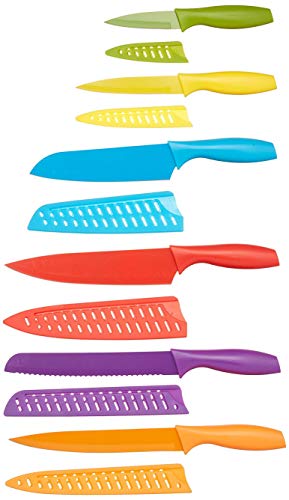
12-piece color-coded knife set includes 6 knives with matching knife covers; Knives include: paring knife, utility knife, Santoku knife, carving knife, chef’s knife, and bread knife

【AESTHETIC KITCHEN UPGRADE】 Warm wood grain handles and a sleek black knife block make this set a countertop centerpiece — a seamless blend of modern style and everyday function that elevates any kitchen aesthetic.
Nutritional Information (per serving)
Recommended Products

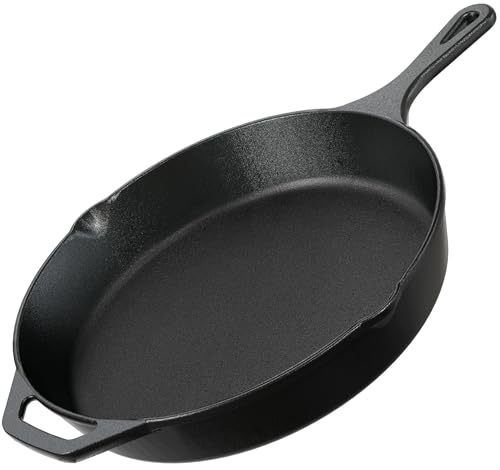
Durable Cast Iron Construction: Made from cast iron for long-lasting use and even heat distribution.

Versatile Cooking Skillet: The Lodge Cast Iron Skillet is a multipurpose, everyday cooking pan that excels at searing, sautéing, baking, frying, and campfire meals

PREMIUM MATERIAL: This Cast iron dutch oven made of high-quality cast iron core, coated with food grade enamel coating; Durable and sturdy structure, the cast iron core achieves even heat distribution, maximizing the preservation of the original nutrition and taste of the food


Ingredients
Recommended Products

Versatile 2-piece set: Includes one 7.25 x 10.75 inch Prep Board and one 9 x 12.9 inch Everyday Cutting Board, perfect for slicing, dicing and daily kitchen prep

Compact 7.23-in x 10.75-in Prep Board is ideal for smaller slicing tasks

ULTRA DURABLE STRENGTH: 3rd Party Tested for durability, thick cutting boards have a nonporous surface that won’t splinter or peel, unlike wood cutting boards or a bamboo cutting board; deep grooves help catch messy juices while our strong design is built to last in your home to handle tough messes



Essential Equipment Guide
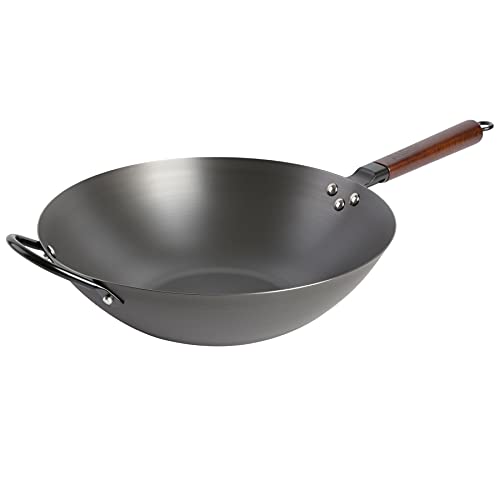
Skillet: A high-quality skillet is essential for achieving the right sear and even cooking of proteins and vegetables. Look for a non-stick or cast iron skillet for best results, as they distribute heat evenly and are durable.
Cutting Board: A sturdy cutting board is important for safe and efficient chopping of ingredients. Opt for a wood or plastic board that provides a stable surface to minimize slipping while you prep.
Chef’s Knife: A sharp chef’s knife is crucial for quickly and accurately cutting vegetables and proteins. Ensure it feels comfortable in your hand and is well-balanced to reduce fatigue during prep.
Recommended Products

【HYBRID TRI-PLY STAINLESS STEEL PERFORMANCE】Engineered with a responsive aluminum core bonded between layers of premium stainless steel, this 5.5-quart saute pan offers rapid, even heat distribution. The advanced etched honeycomb structure elevates the steel mesh above the nonstick surface, ensuring the pan withstands metal utensils and maintains its form over time. It delivers the searing power of steel with the ease of ceramic, perfect for browning meats or simmering hearty stews.


Preparation Methods
Chop: Chopping ingredients evenly ensures they cook at the same rate. Use a sharp knife and a stable cutting board to make precise cuts, and always keep your fingers tucked in for safety.
Sauté: Sautéing involves cooking ingredients quickly in a small amount of oil over high heat. This technique allows for maximum flavor development and retains the texture of vegetables.
Simmer: Simmering is a gentle cooking method that helps flavors meld and develop. Keep the heat low and maintain small bubbles to avoid boiling over.
Recommended Products

OFFICIAL KNIVES FROM THE SHOW: This exclusive knife set is used by the contestants in the US edition of MasterChef from Season 12 onwards.

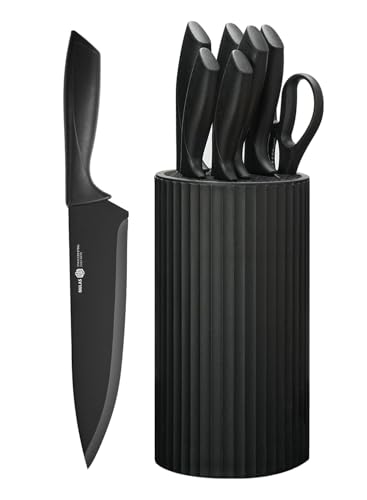
KITCHEN KNIFE SET - This 8-piece set includes all essential knives: 8" chef's knife, 7" Santoku knife, 8" serrated bread knife, 5" utility knife, 3.5" paring knife, kitchen shears, and a universal knife block. Perfect for slicing, dicing, chopping, and more


Step 1: Prepare Ingredients
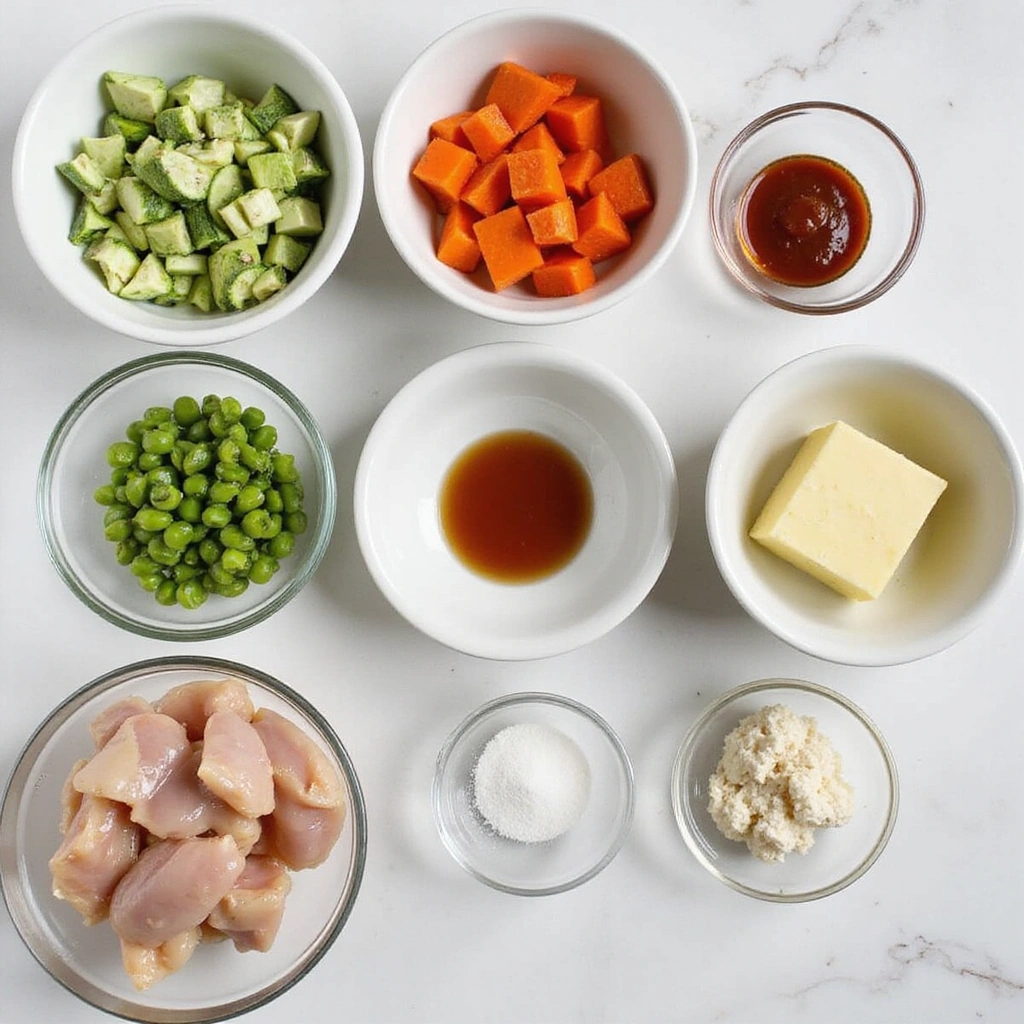
Begin by gathering all your ingredients on the counter.
Wash and chop the vegetables into bite-sized pieces.
Make sure to cut the chicken into uniform pieces for even cooking.
Organize everything in small bowls for easy access while cooking.
Recommended Products

Quality Cast Iron Frying Pan: The Lodge Seasoned Cast Iron Skillet is loved for its great heat retention, incredible durability, and ability to make almost any recipe you dream up


CAST IRON SKILLET is 10.25 inches in diameter and includes red silicone hot handle holder. An improvement on the original: the Lodge Cast Iron Skillet, featuring an assist handle. This will be your go-to pan for generations to come
Step 2: Heat the Skillet
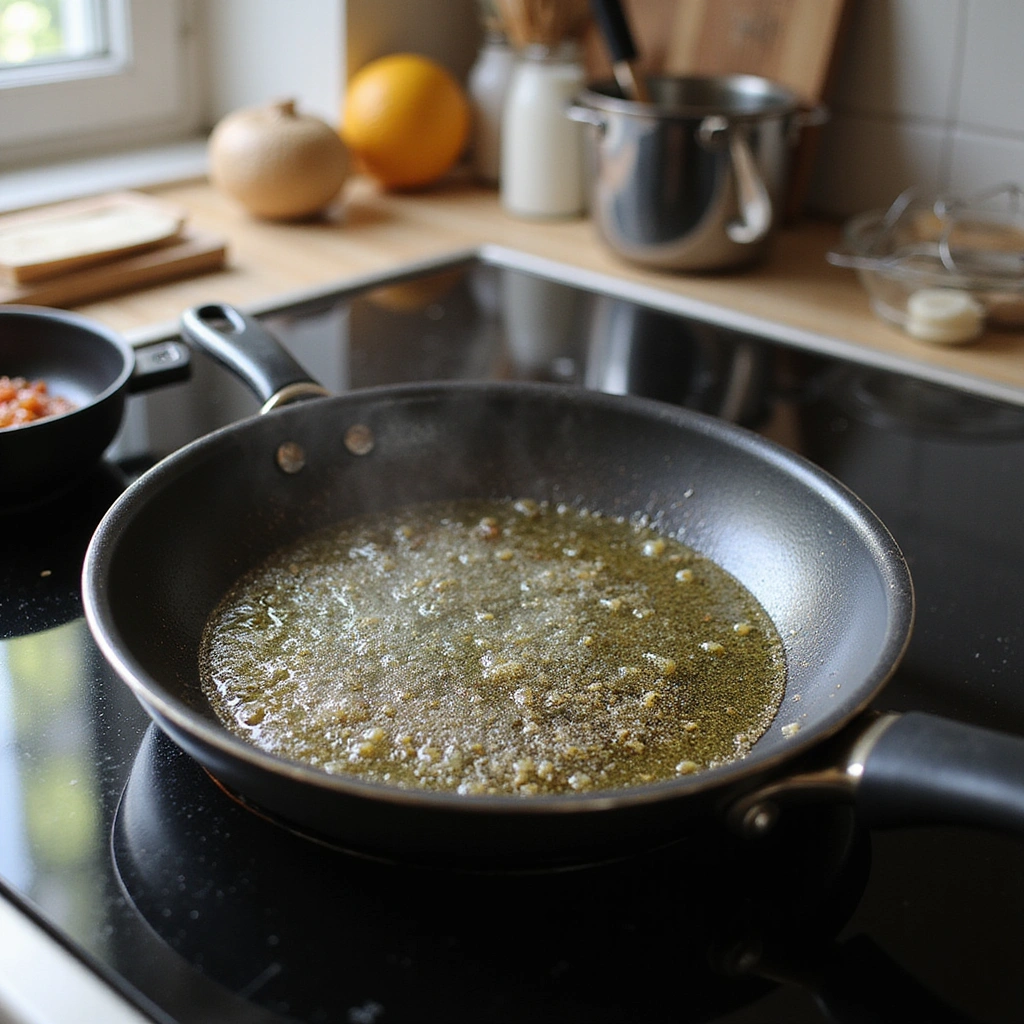
Place your skillet over medium-high heat and add a tablespoon of oil.
Allow the oil to heat until it shimmers, indicating it’s ready for cooking.
Be careful not to let it smoke, as this can impart an unpleasant flavor.
Swirl the oil to coat the bottom of the skillet evenly.
Recommended Products

QUALITY MATERIALS: This cutting board is made of polypropylene plastic. The poly material is non absorbent, nonporous, and will not harbor stains. It is gentle on knives, keeping their blades from getting dull quicker

PREMIUM QUALITY AND DURABLE: THETCHRY plastic cutting boards for kitchen is made of high-quality food-grade plastic, which is safe and healthy. And the surface of the cutting board is tough enough to withstand chopping, slicing and dicing various foods. Even after long-term use and repeated washing, it will not bend or break, and can be used by you and your family for a long time.

Large 10.39-in x 14.78-in Utility Cutting Board is ideal for big meals


Step 3: Sauté the Chicken
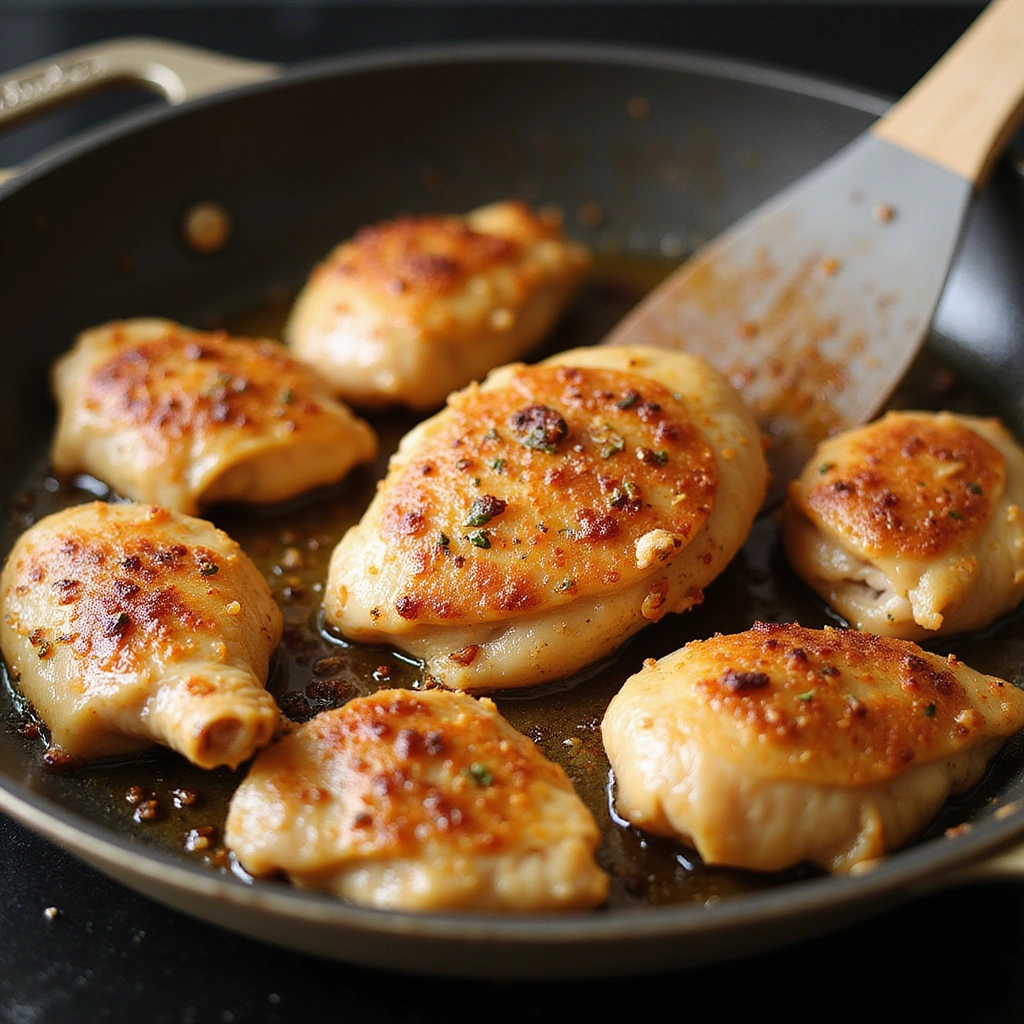
Add the chopped chicken pieces to the hot skillet in a single layer.
Cook for about 5-7 minutes until the chicken is browned and cooked through.
Stir occasionally to ensure even cooking and prevent sticking.
Check that the internal temperature reaches 165°F for safety.
Recommended Products


One 8 oz pouch of Frontera Mild Chicken Taco Skillet Sauce with Chipotle and Garlic

GET THAT CLEAN EATING FEELING - Rich Tikka Massala, creamy Thai Coconut Curry, and light, bright Lemongrass Basil Sauces, all in one flavor-packed package! Can't decide which sauce is right for you? We just solved your problem! Whether it's Indian night, a quick chicken dinner, or you need to spice up some leftovers, our cooking sauces do the trick!


Step 4: Add Vegetables
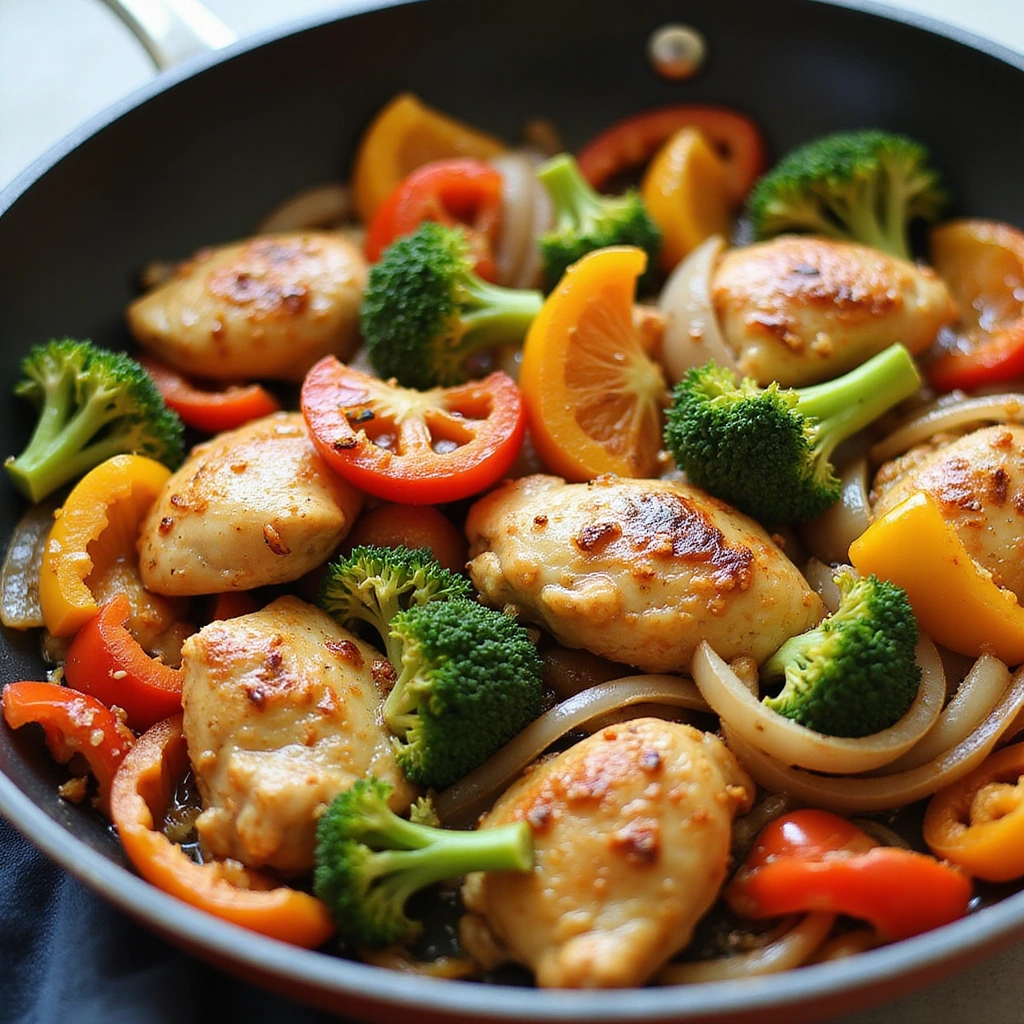
Once the chicken is cooked, add the chopped onion and bell pepper to the skillet.
Sauté for an additional 3-4 minutes until the vegetables are tender-crisp.
Add the broccoli florets last, as they cook quickly.
Look for bright colors and slight tenderness in the vegetables.
Recommended Products

**QUICK & EASY STORAGE - Hold Knives Up To 18” In Length, Stores 10 Kitchen Knives, Chef Utensils And Accessories Such As Knife Sharpener, Paring, Scissors And Other Kitchen Tools | Forms A Tight Roll When Buckled.
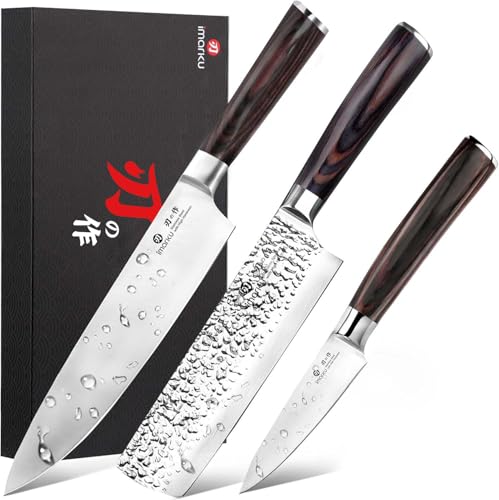
Ultra Sharp Professional Edge:Each knife in the imarku kitchen knife set is carefully hand-polished by skilled craftsmen with a 15° double bevel edge and 2.3mm blade thickness for exceptional cutting precision. These ultra sharp kitchen knives glide effortlessly through vegetables, fruits, fish, and meat, delivering a smooth and professional cooking experience
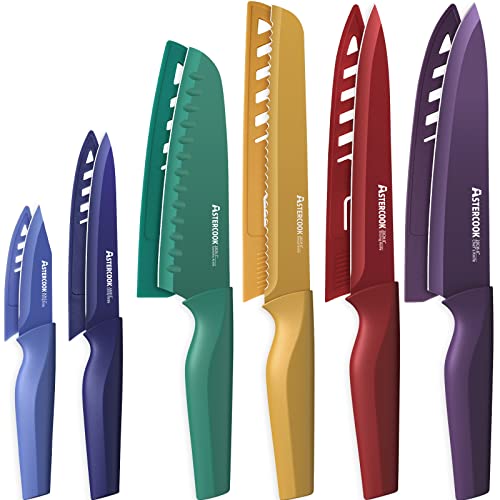
Multipurpose Knife Set: This kitchen knives set includes: 8" Chef Knife, 8" Slicing Knife, 7" Santoku Knife, 8" Serrated Bread Knife, 5" Utility Knife, 3.5" Paring Knife, and six colorful Blade Guards.


Step 5: Prepare the Sauce
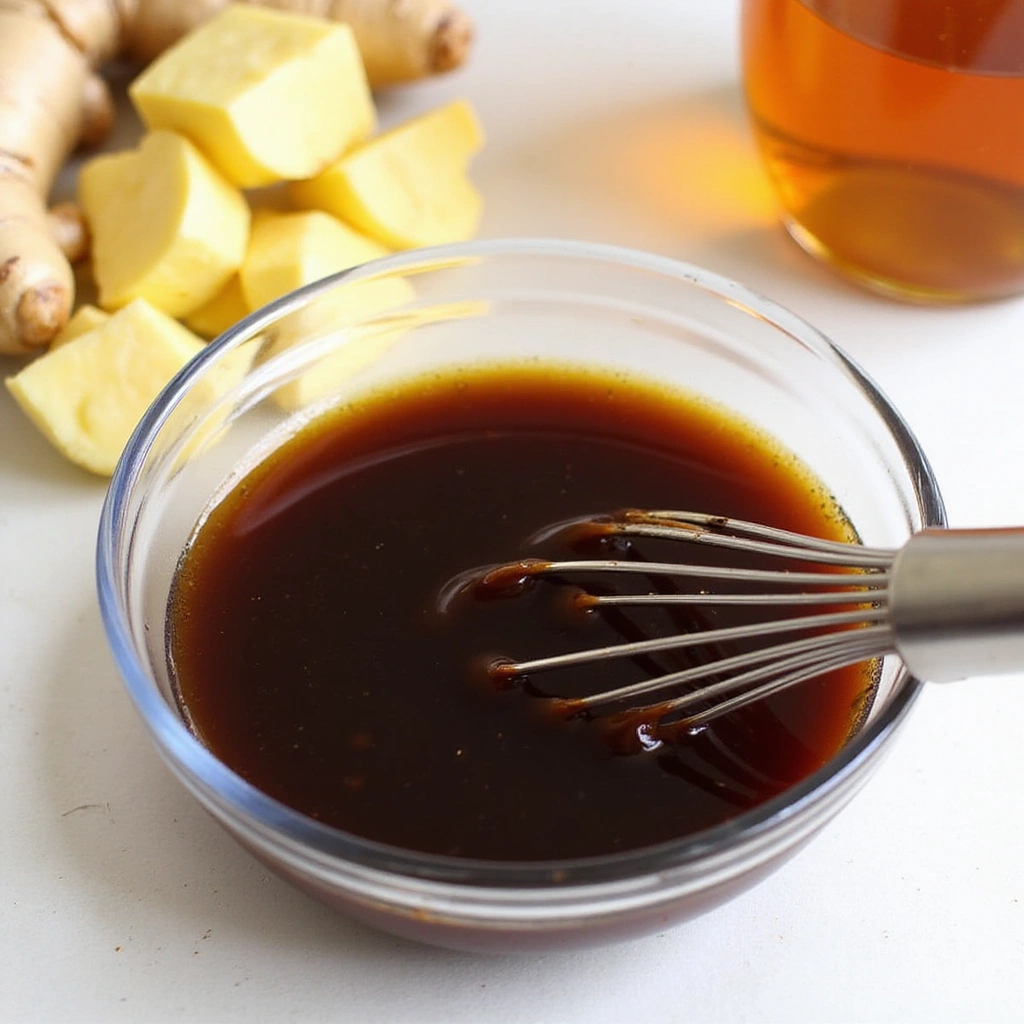
In a small bowl, combine soy sauce, honey, and minced ginger.
Stir until the honey is fully dissolved into the sauce mixture.
This sauce will add depth and sweetness to your dish.
Set it aside until the vegetables are ready.


Step 6: Combine Everything
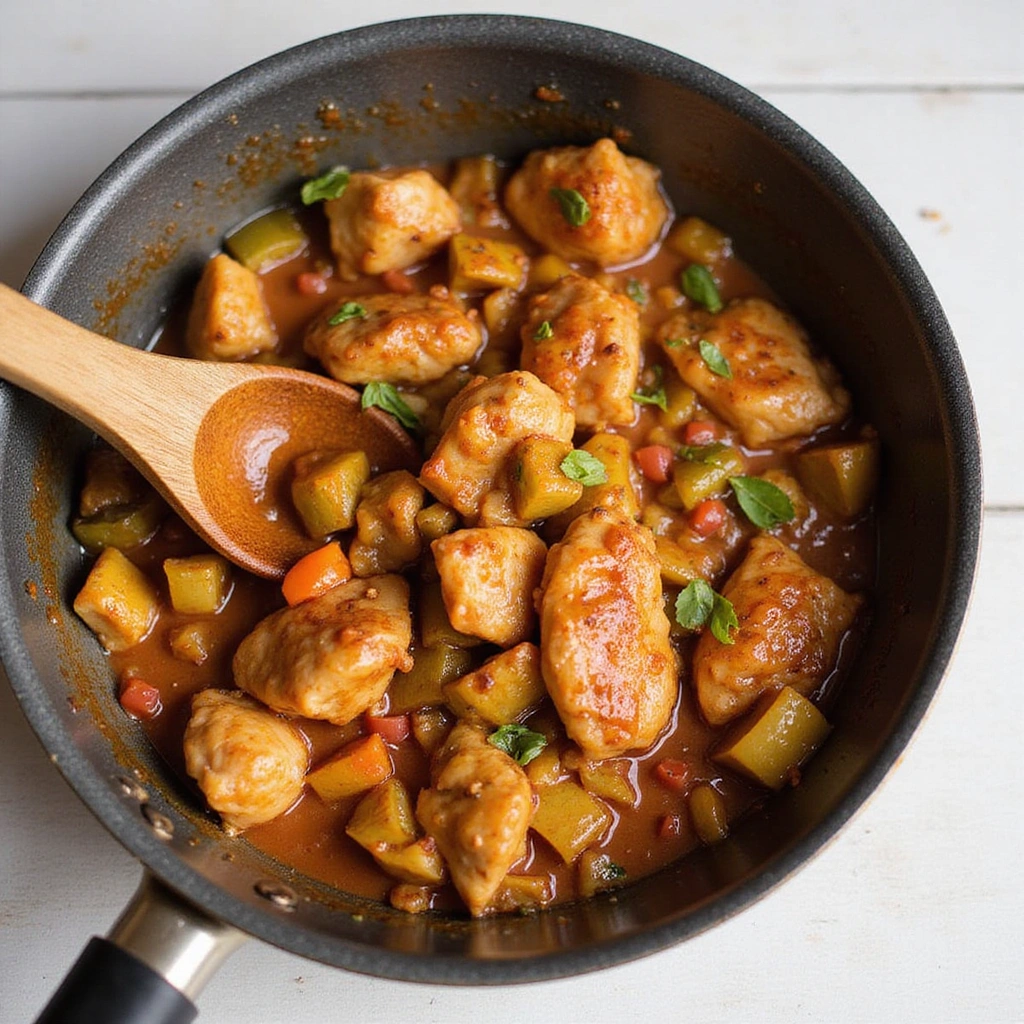
Pour the prepared sauce over the chicken and vegetables in the skillet.
Stir well to coat everything evenly in the sauce.
Allow it to simmer for about 2-3 minutes to meld the flavors.
Watch for the sauce to thicken slightly.
Step 7: Serve Over Rice
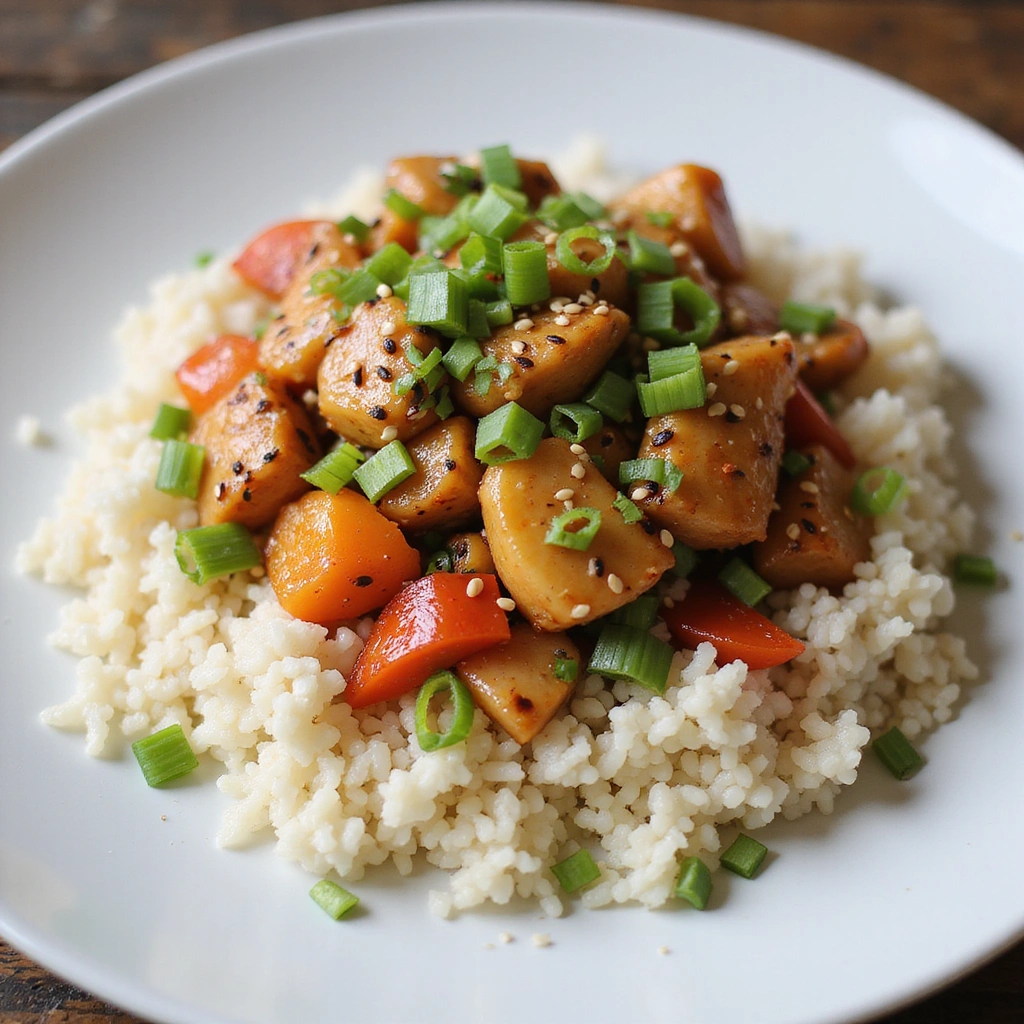
Scoop the cooked rice onto plates or bowls.
Top with the chicken and vegetable mixture, ensuring an even distribution.
Garnish with sesame seeds or chopped green onions for extra flavor.
Serve immediately while hot.


Critical Timing and Temperature Guide
Chicken Cooking: Chicken should be cooked until it reaches an internal temperature of 165°F. Look for golden brown color and no pink inside to confirm doneness. Avoid overcooking to prevent dryness.
Vegetable Tenderness: Vegetables should be cooked until they’re tender yet still crisp, which usually takes about 3-4 minutes after adding to the skillet. They should maintain their vibrant color and a slight crunch. Avoid sogginess by not overcooking.
Simmering Sauce: Allow the sauce to simmer for 2-3 minutes after combining, until it thickens slightly. Look for a glossy sheen as the sauce coats the ingredients. Avoid boiling, as it can alter the flavor.
Pro Tips for Fast And Easy Dinner Recipes To Try Tonight
• Ingredient Selection: Choose fresh, high-quality vegetables and proteins, as they greatly affect the flavor and texture of the dish.
• Preparation Secret: Consider marinating the chicken briefly before cooking to enhance its flavor and juiciness.
• Temperature Management: Ensure your skillet is adequately preheated before adding ingredients to achieve a good sear.
• Texture Enhancement: Sauté vegetables until just tender for the best texture; they should retain a bit of crunch.
• Flavor Layering: Add garlic or red pepper flakes to the sauté for an extra layer of flavor that complements the dish.
• Make-Ahead Strategies: Chop vegetables and marinate chicken the night before to save time on busy evenings.
• Restaurant-Quality Finishing Touches: Drizzle with sesame oil right before serving for a gourmet touch.
• Equipment Optimization: Use a heavy-bottomed skillet to ensure even heat distribution, preventing hot spots.
Troubleshooting Common Issues
• Chicken Too Dry: This can happen if the chicken is overcooked. To prevent this, monitor the cooking time closely and check the internal temperature.
• Vegetables Soggy: Overcooking leads to mushy vegetables. To avoid this, add them to the skillet at the right time and cook until just tender.
• Flavor Too Bland: This often results from not seasoning enough. Taste and adjust seasoning throughout the cooking process, adding salt or spices as needed.
• Sauce Too Thick: If your sauce thickens too much, add a splash of water or broth to loosen it. Stir well to incorporate.
• Rice Overcooked: Overcooked rice can become mushy. Monitor cooking time and follow package instructions carefully for best results.


Variations and Regional Differences
• Thai Style: Incorporates coconut milk and Thai basil, offering a fragrant and creamy version of the dish.
• Mediterranean Twist: Features olives and feta cheese, giving a fresh and tangy flavor profile with the addition of lemon juice.
• Vegetarian Version: Substitute chicken with chickpeas or tofu for a plant-based option that still packs a protein punch.
• Modern Interpretations: Incorporate quinoa instead of rice for a nutritious twist on the classic dish.


Food Science Behind the Recipe
• Maillard Reaction: This chemical reaction occurs when proteins are heated, resulting in browning and enhanced flavor. Understanding this helps achieve the perfect sear on chicken.
• Emulsification: When combining the sauce ingredients, emulsification helps blend the flavors and textures, enhancing the dish’s overall taste. Whisking thoroughly is key.
• Caramelization: The natural sugars in vegetables caramelize when cooked, adding sweetness and depth to the dish. Proper temperature control helps achieve this without burning.
Frequently Asked Questions
What’s the most common mistake people make when preparing fast and easy dinner recipes? One of the biggest mistakes is not prepping all ingredients beforehand, which can lead to overcooking or burning components.
Can I prepare components of this dish in advance? Yes! You can chop vegetables and marinate chicken up to a day in advance, storing them in the refrigerator.
How do I adapt this recipe for dietary restrictions? To make it gluten-free, use tamari instead of soy sauce. For a low-carb option, substitute rice with cauliflower rice.
What’s the best way to store and reheat leftovers? Store leftovers in an airtight container in the fridge for up to 3 days. Reheat in the microwave or on the stovetop until heated through.
Can I freeze this dish? Yes, you can freeze the cooked dish for up to 2 months. Thaw in the refrigerator overnight and reheat on the stovetop.
What wine or beverages pair best with this dish? A crisp white wine, such as Sauvignon Blanc, complements the flavors beautifully, while sparkling water with lemon adds a refreshing touch.
How can I scale this recipe up for a crowd? Simply double or triple the ingredient amounts and use a larger skillet or multiple pans to ensure even cooking.
What side dishes complement this recipe best? Steamed vegetables or a fresh green salad make excellent accompaniments, balancing the meal with lighter flavors.
How do professional chefs elevate this dish for restaurant service? Chefs often add a touch of fresh herbs or a drizzle of specialty oil just before serving for a burst of flavor.
Serving and Presentation Guide
• Traditional Presentation: Serve the dish in a large bowl, garnished with fresh herbs and a sprinkle of sesame seeds for authenticity.
• Modern Plating Ideas: Arrange the rice in a neat mound with the chicken and vegetables artfully placed on top, using a ring mold for precision.
• Accompaniment Suggestions: Pair with pickled vegetables or a light cucumber salad for a refreshing contrast.
• Special Occasion Presentation: Use elegant dinnerware and add a drizzle of high-quality olive oil or balsamic reduction for a gourmet touch.


Conclusion
Fast and easy dinner recipes are not only efficient but also packed with flavor and nutrition.
I hope this recipe inspires you to create a delightful meal in no time.
Give it a try tonight, and enjoy the satisfaction of a delicious home-cooked dinner.