
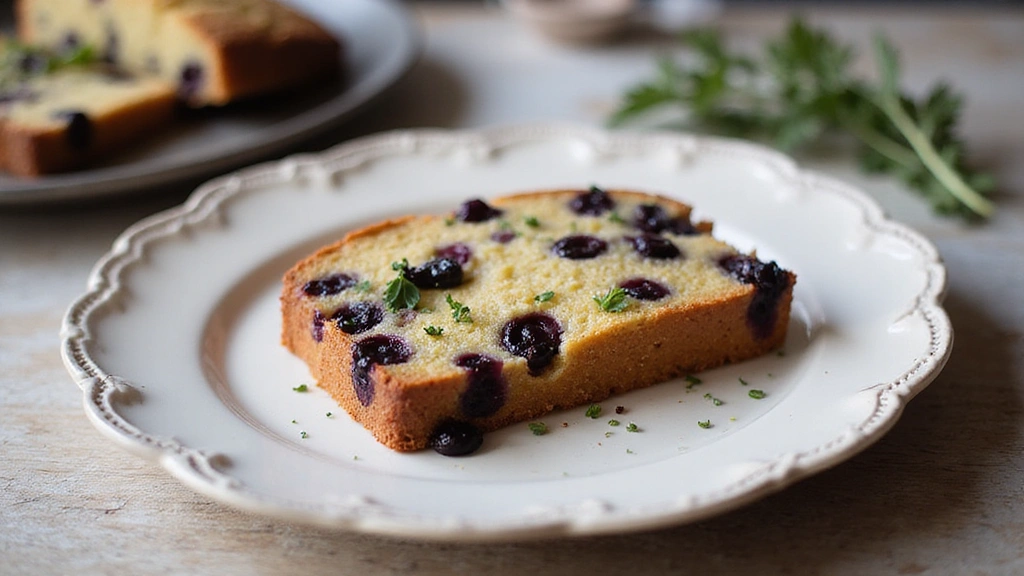
This easy homemade blueberry bread recipe brings the delightful flavors of summer into your kitchen all year round.
The sweet, juicy blueberries burst with flavor while the soft, moist bread provides the perfect base.
I first baked this recipe on a sunny morning, inspired by the local farmer’s market overflowing with fresh blueberries.
Whether enjoyed for breakfast, as a snack, or dessert, this blueberry bread is sure to become a family favorite.
The History and Cultural Significance
• Blueberry Bread traces its origins to North America, where blueberries were first cultivated by Native Americans.
• The dish evolved over decades as home bakers began incorporating blueberries into various baked goods, eventually leading to the emergence of this beloved bread recipe.
• In many families, this dish traditionally appears at summer gatherings and picnics, symbolizing the joy of the harvest season.
• While many variations exist across different regions, the authentic version maintains the use of fresh blueberries that set it apart from imitations.
Recommended Products

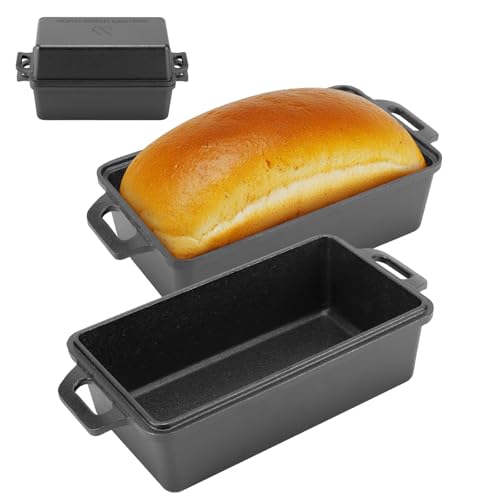
SET OF TWO 8 x 4-INCH MEDIUM LOAF PANS: Great for baking meatloaf, sweet or savory breads, thick cakes or brownies, smaller portions of lasagnas or casseroles, and more for the perfect bake every time

Premium Carbon Steel & Advanced Non-Stick Coating: Engineered with heavy-gauge, commercial-grade carbon steel, our mini loaf pans ensure exceptional durability and superior, even heat distribution for perfectly baked goods every time. The industrial-strength, reinforced non-stick coating is PFOA, BPA, and PTFE-free, guaranteeing effortless food release and a hassle-free cleanup. Unlike flimsy alternatives, this pan resists warping under high temperatures (oven-safe up to 450°F/232°C).

Set of 2 rectangular-shaped loaf pans; ideal for baking bread, pound cake, meatloaf, and more

Recipe Overview
Recommended Products

Recommended to wash before consuming

Recommended to wash before consuming

Dried Blueberries - Our 1lb. bag of Sunrise Fresh dried blueberries is packed with sweet and tangy flavor, perfect for snacking or adding to your favorite recipes.
Nutritional Information (per serving)
Recommended Products
![One in a Mill Instant Dry Yeast | 1.1 LB (Pack Of 1) [IMPROVED] Fast Acting Self Rising Yeast for Baking Bread, Cake, Pizza Dough Crust | Kosher | Quick Rapid Rise Leavening Agent for Pastries](https://m.media-amazon.com/images/I/410rlbBZAvL._SL500_.jpg)
A YEAST THAT WILL RISE TO THE OCCASION: Enjoy baking your favorite breads, doughs, bagels, cakes, and croissants in just half the time! Our rapid rise yeast is carefully milled into the finest granules, enabling it to be easily mixed right into the ingredients without the needing for pre-hydration.

Not only is this bread light and fluffy, it has a better flavor than most commerical loaves. When you want a light, moist wheat bread, this is your bread mix.


Ingredients
Recommended Products
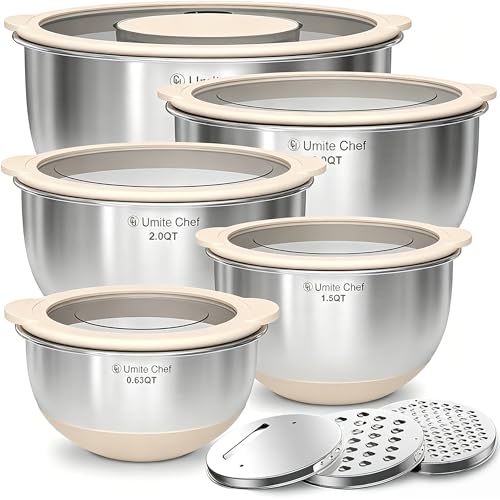
Warp-Proof Hybrid Lid: TPR Seal + Crystal AS: No more warped lids after freezer use! This mixing bowls set with TPR-AS fusion lid stays perfectly flat forever – flexible TPR sealing edge grips bowl rims tightly, while rigid AS plastic resists bending/cracking. Creates 100% leakproof seal for liquid foods like soups and dressings. Unlike flimsy traditional lids that deform in cold storage, ours withstands daily dishwasher cycles(under 140°F) and freezers without losing shape. Never struggle to snap lids on again!
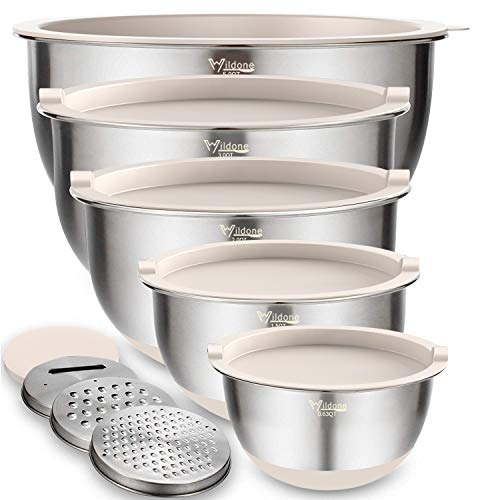
ALL INCLUSIVE: Wildone mixing bowls set contains 5 piece stainless steel mixing bowls 5, 3, 2, 1.5, 0.63 QT, which allows to measure, mix, pour, and serve food all in one kitchen tool! They come with BPA free lids, 3 grater attachments, silicone non-slip bottoms and measurement marks

3GRATER ATTACHMENTS: This bowl set comes with 3 different grater attachments (slicing/grating/shredding) just shred or slice right into the bowl! without making a mess and eliminating the need for a cutting board to clean. 4qt had a removable lid inside the main lid, for adding contents or pairing it with your blender without removing the entire lid to prevent splash. For each cook enthusiast, this is a must in a kitchen! All necessary tools for cutting are very handy, easy to keep things clean around you


Essential Equipment Guide
Mixing Bowl: A large mixing bowl is essential for combining your ingredients thoroughly, ensuring even distribution of flavors. Look for a sturdy, non-slip base to prevent spills while mixing.
Loaf Pan: A quality loaf pan ensures even baking and prevents sticking. Opt for a metal pan for even heat distribution, or a silicone mold for easy removal.
Cooling Rack: A cooling rack allows air to circulate around the bread, preventing sogginess. Choose one with a sturdy design that can hold the weight of the bread.
Recommended Products

Heavy Duty Stainless Steel, Sturdy Construction - Engineered for supreme durability and rust/warp resistance. Provides optimum support and prevents baked goods from slipping through the rack.

【Collapsible 4 tier Cooling Rack】 Features a sturdy construction with a collapsible & adjustable design. Geesta wire cooling rack works works well for everything, from small items like cupcakes and muffins to large pies and cakes of significant weight.

100% Solid 304 (18/8) Stainless Steel Construction - No metal platings or coatings that can chip or scratch and transfer toxins/chemicals to your food the way non-stick racks can. They also won’t rust, warp or bend.


Preparation Methods
Mixing Dry Ingredients: Begin by sifting together the flour, baking powder, baking soda, and salt. This ensures that your dry ingredients are well combined and helps to aerate the flour, resulting in a lighter bread. Use a whisk to combine them evenly.
Folding in Blueberries: When adding the blueberries to the batter, gently fold them in to prevent them from breaking. This technique helps maintain the shape of the berries and keeps the batter from turning purple. Aim for an even distribution without overmixing.
Checking Doneness: To check if the bread is done, use a toothpick inserted into the center. It should come out clean or with a few moist crumbs. This step is crucial to avoid underbaking, which can lead to a gooey texture.
Recommended Products
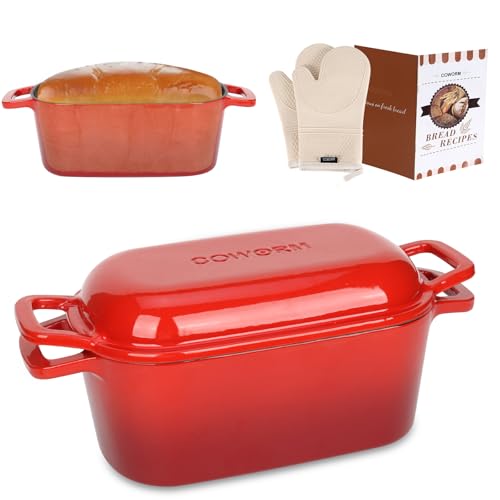
Crispy Crust: The sourdough bread pan features a tight-fitting lid that traps steam, ensuring even heat distribution and retention for a perfectly crispy crust and soft interior in sourdough and homemade sandwich loaves
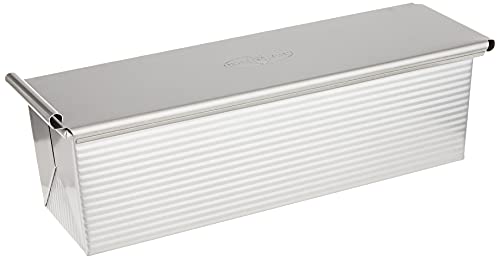
USA Pan baking pans feature Americoat which promotes quick release of baked-goods plus fast and easy clean up; wash with hot water, mild soap and gentle scrub brush or sponge

High-Quality Bakeware: A bakeware solution that’s beautiful, durable and easy to clean


Step 1: Prepare Ingredients
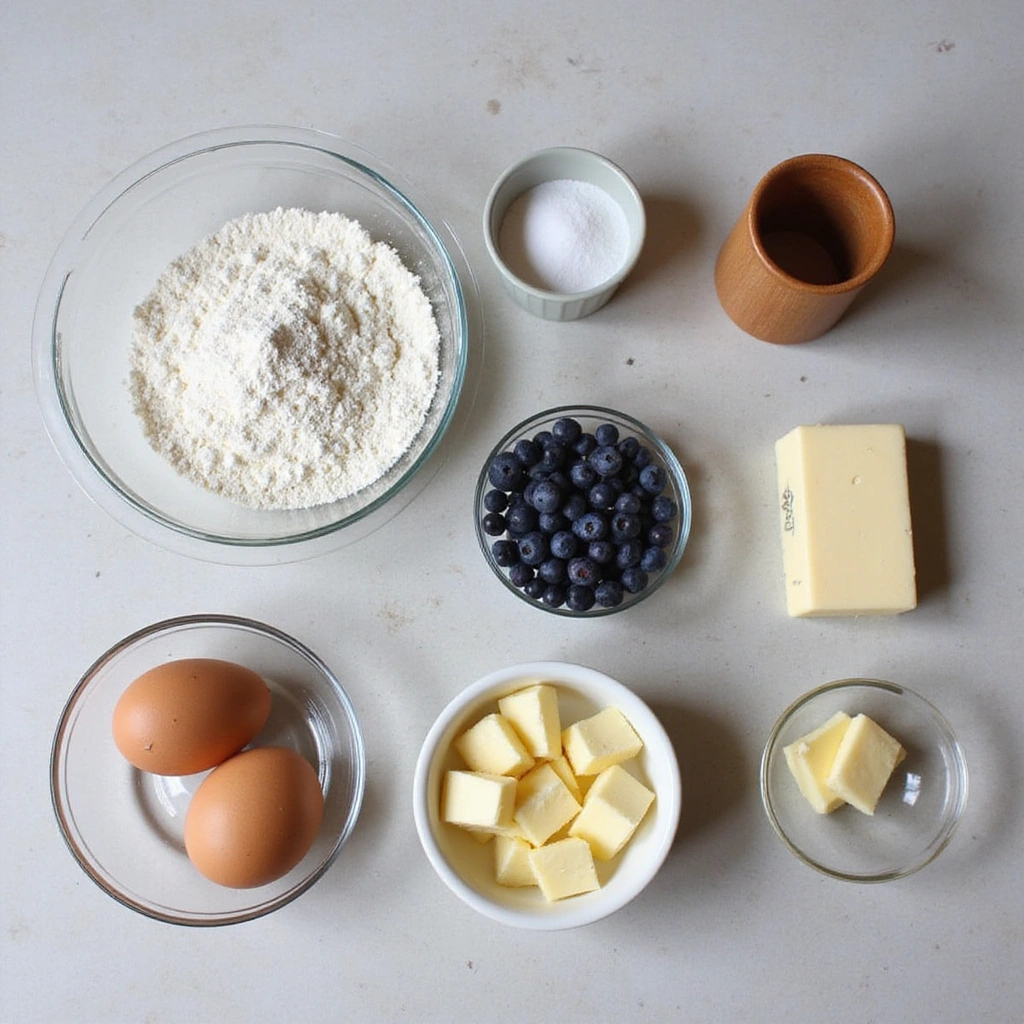
Gather all the ingredients on your countertop.
Make sure everything is at room temperature for best results.
Measure out each ingredient carefully to ensure accuracy.
This preparation will make the mixing process smoother.
Recommended Products


ENGLISH SCONE BAKING MIX: Sticky Fingers Bakeries shares the delicious, welcoming taste of homemade baked scones and brings it straight to your kitchen. Enjoy traditional fresh scones made in the modern, convenient way.
Step 2: Preheat the Oven
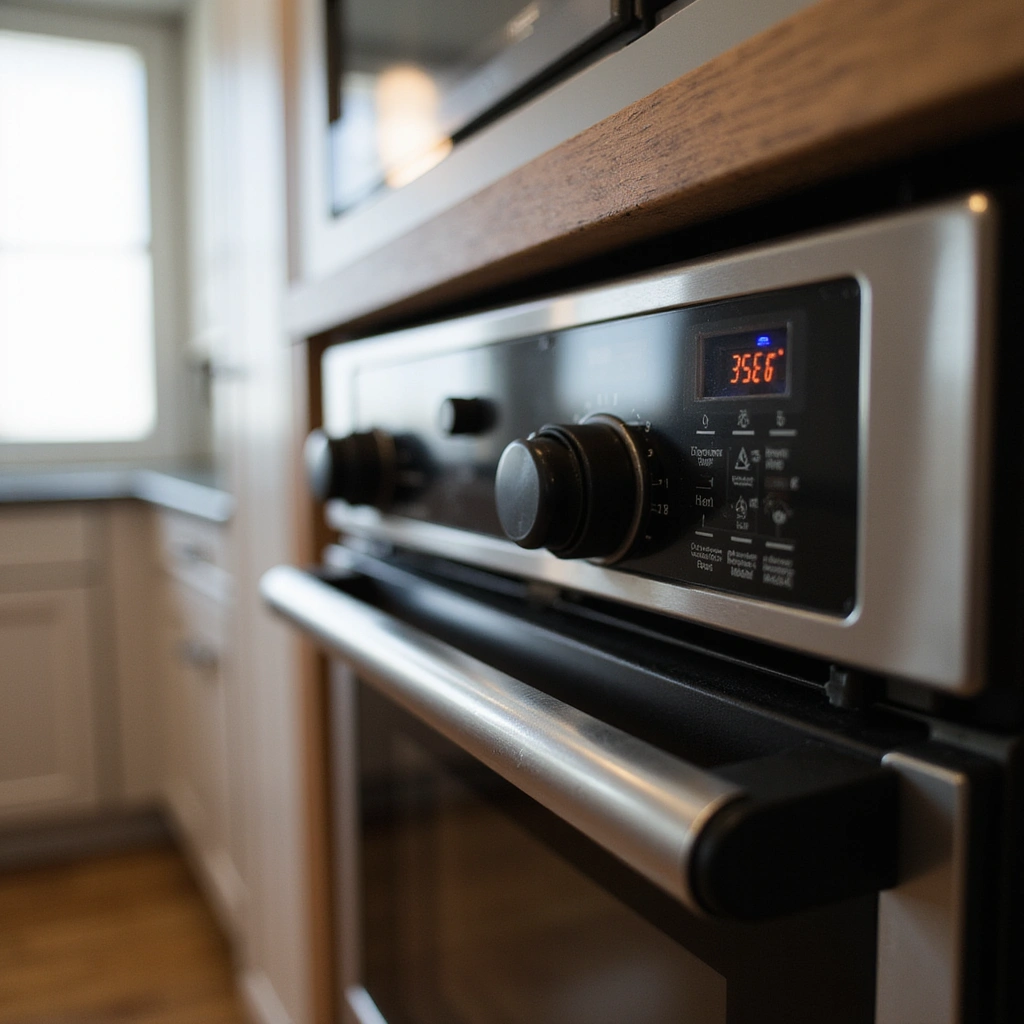
Preheat your oven to 350°F (175°C).
This step is essential for even baking and achieving the right texture.
Allow the oven to fully preheat before placing the bread inside.
Use an oven thermometer to ensure the temperature is accurate.
Recommended Products


IRISH SODA BREAD WITHOUT THE GRANDMOTHER LECTURE — Traditional Irish soda bread has four ingredients and rises with baking soda, not yeast. The catch: it's easy to ruin if you don't know the proportions.

Includes 1.25 lbs. of Buttermilk powder in Reusable container for easy storage. Enhance your baked goods with added richness with this Premium buttermilk powder for baking! Made in USA.
Step 3: Mix Dry Ingredients
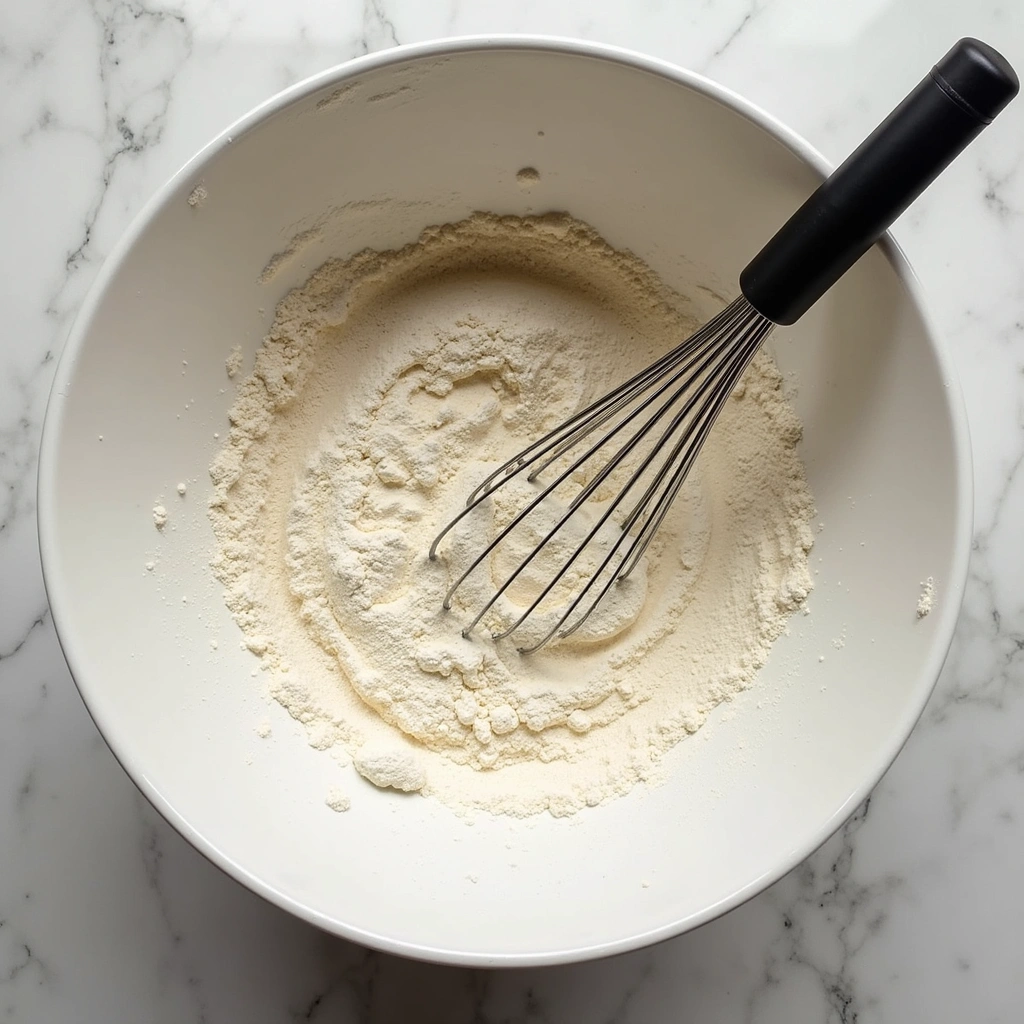
In a large mixing bowl, combine the flour, baking powder, baking soda, and salt.
Use a whisk to mix the dry ingredients thoroughly.
This ensures even distribution and helps to aerate the flour.
Set the bowl aside while you prepare the wet ingredients.
Recommended Products

Comprehensive Size Variety: Elevate your culinary skills with our complete set of 5 stainless steel mixing bowls with lids set, ranging in size from 1.5 to 5 quarts. Whatever the task you'll find the perfect size for every task.

3 GRATER ATTACHMENTS: This bowl set comes with 3 different grater attachments (slicing/grating/shredding) just shred or slice right into the bowl without making a mess and eliminating the need for a cutting board to clean. 4qt had a removable lid inside the main lid, for adding contents or pairing it with your blender without removing the entire lid to prevent splash. All necessary tools for cutting are very handy, easy to keep things clean around you

The set includes sizes 5-cup, 7-cup and 10-cup


Step 4: Combine Wet Ingredients
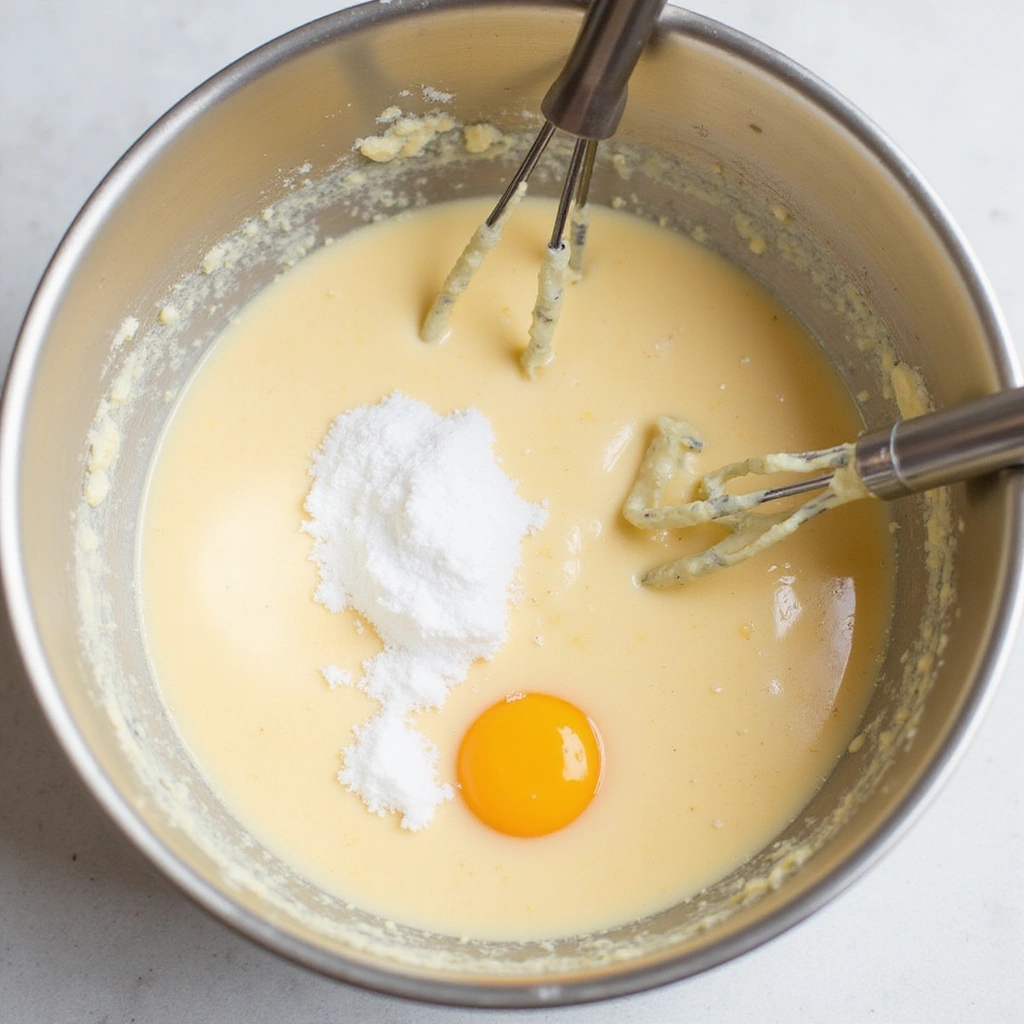
In another bowl, whisk together the sugar and melted butter until well combined.
Add the eggs and buttermilk, mixing until smooth.
This mixture should be creamy and homogenous.
Make sure the butter is not too hot to avoid cooking the eggs.
Recommended Products
Oven Safe and Easy to Clean: The solid stainless steel construction of our wire rack set makes them suitable for cooking and cooling. Simply pop them in the dishwasher when you're all done

【Strong Stainless Steel Build】Constructed from sturdy, heat-resistant food-grade safe metal, it maintains its original shape when cooling hot food. Designed specifically for carrying heavy loads, it resists bending and deformation

100% Solid 304 (18/8) Stainless Steel Construction - No metal platings or coatings that can chip or scratch and transfer toxins/chemicals to your food the way non-stick racks can. They also won’t rust, warp or bend.


Step 5: Combine Wet and Dry Ingredients
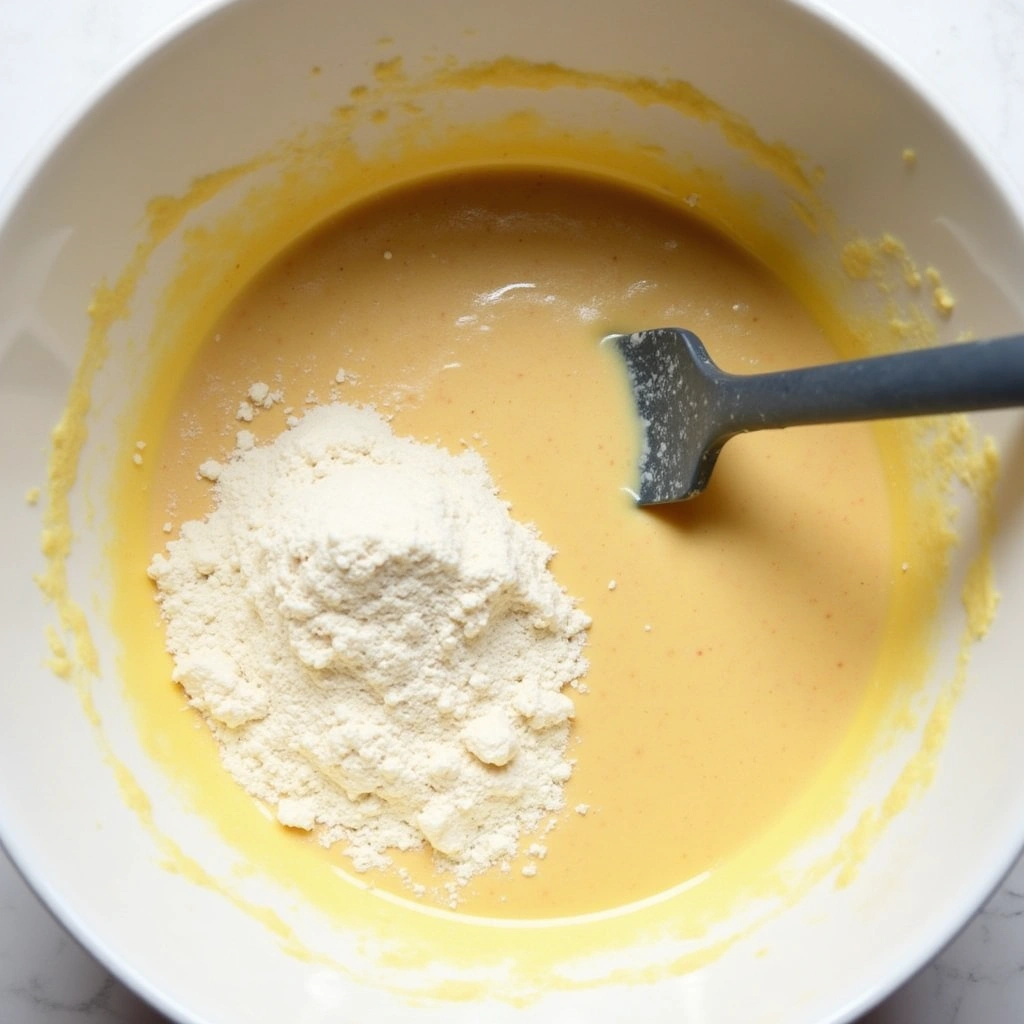
Gradually add the wet ingredients into the dry ingredients bowl.
Stir gently until just combined; do not overmix.
A few lumps are okay as overmixing can lead to a dense bread.
This is crucial for achieving a light and fluffy texture.
Step 6: Fold in Blueberries
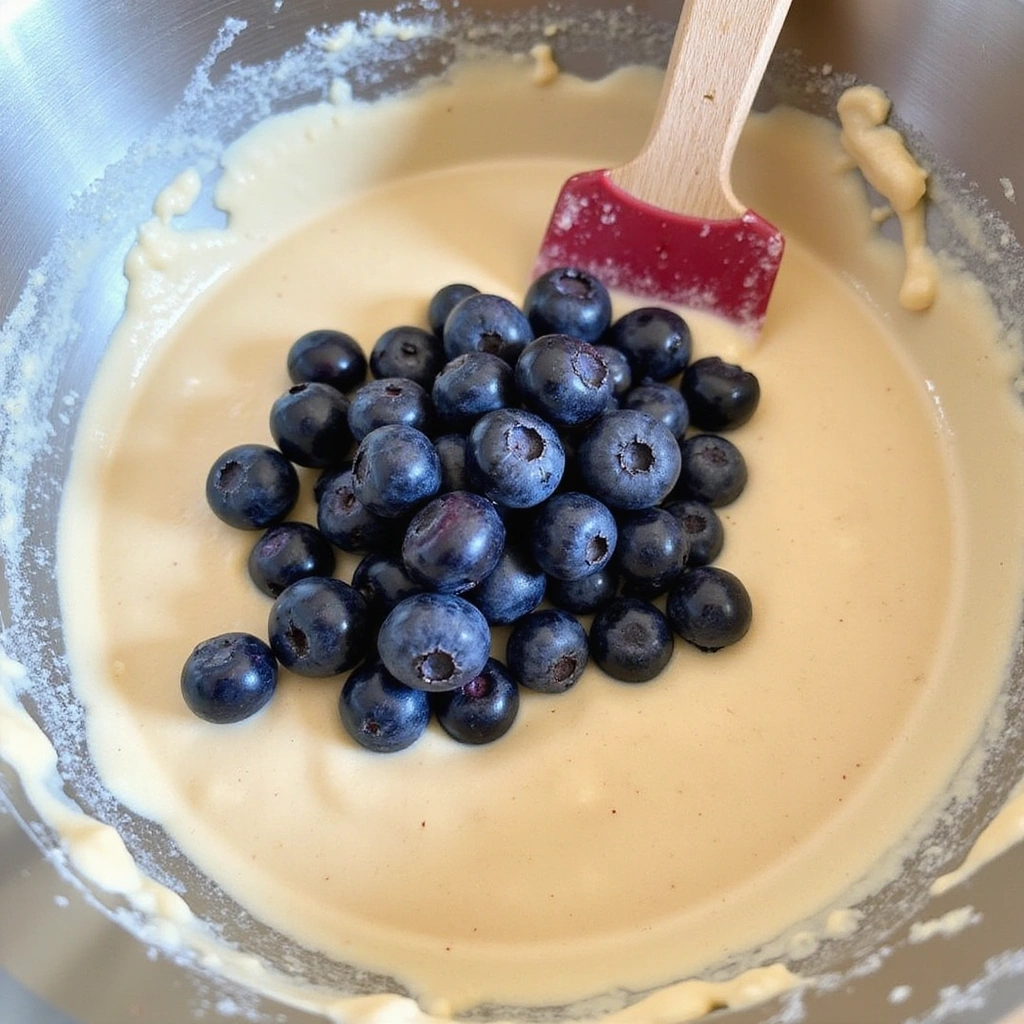
Gently fold in the fresh blueberries using a spatula.
Be careful not to break the berries to keep the batter from turning purple.
Ensure the blueberries are evenly distributed throughout the batter.
This step adds flavor and visual appeal to your bread.


Step 7: Pour into Loaf Pan
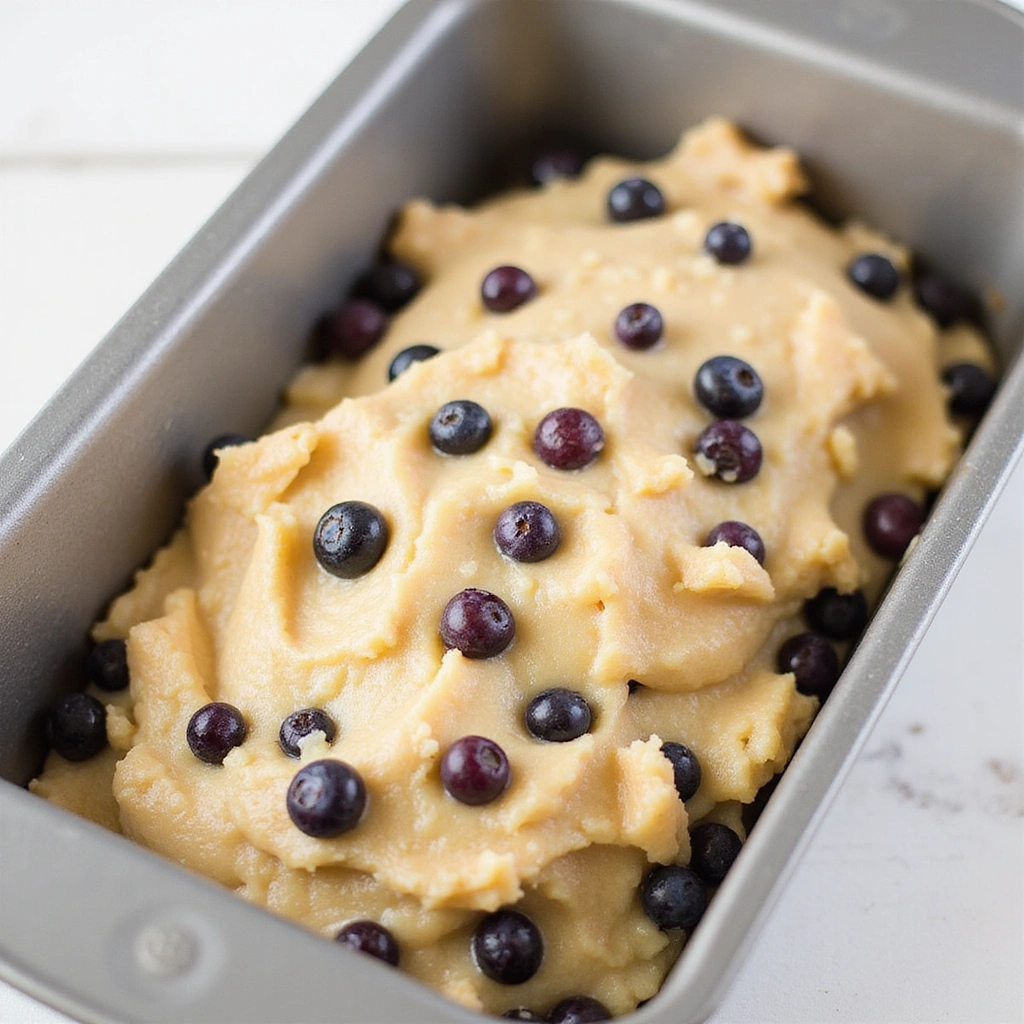
Pour the batter into a greased loaf pan, spreading it evenly.
Make sure to leave a little space at the top as the bread will rise.
Smooth the top with a spatula for an even bake.
This will help the bread rise evenly without creating peaks.


Step 8: Bake the Bread
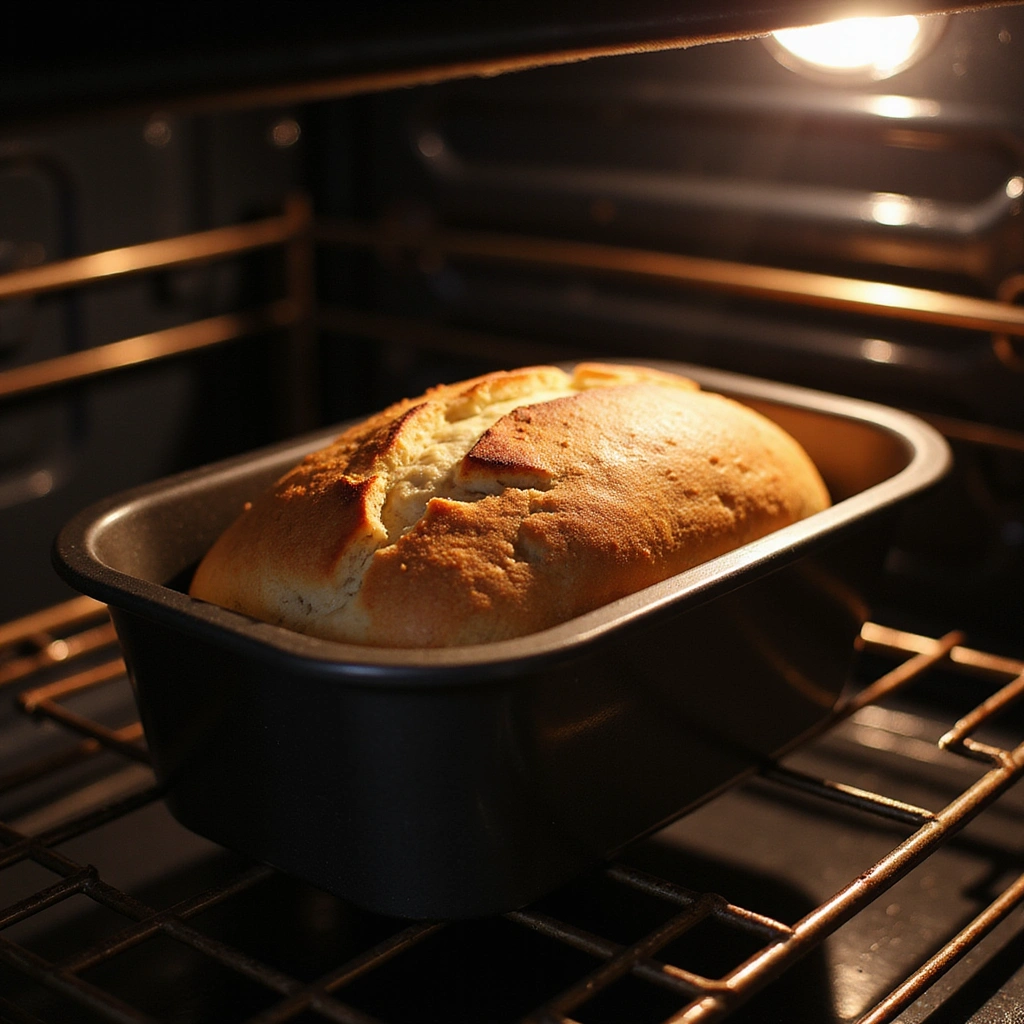
Place the loaf pan in the preheated oven.
Bake for approximately 50 minutes or until golden brown.
Check for doneness with a toothpick inserted in the center.
The bread is ready when the toothpick comes out clean or with a few moist crumbs.
Step 9: Cool the Bread
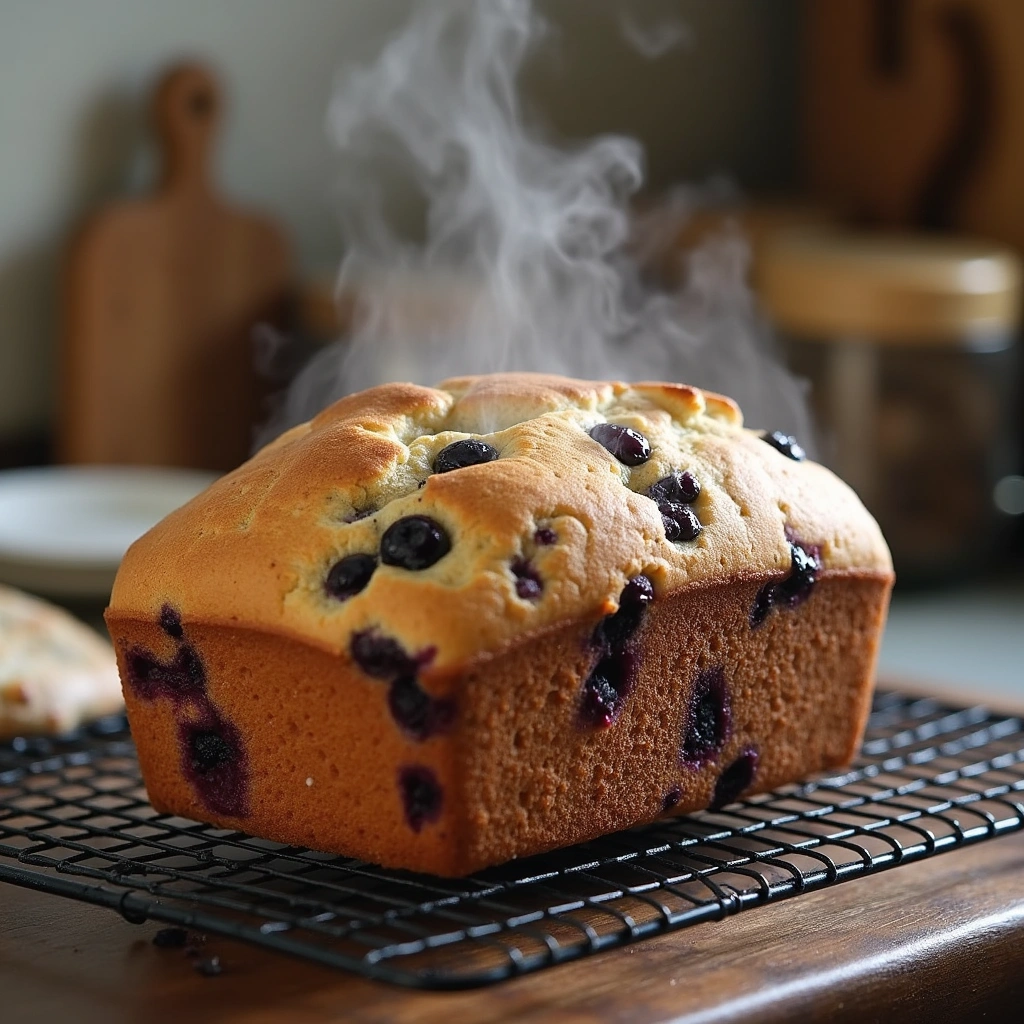
Once baked, remove the bread from the oven and let it cool in the pan for 10 minutes.
Then transfer it to a cooling rack to cool completely.
This prevents sogginess by allowing airflow around the bread.
Make sure it’s completely cool before slicing to maintain its texture.
Step 10: Slice and Serve
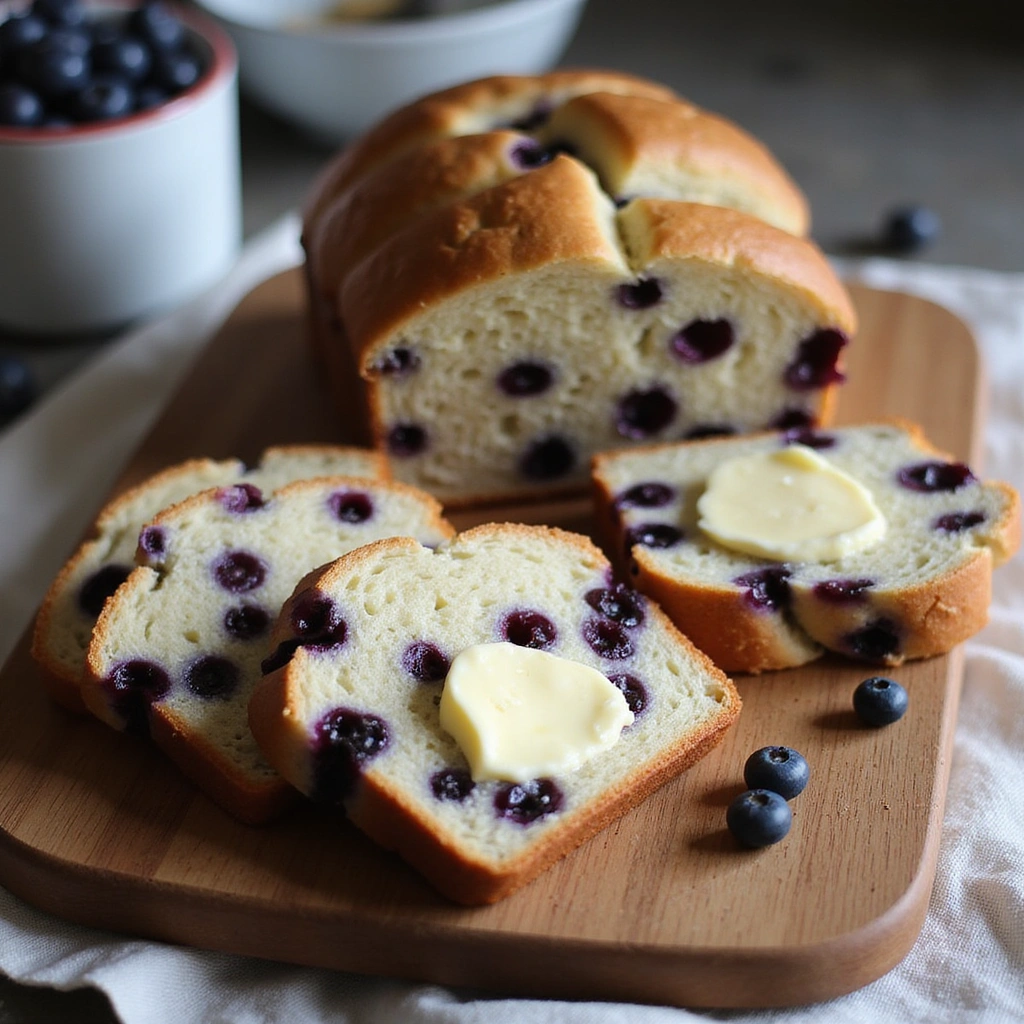
After the bread has cooled, slice it into even pieces using a serrated knife.
Serve plain or with a spread of butter or cream cheese.
This bread can be enjoyed warm or at room temperature.
Consider pairing it with coffee or tea for a delightful experience.



Critical Timing and Temperature Guide
Baking Time: Bake the bread for 50 minutes at 350°F (175°C). It should be golden brown and spring back when pressed lightly in the center. Underbaking can lead to a gummy texture.
Cooling Time: Allow the bread to cool in the pan for 10 minutes, then transfer to a rack for at least 30 minutes. Skipping this can result in a soggy bottom.
Doneness Check: Use a toothpick to check for doneness. It should come out clean or with a few moist crumbs, indicating the bread is ready without being overbaked.
Pro Tips for Blueberry Bread
• Ingredient Selection: Choose fresh, ripe blueberries for the best flavor, avoiding any that appear mushy or overripe.
• Preparation Secret: Let your eggs and buttermilk come to room temperature for a smoother batter.
• Temperature Management: Ensure your oven is fully preheated to avoid uneven baking.
• Texture Enhancement: Consider adding a tablespoon of lemon zest for a bright flavor and added moisture.
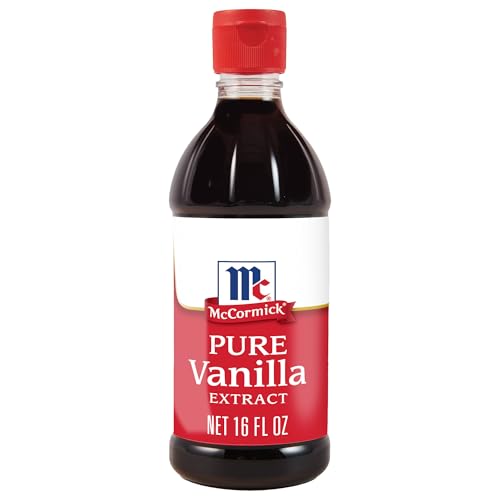
• Flavor Layering: Add a splash of vanilla extract to enhance the overall sweetness and aroma.
• Make-Ahead Strategies: Prepare the batter the night before, store it in the fridge, and bake fresh in the morning for a delightful breakfast.
• Restaurant-Quality Finishing Touches: Dust the cooled bread with powdered sugar or serve with a side of whipped cream for an elegant touch.
• Equipment Optimization: Use a non-stick loaf pan for easy release and cleanup.


Troubleshooting Common Issues
• Texture Too Dense: This can occur from overmixing the batter. To fix this, mix until just combined and avoid stirring too vigorously.
• Blueberries Sinking: If berries sink to the bottom, toss them in flour before folding them into the batter to help them stay suspended.
• Uneven Baking: Ensure your oven is calibrated correctly. Rotate the loaf halfway through baking for even browning.
• Too Sweet: If the bread is overly sweet, reduce the sugar by 1/4 cup the next time you bake.
• Burnt Edges: If edges burn before the center cooks, cover the bread with aluminum foil during the last 10 minutes of baking.
Variations and Regional Differences
• New England Style: This version includes cinnamon and nutmeg for a warm spice flavor, reflecting the region’s traditional baking style.
• Southern Blueberry Bread: Often made with pecans or walnuts, adding a nutty crunch to the soft bread.
• Vegan Blueberry Bread: Substitute eggs with flaxseed meal and buttermilk with almond milk for a plant-based approach.
• Modern Interpretations: Incorporate whole wheat flour or add lemon zest for a contemporary twist that enhances flavor and health benefits.
Food Science Behind the Recipe
• Gluten Development: The process of mixing flour with liquid activates gluten, giving the bread its structure. Overmixing can lead to a tough texture, while careful mixing leads to a tender crumb.
• Leavening Reactions: Baking powder and baking soda react with moisture and acid in the buttermilk, creating bubbles that help the bread rise. This reaction is crucial for achieving a light loaf.
• Moisture Retention: The addition of butter and buttermilk keeps the bread moist, preventing it from drying out during baking and storage.
Frequently Asked Questions
What’s the most common mistake people make when preparing blueberry bread? The most common mistake is overmixing the batter, which results in a dense loaf. Mix just until ingredients are combined.
Can I prepare components of this dish in advance? Yes, you can prepare the batter the night before and store it in the refrigerator, baking it fresh in the morning.
How do I adapt this recipe for dietary restrictions? For gluten-free options, substitute all-purpose flour with a gluten-free blend. Adjust liquid ratios as necessary.
What’s the best way to store and reheat leftovers? Store leftover bread in an airtight container at room temperature for up to 3 days. Reheat slices in a toaster or microwave.
Can I freeze this dish? Yes, blueberry bread freezes well. Wrap it tightly in plastic wrap and aluminum foil for up to 3 months. Thaw in the refrigerator before serving.
What wine or beverages pair best with this dish? A light-bodied white wine like Sauvignon Blanc or a refreshing iced tea complements the bread’s sweetness.
How can I scale this recipe up for a crowd? Double the ingredients and use two loaf pans, adjusting baking time as necessary.
What side dishes complement this recipe best? Serve with fresh fruit or yogurt for a balanced breakfast or brunch option.
How do professional chefs elevate this dish for restaurant service? Chefs often serve blueberry bread with artisanal jams or flavored butter for an elevated dining experience.
Serving and Presentation Guide
• Traditional Presentation: Slice the bread and arrange on a wooden board with a small dish of butter or cream cheese on the side, garnished with fresh blueberries.
• Modern Plating Ideas: Serve individual slices on white plates, drizzled with a blueberry reduction or accompanied by a scoop of vanilla ice cream.
• Accompaniment Suggestions: Pair with a light salad or fresh fruit to balance the sweetness of the bread.
• Special Occasion Presentation: For celebrations, serve the bread in a tiered cake stand with decorative fruits and flowers, creating an eye-catching centerpiece.
Conclusion
This easy homemade blueberry bread is a delightful treat that anyone can make.
With its delightful flavors and simple preparation, it’s sure to impress family and friends alike.
I hope you enjoy baking and sharing this delicious bread as much as I do.